Feeling unfulfilled could lead to riskier, heavier alcohol use
March 29, 2026 - 04:15

New research suggests that individuals who feel a sense of purpose and satisfaction in their daily lives are less likely to engage in risky alcohol consumption. A recent study indicates that meeting core psychological needs is strongly associated with a more balanced relationship with alcohol.
The investigation focused on three fundamental human needs: autonomy, or feeling in control of one's life; competence, the sense of effectiveness in daily activities; and relatedness, the feeling of being connected to others. Findings reveal that when these needs are consistently unmet, individuals report higher levels of feeling unfulfilled. This state of dissatisfaction, in turn, correlates with a tendency toward heavier and more hazardous drinking patterns as a potential coping mechanism.
Researchers explain that alcohol use can become a maladaptive strategy to manage the frustration stemming from these psychological deficits. The study underscores that overall well-being and mental health are significant factors in substance use behaviors. It highlights the importance of environments—whether in workplaces, schools, or communities—that foster personal growth, effectiveness, and social bonds. Cultivating such conditions may not only improve general life satisfaction but also serve as a protective factor against the development of problematic alcohol use.
MORE NEWS

November 16, 2026 - 01:13
A Good Deed Does Not Have to Be Selfless to MatterRecent research challenges the common belief that kindness must be entirely selfless to be meaningful. The study highlights that the motivations behind acts of kindness can vary significantly, and...
November 15, 2026 - 11:33
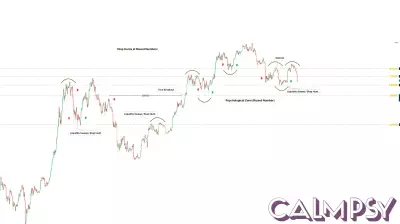
The Fascination with Round Numbers in Crypto TradingHave you ever noticed how prices in the crypto market often stall at round numbers like 50,000, 60,000, or 80,000? While newcomers might dismiss this as mere chance or basic math, seasoned traders...

November 14, 2026 - 22:03
The Lingering Impact of Humiliation on HappinessHumiliation can leave memories that are hard to shake. A new study suggests that people who have felt humiliated tend to be less happy, and that repetitive negative thinking may be part of the...

November 14, 2026 - 16:34
Doubts About Daily Tasks: The Psychology Behind Repeated CheckingDid I turn off the bathroom tap? You remember closing it, but you are not completely sure. This uncertainty can lead to a cycle of checking and rechecking everyday tasks like door locks, taps, and...