Can Food Improve Mood? UCSC Professor Explores Nutritional Psychology
June 24, 2026 - 09:55
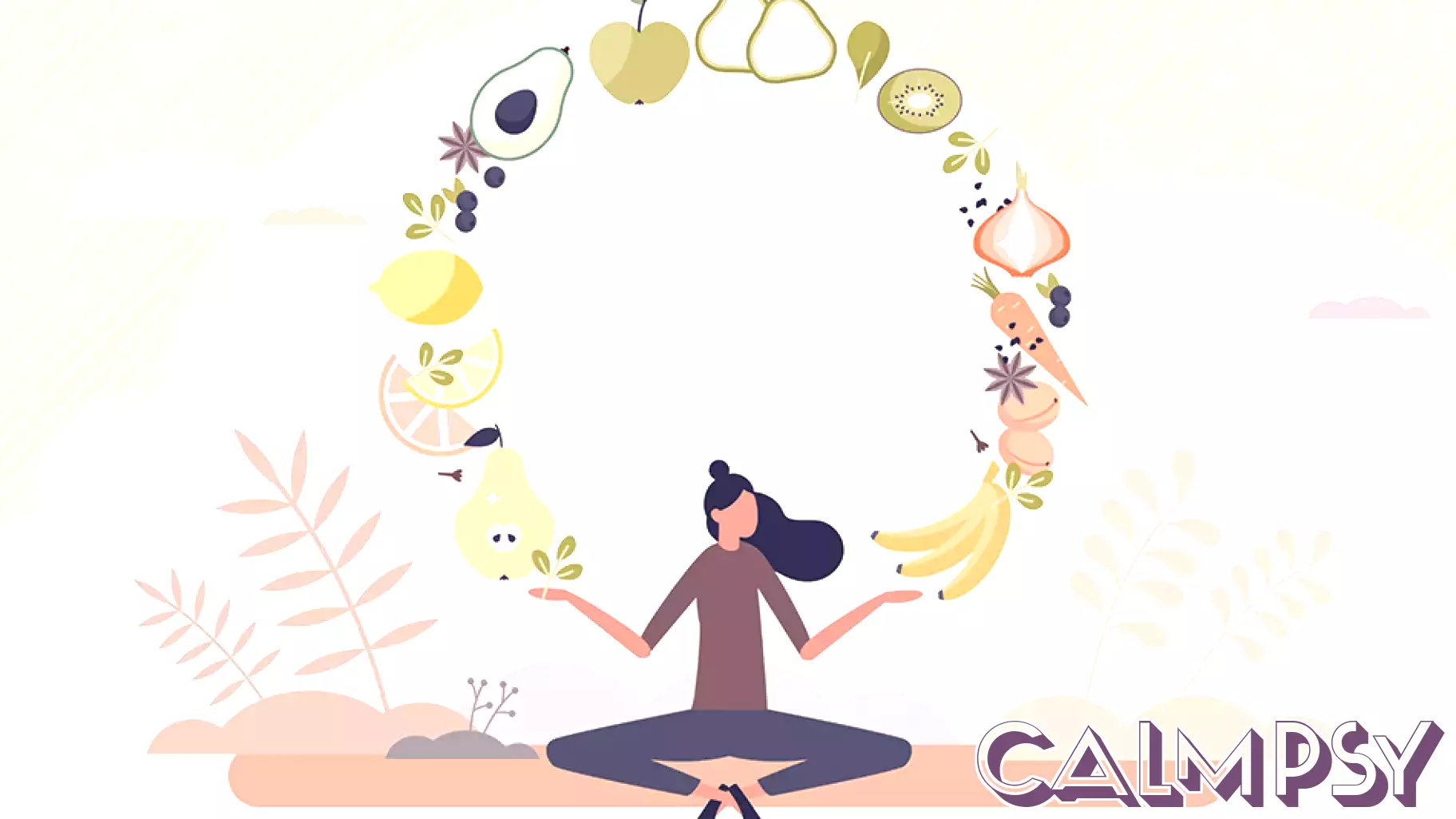
A University of California, Santa Cruz professor is digging into a question many people have wondered about: can the food you eat really change how you feel? Andrea Cook, a faculty member at UCSC, is working in the emerging field of nutritional psychology, which examines the direct links between diet and mental health.
Cook explains that the idea is not just about eating "healthy" in a general sense. It is about understanding how specific nutrients, gut bacteria, and dietary patterns influence brain chemistry, stress responses, and emotional regulation. For example, she points to research showing that diets high in processed foods and sugar can increase inflammation, which is linked to higher rates of depression and anxiety. On the other hand, foods rich in omega-3 fatty acids, fiber, and fermented ingredients may support a more stable mood.
The professor emphasizes that nutritional psychology does not replace therapy or medication. Instead, it offers an additional tool for people struggling with emotional well-being. She notes that many patients report feeling calmer and more focused after making targeted changes to what they eat, such as adding more leafy greens or reducing caffeine intake.
Critics of the field argue that the science is still young and that diet alone cannot fix complex mental health conditions. Cook agrees but says the evidence is strong enough to take seriously. She is currently working on studies that track how dietary shifts affect stress hormones over time. Her hope is that nutritional psychology will eventually become a standard part of mental health care, giving people more control over their own well-being through the choices they make at the dinner table.
MORE NEWS

September 22, 2026 - 01:11
AI, Consumer Psychology and the End of the 7-Year Boat DesignThe marine industry is facing a shift in how customers judge the pace of change. For decades, boat design followed a slow rhythm. A hull shape or interior layout could stay competitive for seven...

September 21, 2026 - 00:20
8 Signs Your Child Is Growing Into a Resilient, Emotionally Mature PersonA psychologist has outlined eight signs that suggest a child is developing resilience and emotional maturity. According to Lindsay C. Gibson, these traits shape how children grow into adults. `They...

September 20, 2026 - 19:41
Why Silent Hill 2 Remains the Peak of Psychological HorrorSilent Hill 2 turned guilt into a whole town. Here is why Team Silent`s 2001 classic is still the greatest psychological horror game ever made, remake included. Most horror games try to scare you...

September 20, 2026 - 04:34
A Simple Morning and Evening Habit That Can Lead to Happier DaysA psychologist has highlighted a straightforward daily routine that may help people experience more satisfying and joyful days. The habit centers on two brief moments of reflection, one in the...