BC professor connects travel experiences to psychology and learning in Spring Colloquium
June 25, 2026 - 21:21
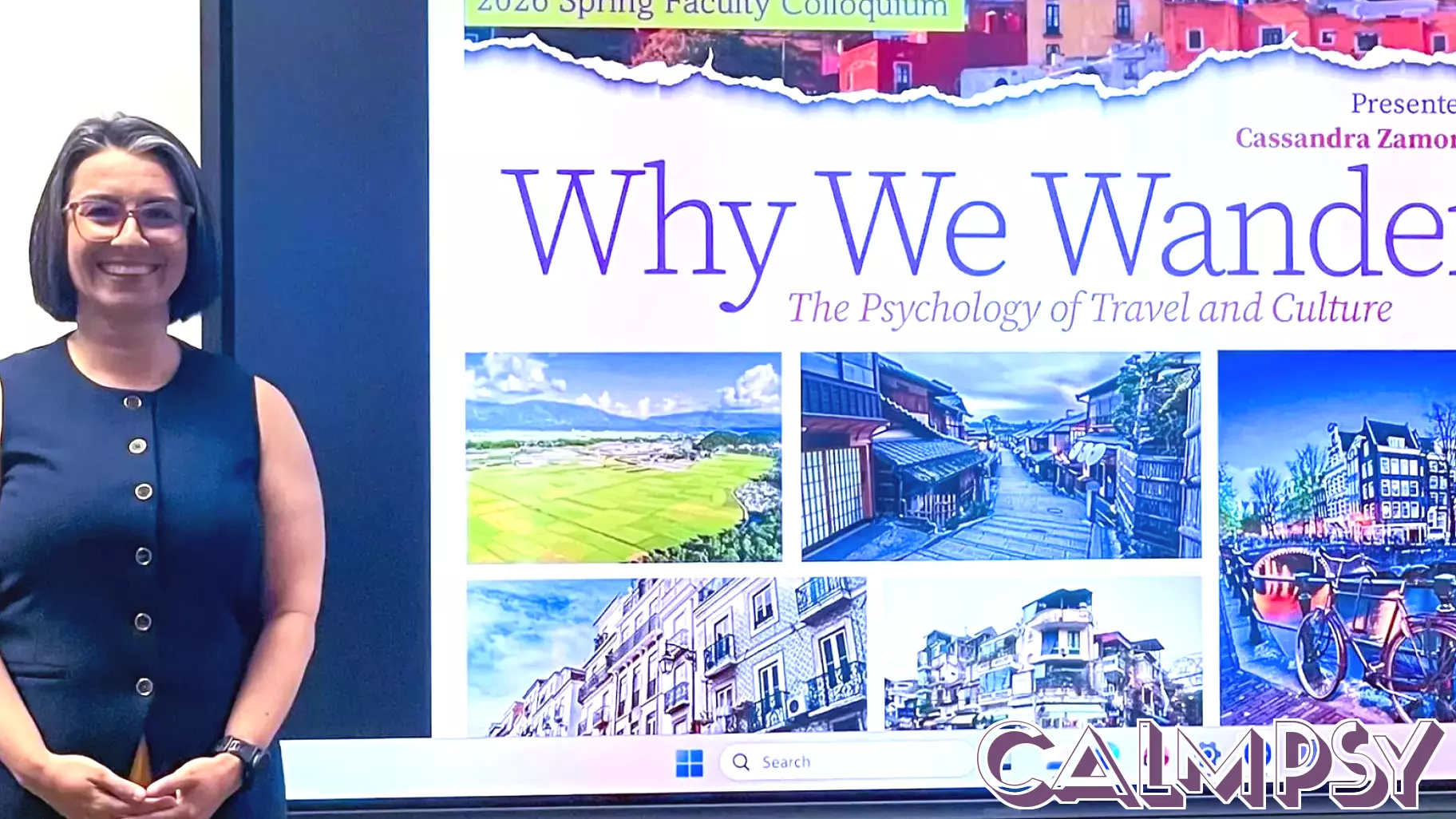
Cassandra Zamorález, a psychology professor at Brazosport College, took the stage at the 2026 Spring Faculty Colloquium to explore the deep connection between travel and the human mind. Her session, titled "Why We Wander: The Psychology of Travel and Culture," examined how stepping into unfamiliar environments can reshape the way people think and learn.
Zamorález argued that travel is more than a leisure activity. It forces individuals out of their cognitive comfort zones, challenging assumptions and building adaptability. She pointed to research showing that exposure to different cultures can increase creativity and improve problem-solving skills. The brain, she explained, thrives on novelty. When people navigate foreign streets, try new foods, or learn a few words of a different language, they are actively rewiring neural pathways.
The presentation also touched on the emotional side of wandering. Zamorález discussed how travel can reduce stress and build resilience, even when things go wrong. Missed flights or language barriers, she said, teach patience and flexibility. These experiences, she noted, are a form of experiential learning that no textbook can fully replicate.
Faculty members in the audience responded with questions about how to bring these ideas into the classroom. Zamorález suggested that even small acts of cultural exploration, like studying abroad or engaging with international students on campus, can have a lasting impact on a student's personal and academic growth. The talk ended with a call to see travel not as an escape, but as a tool for deeper understanding.
MORE NEWS

September 24, 2026 - 11:16
Psychology says people who arrive three hours early at the airport are not just 'early birds', there is a surprising childhood reason behind itMost travelers know at least one person who insists on reaching the airport hours before a flight. They sit calmly near the gate while everyone else rushes through security. This behavior often...

September 23, 2026 - 21:28
Psychology says people who cancel plans at the last minute may be fighting a battle no one else can seeWhen someone makes dinner plans on Monday for Friday night, Friday still feels comfortably far away. By the time the day actually comes around, the plan has to compete with everything that wasn`t...

September 23, 2026 - 00:55
Antagonistic narcissism is linked to cold feelings toward psychologistsPeople who display high levels of antagonistic narcissism tend to hold psychologists and psychiatrists in low regard, according to new research. The findings suggest that individuals with this...
September 22, 2026 - 19:43
Roanoke makes list of best psychology programs in U.S. News & World ReportThe psychology program at Roanoke College has secured a place among the top programs in the country, according to the latest rankings released by U.S. News & World Report. This national recognition...