Analyzing Bitcoin's Recent 5% Decline: Insights into Investor Behavior
January 10, 2025 - 13:20
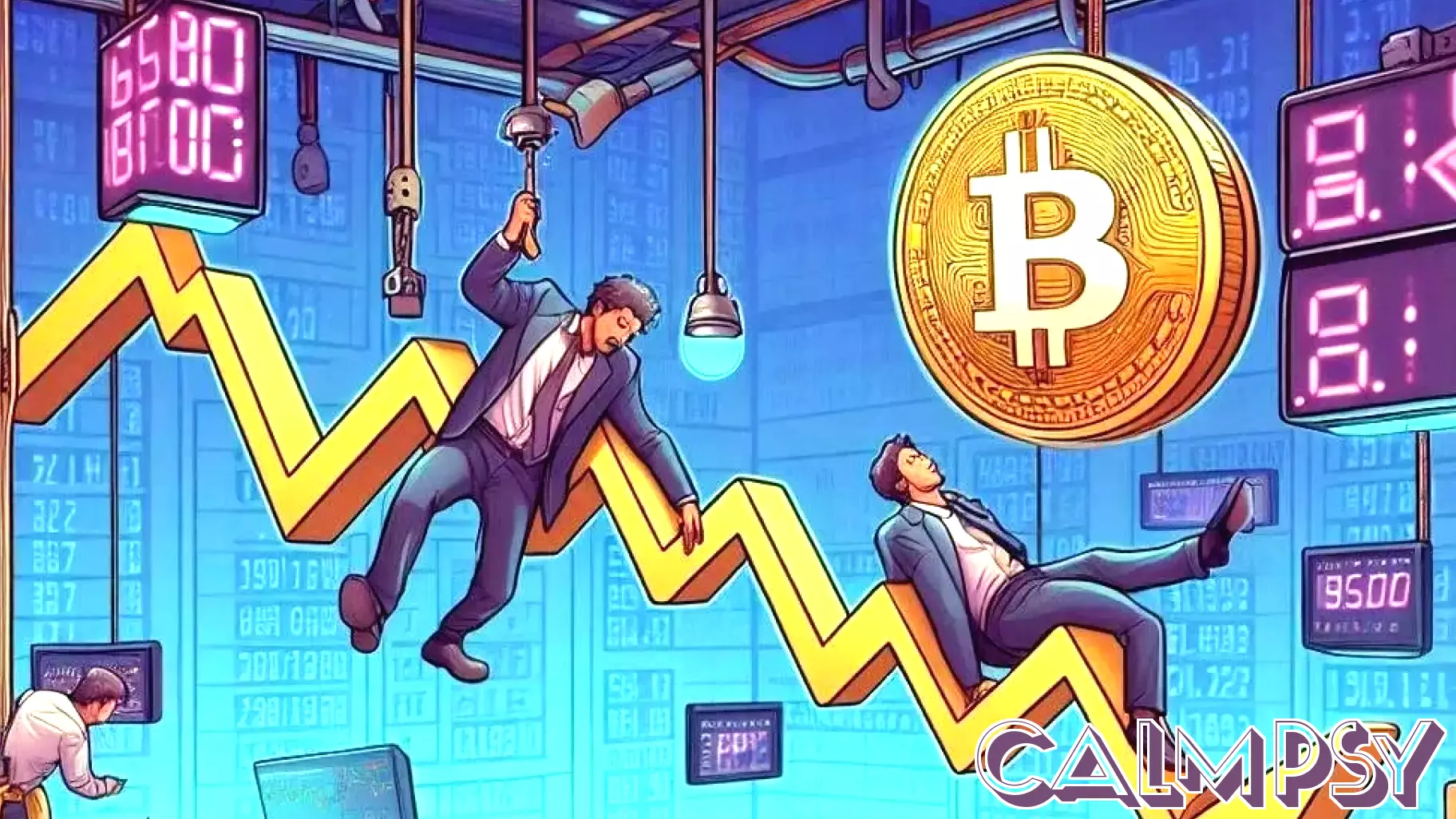
Bitcoin's recent drop of 5%, falling to $95,000, has left many investors scratching their heads. This isn’t just another routine market shakeout where weak hands are flushed out. Instead, it reflects a deeper psychological interplay among retail investors and the broader market sentiment.
As Bitcoin approached the $100,000 mark, enthusiasm surged, leading many to believe that the cryptocurrency was on the verge of a new all-time high. However, the sudden decline has triggered a wave of panic selling, with many retail investors fearing further losses. This reaction underscores the volatility inherent in cryptocurrency markets, where sentiment can shift rapidly based on news, social media trends, and market speculation.
Analysts suggest that such dips often serve as a reality check for investors who may have become overly optimistic. Understanding this psychological aspect is crucial for navigating the often turbulent waters of cryptocurrency investment. As the market stabilizes, many are left wondering whether this dip is a temporary setback or a sign of more significant trends to come.
MORE NEWS

October 4, 2026 - 22:51
Why the Most Tender-Hearted People Go Completely Silent When You Hurt Them, According to PsychologyYou know that moment when someone you care about just disappears? Not physically, but emotionally. One second you were mid conversation, maybe mid argument, and now there is nothing. No yelling, no...

October 4, 2026 - 06:43
Why Some Children Restart Drawings Until They Look RightA child sits down with a sheet of paper and starts drawing. The first attempt does not look quite the way they imagined it. So they flip the page and begin again. Then again. To a parent watching...

October 3, 2026 - 20:42
Trump's 'stroke' pathways are now 'crossing the brain': psychologistA widely cited psychologist raised concerns on Friday evening about a series of unusual behaviors displayed by President Donald Trump. Dr. John Garrision pointed to what he described as strange and...

October 3, 2026 - 09:31
Psychology says children who turn household objects into toys may have stronger imaginations than parents realiseA banana held to the ear. A saucepan worn as a helmet. A cardboard box turned into a rocket ship. Children everywhere transform ordinary household objects into toys, and parents often brush it off...