A Journey of Discovery: Psychology Student Finds His Calling at UWA
December 17, 2025 - 01:40
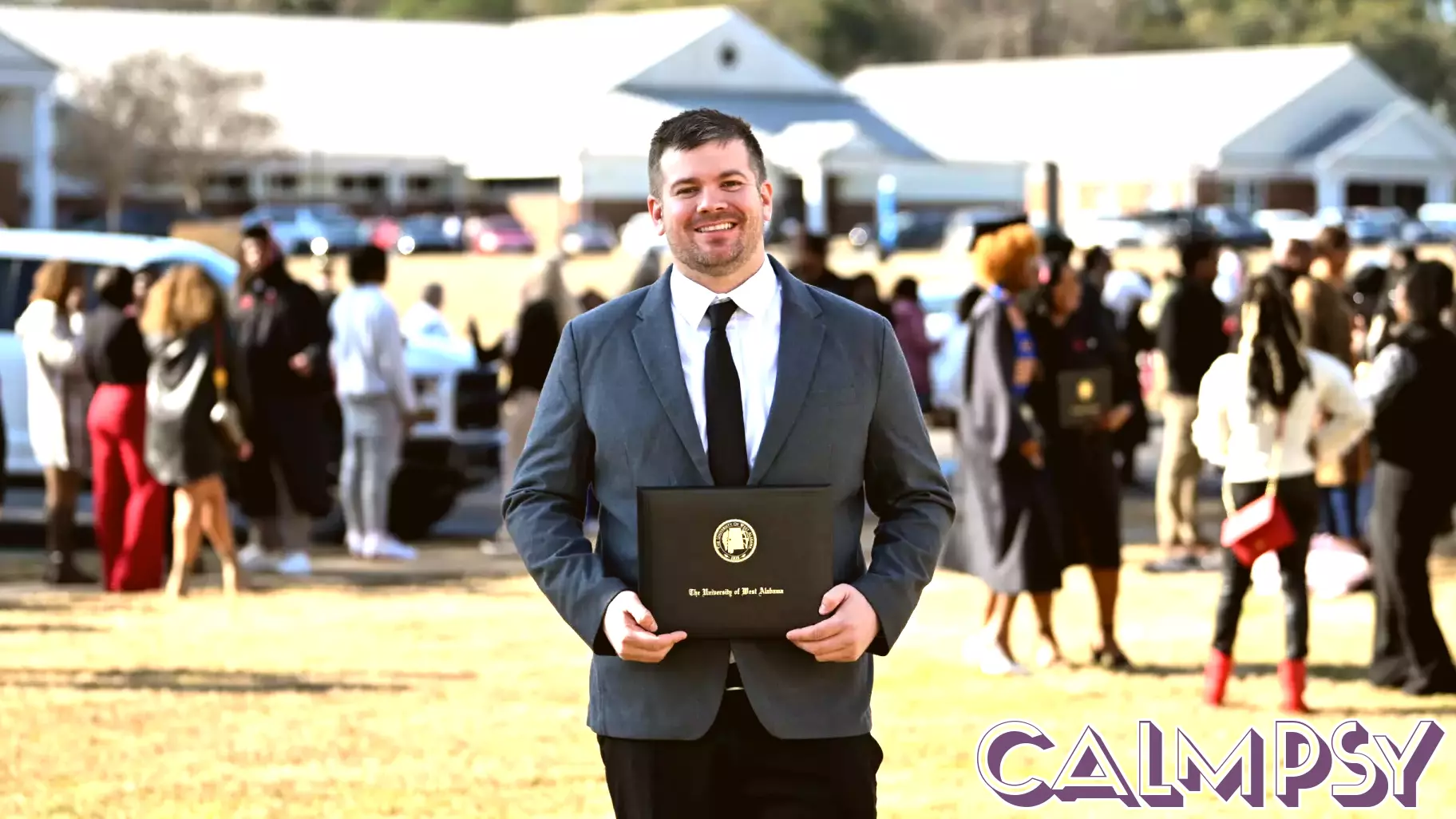
T.J. Runyon has long been captivated by the intricacies of human behavior. His academic journey has evolved significantly, transitioning from an initial focus on fossils at the University of West Alabama’s Black Belt Museum to pursuing a degree in psychology. As he approaches the Fall 2025 commencement exercises, Runyon reflects on the transformative experiences that have shaped his educational path.
Throughout his studies, Runyon has engaged deeply with various psychological theories and practices, enhancing his understanding of the human mind. His passion for helping others and exploring the complexities of mental health has driven him to excel in his coursework and research. As he prepares to graduate, he is eager to apply his knowledge in real-world settings, aiming to make a positive impact in the field of psychology.
Runyon's journey exemplifies the importance of following one's interests and discovering a true calling, inspiring fellow students to pursue their passions with determination.
MORE NEWS

September 18, 2026 - 22:57
Psychology says parents who continue their own parents’ traditions with their children may be passing downFamily rituals can give everyday life a reassuring sense of continuity. A birthday might always begin with the same special breakfast, Friday evenings may revolve around a favorite meal, and every...

September 18, 2026 - 04:47
Why You Shed Years the Moment You Walk Into Your Parents' HouseYou drive hours to visit family, step through the front door, and within minutes something shifts. Your posture changes. Your voice takes on an old cadence. You argue about chores, roll your eyes...

September 17, 2026 - 12:31
Revisiting Power and Cruelty: The Stanford Prison Experiment Under New ScrutinyIn 1971, a basement corridor at Stanford University became the stage for one of psychology`s most infamous studies. Researchers divided male students into two groups: guards and prisoners. Within...

September 16, 2026 - 22:21
Study Links Extreme Celebrity Obsession to Narcissism and Criminal ThinkingNew research into the psychology of celebrity worship has identified a clear dividing line between harmless fandom and genuinely troubling behavior. The study suggests that an intense,...