Chores or no chores? The economic psychology of giving kids pocket money
August 3, 2026 - 13:57
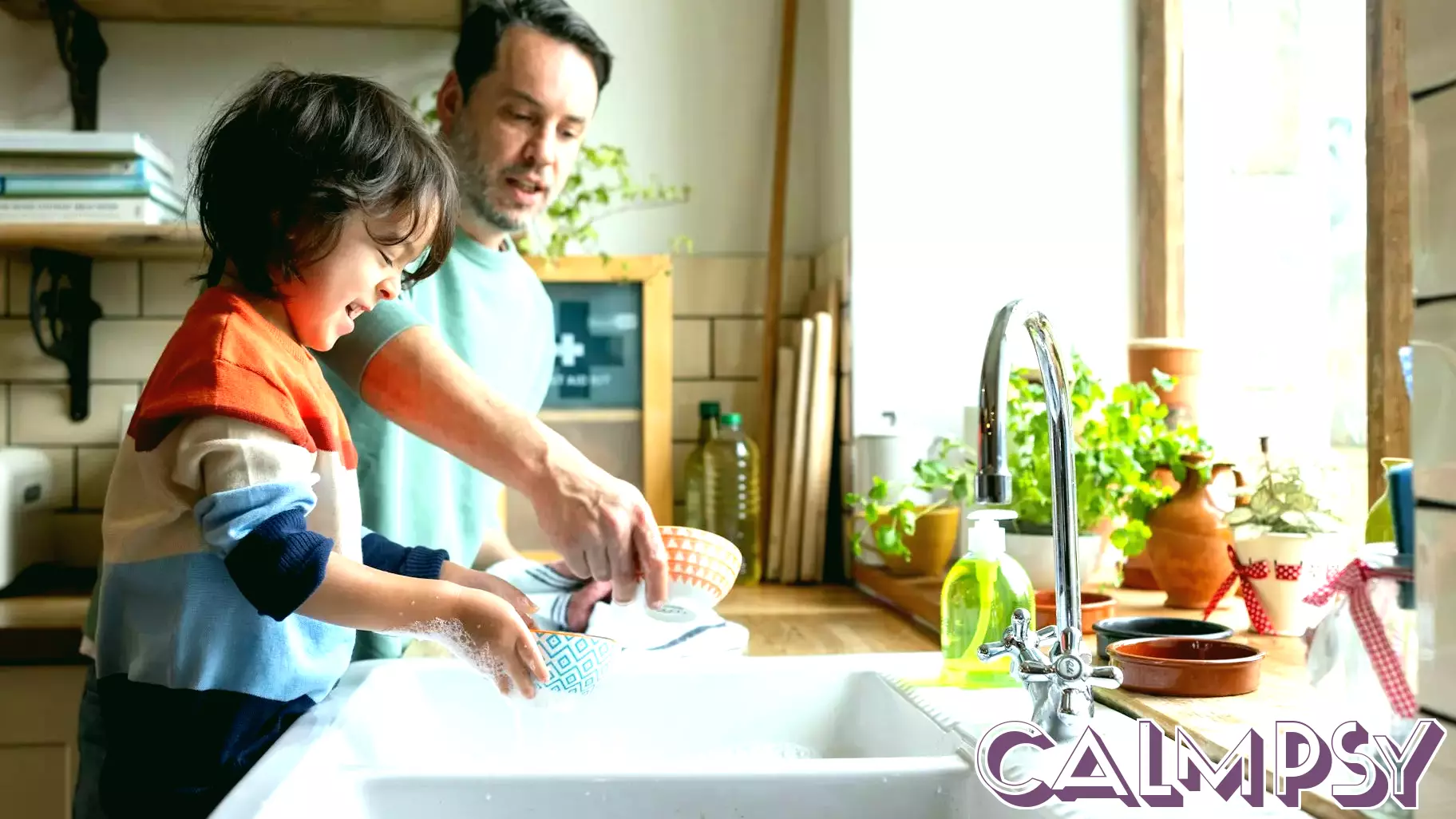
Parents have long debated whether to pay children for doing household tasks. Some see it as a practical way to teach the value of work. Others worry it might turn kids into small mercenaries who only help when there is cash on the table. The question is not just about money. It is about what kind of habits and attitudes we build in our children.
Research in economic psychology suggests that paying for chores is not a simple yes or no answer. The key lies in how the payment is framed and what tasks are tied to it. If a child gets paid for every single task, from making the bed to clearing the table, they may start to see all family duties as paid labor. That can weaken their sense of responsibility toward the household as a shared space. They might begin to ask, "What do I get for this?" before lifting a finger.
On the other hand, not paying for chores can also create problems. Without any allowance, kids may miss out on learning how to budget, save, and make choices about spending. Money management is a skill, and practice helps. Some families solve this by giving a base allowance that is not tied to chores, then offering extra pay for bigger jobs like washing the car or cleaning out the garage. This way, basic chores are part of being a family member, while larger tasks are seen as real work.
Another angle is the timing. Young children often respond well to immediate rewards. A small coin for a simple task can be a clear link between effort and outcome. As they grow older, the lesson can shift toward delayed rewards, like saving up for something they want. The danger is when parents use money as a bribe to stop bad behavior or to force compliance. That tends to backfire, because it teaches kids to negotiate everything.
The real goal is balance. Chores should teach cooperation and care for the home. Pocket money should teach financial independence and planning. If the two are mixed too tightly, the intrinsic motivation to help can fade. But if they are kept completely separate, kids may not learn the value of earning. The best approach likely depends on the child's age, the family's values, and the specific task at hand. There is no single right answer, but the conversation itself is worth having.
MORE NEWS

September 17, 2026 - 12:31
Revisiting Power and Cruelty: The Stanford Prison Experiment Under New ScrutinyIn 1971, a basement corridor at Stanford University became the stage for one of psychology`s most infamous studies. Researchers divided male students into two groups: guards and prisoners. Within...

September 16, 2026 - 22:21
Study Links Extreme Celebrity Obsession to Narcissism and Criminal ThinkingNew research into the psychology of celebrity worship has identified a clear dividing line between harmless fandom and genuinely troubling behavior. The study suggests that an intense,...

September 16, 2026 - 01:32
Having a bad hair day? My new research might helpThink about the last time you looked in the mirror and sighed at the sight of your hair. Maybe it was frizzing, flattening, graying, thinning or simply refusing to do what you wanted. For many...

September 15, 2026 - 06:36
Fred Warner Credits Sports Psychologist for Saving His NFL CareerSan Francisco 49ers linebacker Fred Warner recently opened up about a difficult period in his professional journey and the mental health support that helped him navigate it. According to Warner, a...