2 Signs You’re Raising An Over-Sensitive Child, By A Psychologist
February 8, 2026 - 06:59
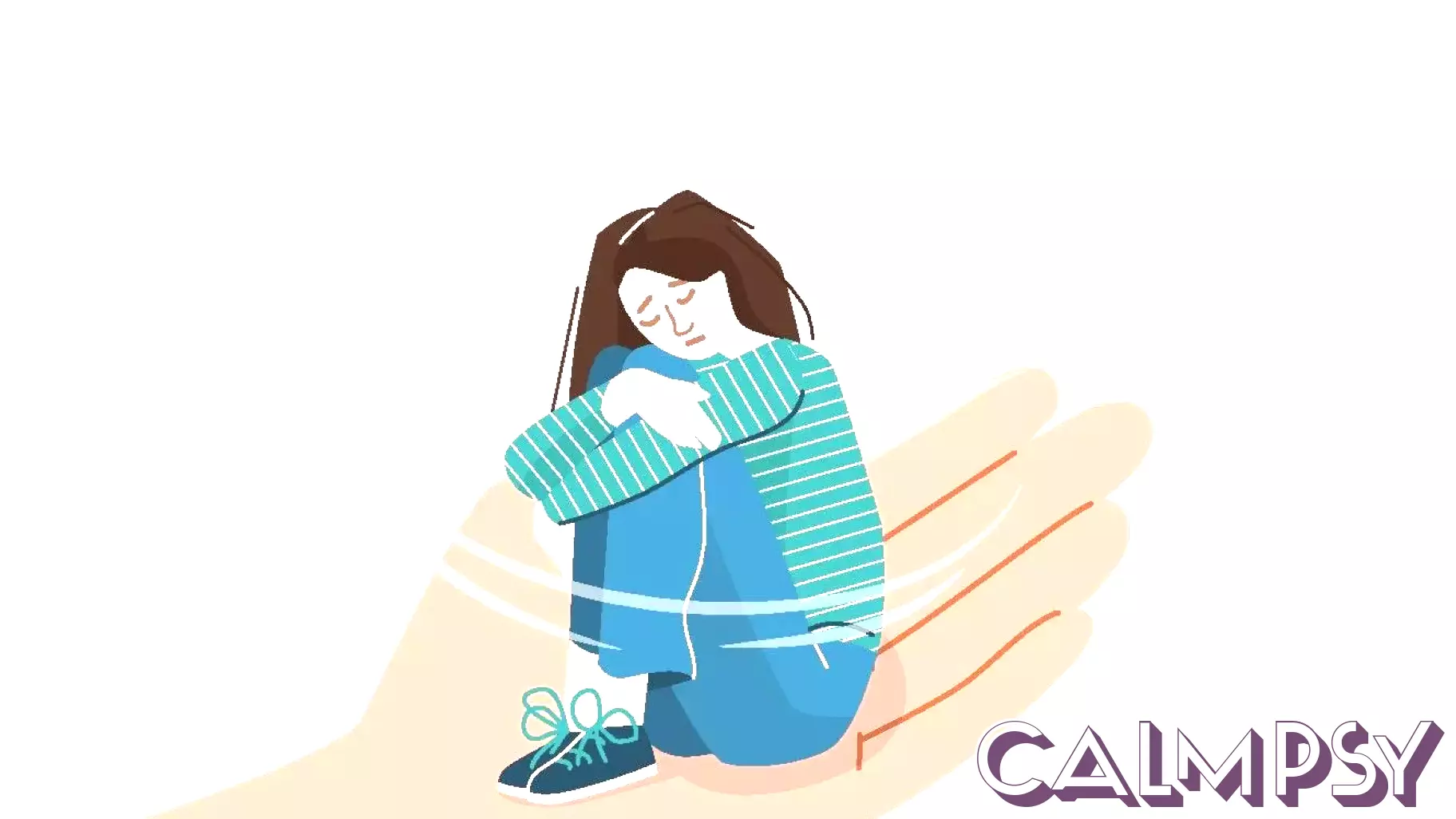
Everyday stimulation can deeply disrupt some children's emotional worlds, a reality many parents witness but may not fully understand. This deep emotional and sensory responsiveness is a core trait of a highly sensitive child, not merely a phase or a behavioral issue. According to psychological insight, there are key indicators that distinguish profound sensitivity from temporary upset.
The first major sign is a low sensory threshold. This manifests as a child becoming easily overwhelmed by loud noises, bright lights, scratchy clothing, or chaotic environments. They may react more intensely than peers to what seems like minor stimuli, needing more downtime to recover from busy settings like school or social gatherings.
Secondly, parents may observe deep emotional processing. These children don't just get upset; they become profoundly moved. They may ask complex questions about fairness, show intense empathy for others' pain, including characters in stories, and dwell on emotional experiences long after they've passed. Their reactions are often described as "too much" for the situation, reflecting an inner world that feels things intensely.
Understanding these signs is the first step toward supportive parenting. It allows caregivers to reframe their child's experiences not as misbehavior, but as a different way of interacting with the world, requiring patience, calm environments, and validation of their rich inner life.
MORE NEWS

September 22, 2026 - 01:11
AI, Consumer Psychology and the End of the 7-Year Boat DesignThe marine industry is facing a shift in how customers judge the pace of change. For decades, boat design followed a slow rhythm. A hull shape or interior layout could stay competitive for seven...

September 21, 2026 - 00:20
8 Signs Your Child Is Growing Into a Resilient, Emotionally Mature PersonA psychologist has outlined eight signs that suggest a child is developing resilience and emotional maturity. According to Lindsay C. Gibson, these traits shape how children grow into adults. `They...

September 20, 2026 - 19:41
Why Silent Hill 2 Remains the Peak of Psychological HorrorSilent Hill 2 turned guilt into a whole town. Here is why Team Silent`s 2001 classic is still the greatest psychological horror game ever made, remake included. Most horror games try to scare you...
September 20, 2026 - 04:34
A Simple Morning and Evening Habit That Can Lead to Happier DaysA psychologist has highlighted a straightforward daily routine that may help people experience more satisfying and joyful days. The habit centers on two brief moments of reflection, one in the...