Why Listening Is More Important Than Speaking in 2026
16 April 2026
Let’s be brutally honest for a second. We live in a world that screams. From the relentless ping of notifications to the curated highlight reels on social media, to the pressure to have a hot take on everything instantly, it feels like we’re all in a giant, global shouting match. Speaking—or rather, broadcasting—has become our default mode. We speak to be seen, to be validated, to sell, to argue, to exist in the digital ether. But here’s the counterintuitive truth that 2026 is hammering home with the subtlety of a sledgehammer: In an age of deafening noise, the most powerful and稀缺 (that’s scarce, for the non-Mandarin speakers) skill you can possess is the ability to truly listen.
This isn’t about politely waiting for your turn to talk. That’s just strategic silence. I’m talking about deep, active, empathetic listening—the kind that forges real connection, unlocks innovation, and is becoming the ultimate differentiator in every sphere of human life. While everyone else is busy amplifying their own signal, the true power move is to become a master receiver. Think about it. What’s more valuable in a room full of people yelling: another voice, or the person who can actually make sense of the chaos?
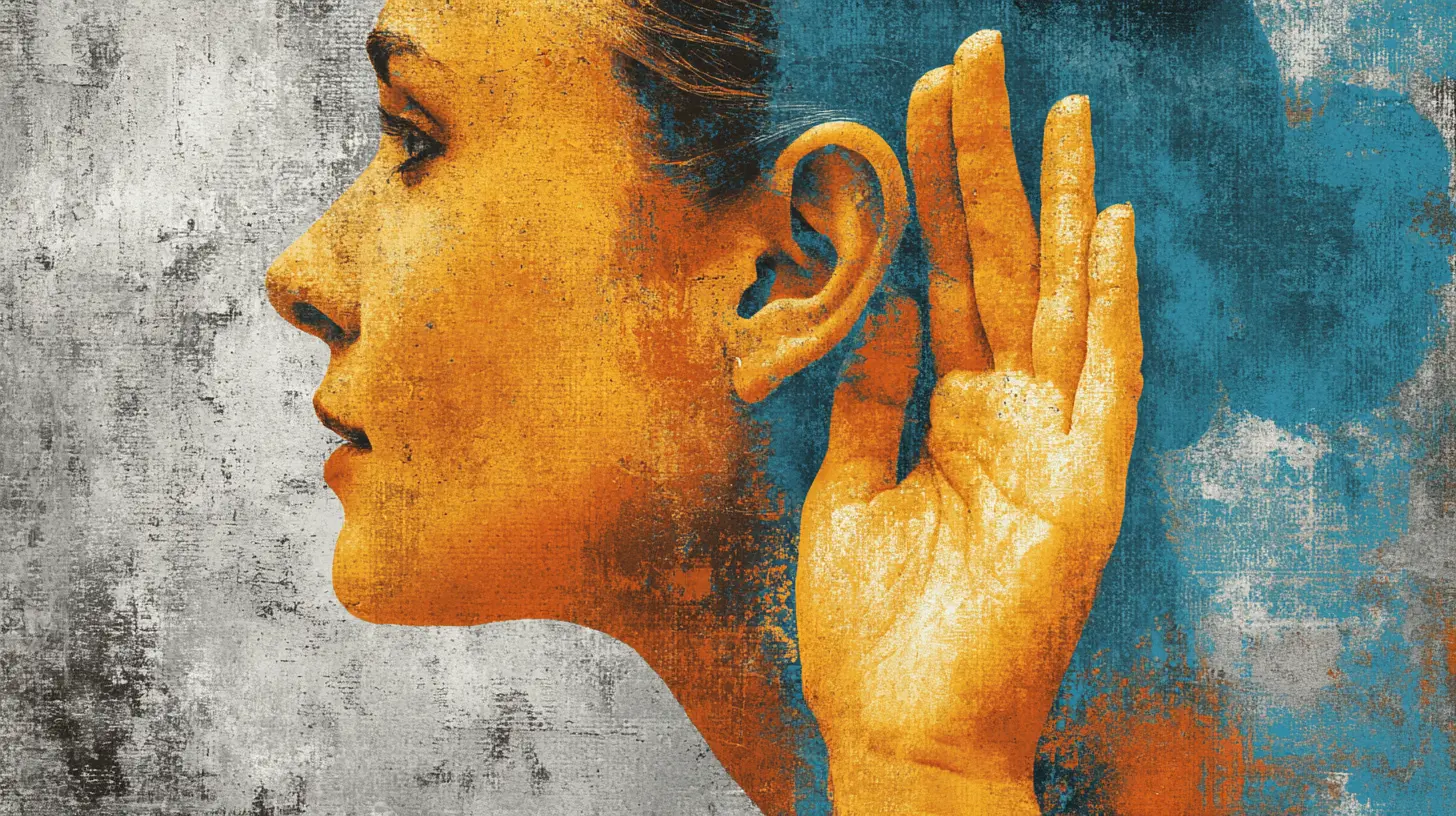
The 2026 Landscape: Why the Scales Have Tipped
To understand why listening is now the main event, we need to look at the unique cocktail of pressures defining our near future.The Exhaustion of Expression. By 2026, we’ve been through the wringer. We’ve overshared, argued in comment sections, built personal brands, and performed our lives online for over a decade. There’s a collective fatigue setting in. The constant pressure to generate content—be it words, videos, or opinions—is mentally draining. People are starting to feel, deep in their bones, that adding to the noise isn’t fulfilling. It’s emptying. This creates a cultural thirst for spaces where we don’t have to perform, where we can simply be heard. The person who can provide that space—through genuine listening—becomes an oasis in a desert of demand.
AI and the Commodification of Speech. Here’s the kicker: speaking is being automated. In 2026, AI tools can draft our emails, write our reports, generate marketing copy, and even simulate conversation. Speaking, in its basic, informational form, is losing its unique human value. Any algorithm can regurgitate data. But can an AI truly listen? Can it hear the tremor of uncertainty in a client’s voice, sense the unspoken excitement behind a teammate’s hesitant idea, or pick up on the quiet grief hiding behind a friend’s “I’m fine”? Not a chance. This technological shift is making human listening not just nice, but economically and socially vital. It’s becoming the irreplaceable core of what makes us human.
The Crisis of Connection. We are more “connected” than ever, yet loneliness and misunderstanding are at epidemic levels. We have hundreds of contacts but few confidants. Why? Because connection isn’t built on parallel monologues; it’s built on the bridge of listening. In 2026, as digital interactions become even more seamless and superficial, the hunger for real, analog, soul-to-soul understanding is skyrocketing. Listening is the antidote to the isolation of the digital age.
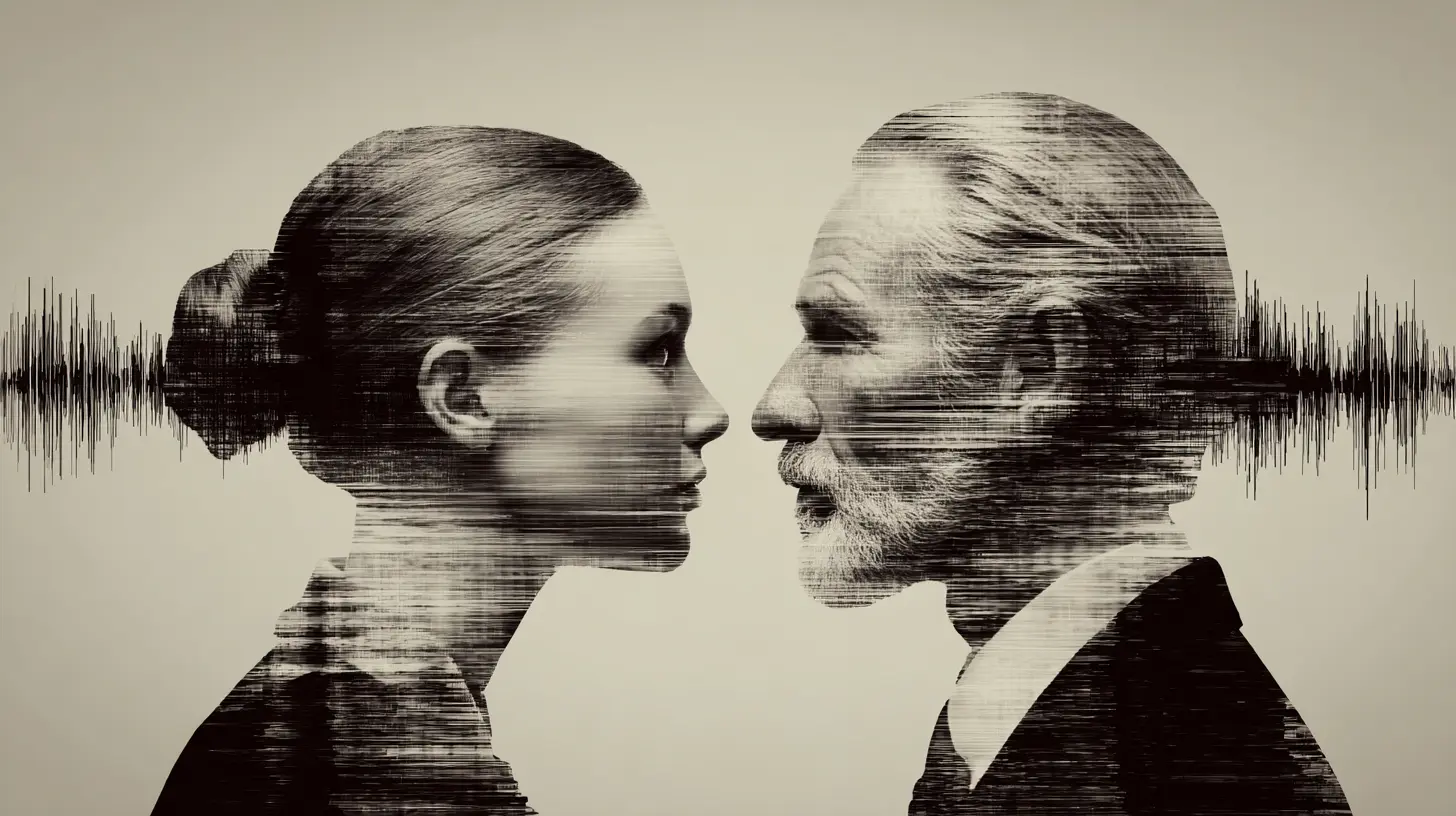
The Superpowers of a Listener in 2026
So, what exactly do you gain by flipping the script and prioritizing your ears over your mouth? It’s nothing short of a suite of superpowers.The Intelligence Gathering Advantage
Forget spy movies. The best intelligence is gathered in plain sight. When you listen—truly listen—you’re not just collecting words. You’re gathering data on emotions, motivations, fears, and unspoken needs. In a business negotiation, the listener hears not just the price point, but the worry about implementation. In a relationship, the listener hears not just the complaint about chores, but the cry for appreciation. While the speaker is revealing their hand, the listener is understanding the entire game board. In 2026’s complex world, this intelligence is the key to solving problems before they blow up, creating products people actually need, and leading with empathy.The Trust Accelerator
Trust used to be built on impressive speeches and grand promises. Now? We’re all promise-fatigued. Trust in 2026 is built through consistency and psychological safety. And nothing makes a person feel safer than being deeply listened to. It sends the most powerful message possible: “You matter. Your experience is valid. I am here with you.” This isn’t fluffy psychology; it’s strategic relationship-building. A team that feels heard by its leader will innovate fearlessly. A customer who feels heard by a company becomes a loyal advocate. A friend who feels heard becomes a pillar of your life. Listening builds trust at warp speed, and trust is the currency of everything meaningful.The Innovation Ignition Key
Where do the best ideas come from? They rarely come from a single genius monologuing in a vacuum. They come from the collision and connection of fragments—a half-formed thought from marketing, a frustration from engineering, an offhand comment from a customer. The innovator in 2026 isn’t the loudest visionary; it’s the patient listener who can connect these disparate dots. By listening across departments, to user feedback, and to the edges of the conversation, you become the synthesizer, the pattern-recognizer. You create the fertile ground where breakthrough ideas can actually take root and grow.The Emotional Regulator (For You and Others)
Here’s a personal benefit we often overlook: listening is incredibly grounding. When you’re in listening mode, you’re out of “defense” or “performance” mode. You’re focused on another, which quietens your own internal noise and anxiety. It’s a form of mindfulness. Furthermore, by listening to someone in distress, you help them regulate their emotions. You’re essentially holding a psychological container for their chaos, helping it settle. In a high-stress, fast-paced 2026, being a person who can bring calm—simply through the act of listening—is like being a human shock absorber. People will gravitate toward you.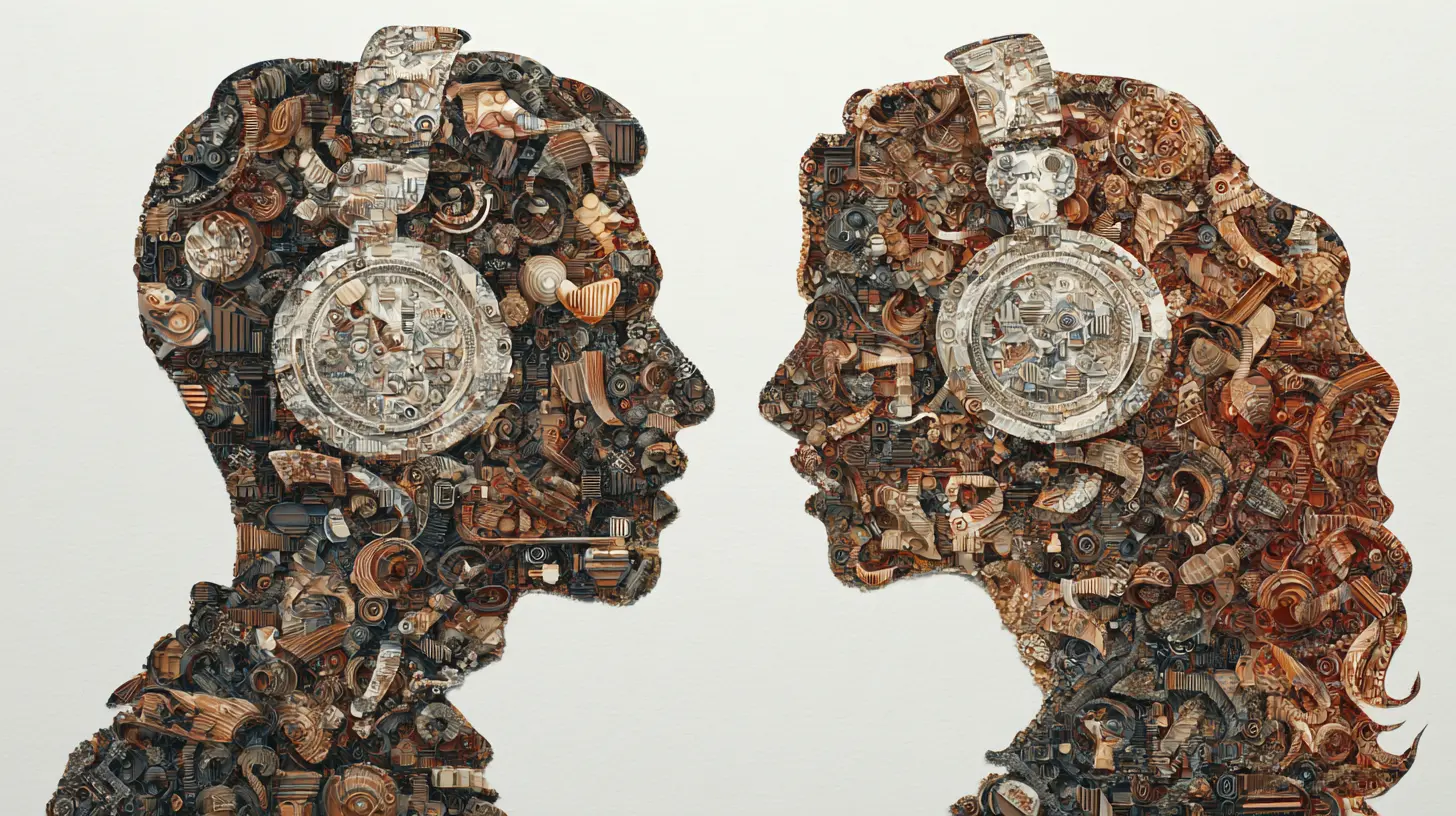
How to Be a Listener in 2026: It’s Harder Than You Think
Okay, you’re convinced. But how do you actually do this in a world designed for distraction? It requires intentional practice.First, Murder Your Inner Scriptwriter. As someone talks, your mind is often frantically writing your next line, your rebuttal, your similar story. Stop it. Your only job is to understand theirs. Imagine your mind as a blank whiteboard, simply receiving their words and drawing their picture.
Listen With Your Whole Body. This is 2026, not a passive activity. Turn your body toward the person. Put the phone away—and I mean away, not face down. Nod. Make eye contact (without being creepy). Your nonverbal cues should scream “I am here with you” louder than any verbal reassurance could.
Practice the “Pause Principle.” When the person finishes a thought, wait. Don’t jump in. Count to three in your head. That silence is where the gold often is—it’s where they might add the most important thing, or where you actually digest what was said. Your response will be ten times more potent because of that pause.
Ask “Depth” Questions. Move beyond the superficial. Instead of “How was your day?” try “What gave you energy today?” or “What felt like a struggle?” Instead of “Do you like the plan?” try “What part of this plan makes you most nervous?” These questions show you’re listening beneath the surface.
Reflect, Don’t Just Repeat. Parroting back words is for chatbots. Reflecting is for humans. Try “So, what I’m hearing is that you’re excited about the opportunity, but the timeline feels like it’s setting you up for a lot of stress.” This confirms understanding and validates the emotion.

The Silent Revolution: Your 2026 Edge
By 2026, the ability to speak will be a given. It will be a baseline commodity, often augmented or even outsourced to machines. But the ability to listen—with focus, empathy, and intelligence—will be the rare art form. It will be what separates leaders from bosses, partners from spouses, trusted brands from transactional vendors, and true friends from acquaintances.This is a silent revolution. It won’t trend on social media because its practitioners are too busy connecting in the real world. They are the ones building unshakeable teams, navigating complex conflicts, forging deep bonds, and uncovering insights that others miss because they were too busy talking.
So, as we hurtle further into this noisy century, I leave you with this challenge: What if, in 2026, your greatest strength wasn’t what you said, but what you understood? Start sharpening that skill now. Tune your ears. Quiet your inner voice. In the symphony of human interaction, be the one who appreciates the music, not just the one trying to play the loudest note. The future doesn’t belong to the loudest voice. It belongs to the most attentive ear.
all images in this post were generated using AI tools
Category:
Interpersonal CommunicationAuthor:

Eliana Burton
Discussion
rate this article
2 comments
Layne Moses
Listening fosters deeper connections and understanding in 2026. It allows us to learn, empathize, and truly engage with others.
June 9, 2026 at 4:03 AM
Eliana Burton
Absolutely. Listening is key to building real connections and fostering understanding in today's world. It opens the door to empathy and genuine engagement.
Amira Rodriguez
This article brilliantly emphasizes the crucial role of active listening in fostering understanding and connection. In a fast-paced world, prioritizing listening enhances communication and strengthens relationships.
April 16, 2026 at 3:08 PM
Eliana Burton
Thank you! I'm glad you found the emphasis on active listening resonant. It truly is essential for deeper connections in our busy lives.