Understanding and Managing Childhood Panic Disorders
11 February 2026
As parents, guardians, or educators, watching a child struggle with panic attacks can be both heartbreaking and overwhelming. You might wonder, “Why is my child experiencing this? How can I help?” Don't worry—you’re not alone. Childhood panic disorders are more common than most people realize, and with the right approach, they can be managed effectively.
In this article, we’ll break down everything you need to know about childhood panic disorders, from recognizing the signs to practical strategies for handling them.

What is a Childhood Panic Disorder?
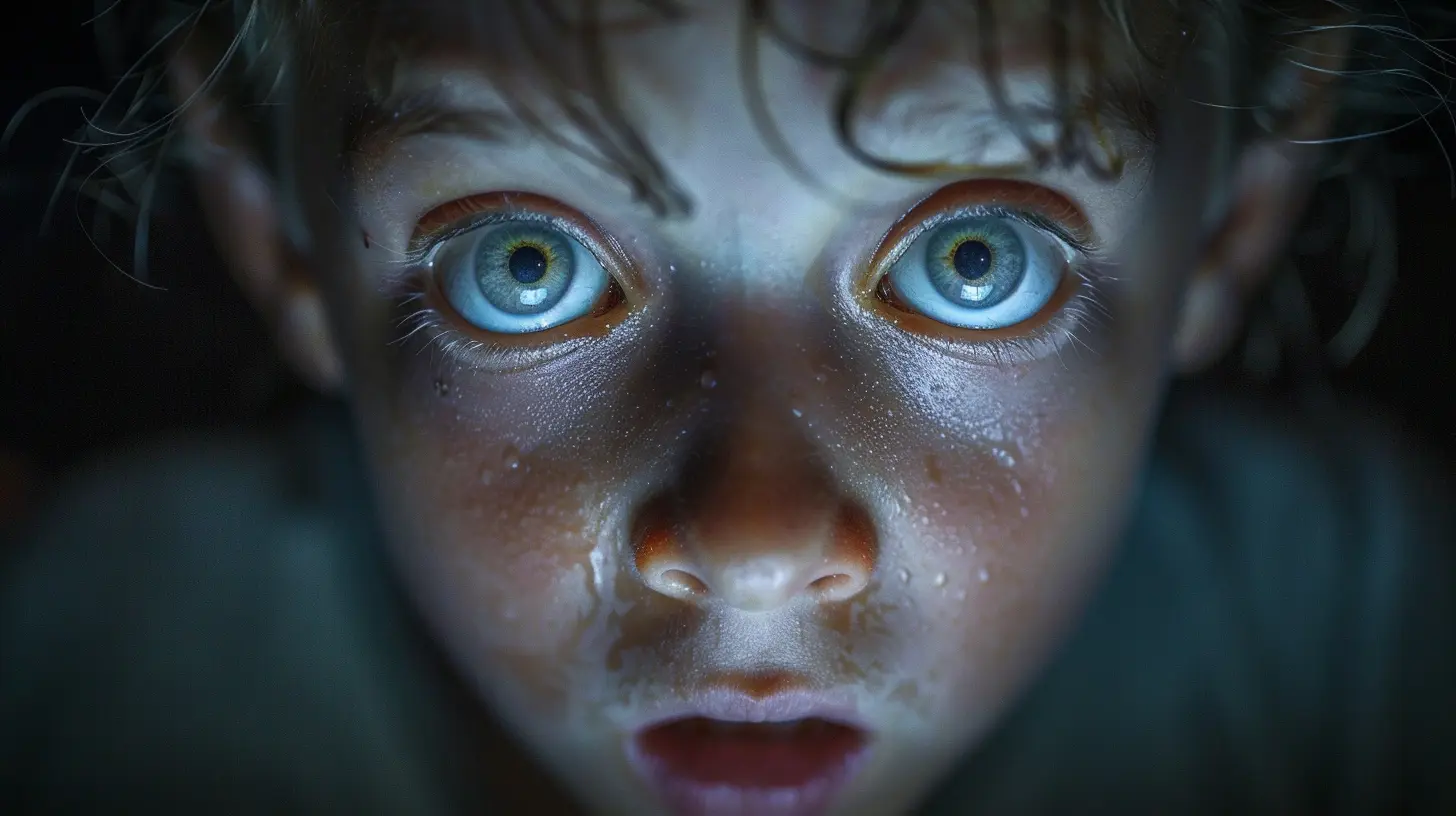
A childhood panic disorder is a type of anxiety disorder characterized by sudden and intense episodes of fear. These panic attacks can happen unexpectedly or in response to certain situations. Unlike typical childhood fears, panic attacks are overwhelming and often come with physical symptoms that can make children feel like they are losing control.Children with panic disorders may avoid specific places or situations out of fear that they’ll experience another attack. This can interfere with their daily lives, making school, friendships, and even simple tasks feel impossible.
Signs and Symptoms of Childhood Panic Disorders
Panic attacks can be terrifying, especially for a child who doesn’t understand what's happening. Here are some common signs to look out for:Physical Symptoms
- Rapid heartbeat (feels like their heart is “racing”)- Shortness of breath or difficulty breathing
- Dizziness or feeling lightheaded
- Sweating or chills
- Nausea or stomach pain
- Trembling or shaking
- Numbness or tingling sensations
Emotional & Behavioral Symptoms
- Extreme fear or dread (fear of dying, losing control, or going crazy)- Crying or refusing to talk about what happened after an attack
- Avoiding certain places or situations (such as school or social events)
- Clinginess or excessive reassurance-seeking
- Sudden mood swings or outbursts
Since young children may not be able to express what they feel, they might describe the symptoms in their own way—like saying they have a "bad heart," they "can’t breathe," or that they feel "super scared for no reason."

What Causes Panic Disorders in Children?
There isn’t a single cause for panic disorders, but several factors can play a role in their development:1. Genetics
If a close family member (such as a parent or sibling) has a history of anxiety or panic disorders, a child may be more prone to experiencing them too.2. Stress & Trauma
Major life changes, such as moving to a new city, parents divorcing, or losing a loved one, can trigger anxiety and panic attacks. Kids process stress differently than adults, and what seems small to us can feel enormous to them.3. Chemical Imbalances
Neurotransmitters (brain chemicals like serotonin and dopamine) play a big role in regulating emotions. If there's an imbalance, it can make a child more vulnerable to panic attacks.4. Learned Behavior
Children often pick up on their parents’ anxieties. If they see a parent overreacting to stressful situations or avoiding certain things due to fear, they might adopt similar patterns.
How to Help a Child Experiencing a Panic Attack
When your child has a panic attack, it’s easy to panic yourself. But staying calm and knowing how to respond can make a big difference.1. Stay Calm and Reassure Them
Your reaction sets the tone. Speak in a soothing voice and remind them that they are safe. Use simple phrases like:- “I know this feels scary, but you’re okay.”
- “I’m here with you, and we’ll get through this together.”
2. Encourage Slow Breathing
Panic attacks often cause hyperventilation, which makes symptoms worse. A great trick is the "4-7-8 breathing method":- Inhale for 4 seconds
- Hold for 7 seconds
- Exhale for 8 seconds
This slows the heart rate and brings oxygen back to the brain, helping them regain control.
3. Use Grounding Techniques
Grounding helps redirect their focus away from fear and back to the present moment. Try the "5-4-3-2-1 method":- 5 things they can see
- 4 things they can touch
- 3 things they can hear
- 2 things they can smell
- 1 thing they can taste
This simple exercise works wonders in shifting their attention from their panic to their surroundings.
4. Avoid Over-Reassurance
While it's important to validate their feelings, constantly saying, “You’re fine, you’re fine,” might make them feel like their experience is being dismissed. Instead, acknowledge their fear without reinforcing it.For example, instead of saying:
❌ “There’s nothing to be afraid of.”
Say:
✅ “I know this is hard, but you’ve been through this before and you got through it.”
Long-Term Strategies to Manage Panic Disorders
While handling panic attacks in the moment is crucial, long-term strategies can help prevent them from happening frequently.1. Develop a Routine
Children thrive on routine. Knowing what to expect each day can reduce anxiety and provide a sense of control.2. Encourage Healthy Lifestyle Habits
What kids eat and how much they move affects their mental health. Make sure they:- Get enough sleep (lack of sleep can trigger anxiety)
- Eat nutritious meals (avoid too much caffeine or sugar)
- Exercise regularly (physical activity reduces stress hormones)
3. Teach Coping Skills
Help your child build a toolkit of relaxation techniques they can use when they feel anxious, such as:- Deep breathing exercises
- Journaling feelings
- Drawing or coloring (art therapy)
- Using stress balls or fidget toys
4. Reduce Triggers When Possible
If your child’s panic attacks are linked to specific situations, try to identify and minimize those triggers. However, avoid over-accommodation—shielding them too much can reinforce avoidance behaviors.5. Consider Therapy
If panic attacks are frequent or severely impact daily life, professional help might be necessary. Therapies like Cognitive Behavioral Therapy (CBT) have been proven to help children manage panic disorders effectively. A therapist can teach coping strategies tailored to your child’s specific needs.
When to Seek Professional Help
It’s normal for kids to feel anxious from time to time. But if panic attacks are becoming a regular occurrence and affecting their well-being, it may be time to contact a pediatrician or child psychologist.Here are some signs that indicate professional help might be needed:
- Panic attacks happen multiple times a week
- They start avoiding school or social activities
- Their anxiety is interfering with sleep or appetite
- They express feelings of hopelessness or extreme fear consistently
There’s no shame in seeking help—mental health is just as important as physical health. The sooner the disorder is addressed, the easier it becomes to manage.
Final Thoughts
Childhood panic disorders can be challenging, but with the right tools and support, they don’t have to define a child’s life. By understanding the signs, staying calm during an attack, and implementing long-term coping strategies, you can help your child navigate their anxiety and reclaim their confidence.Remember, every child is different, and what works for one may not work for another. The key is patience, support, and reassurance that they are never alone in this journey.
all images in this post were generated using AI tools
Category:
Psychological Disorders In ChildAuthor:

Eliana Burton
Discussion
rate this article
2 comments
Lincoln McClintock
Thank you for shedding light on such an important topic!
March 11, 2026 at 5:07 AM
Eliana Burton
You're welcome! I'm glad you found it helpful.
Milena Smith
This article offers valuable insights into childhood panic disorders, emphasizing the importance of early recognition and effective management strategies. A must-read for parents and educators to foster supportive environments.
February 15, 2026 at 5:16 PM
Eliana Burton
Thank you for your kind words! I'm glad you found the article helpful for supporting children with panic disorders.