The Role of Pets in Supporting Mental Health
22 June 2026
We all know that pets are cute, cuddly, and crazy fun to be around. But did you know they’re also tiny (or sometimes big) superheroes when it comes to supporting our mental health? Yep, your dog, cat, bunny, or even your chatty parrot isn’t just a companion — they might be your emotional life vest.
So, if you’ve ever had a rough day and found comfort in a wagging tail or a soft purr, let’s talk about why that happens. In this article, we’re diving deep — but in the chillest possible way — into how pets play a huge role in boosting our mental well-being.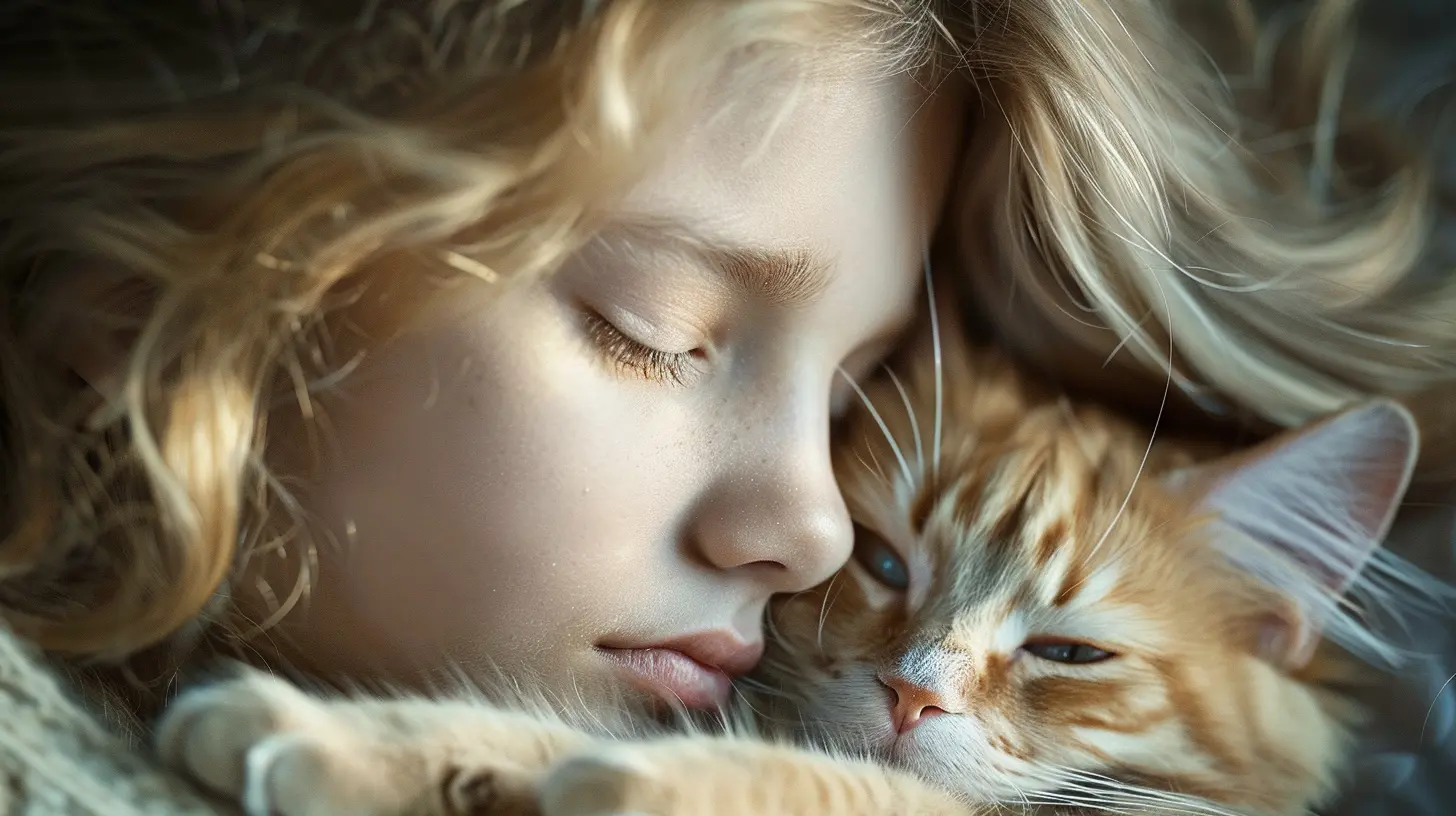
Why Mental Health Matters More Than Ever
Before we go all-in on pets, let’s zoom out a bit. Mental health has become a hot topic lately — and for good reason. More people are talking about anxiety, depression, stress, loneliness, burnout… you name it. Life is fast, chaotic, and sometimes overwhelming.But here’s where the magic begins. Among the chaos, our pets are like little anchors keeping us grounded. Let's break it down and see how they're doing this.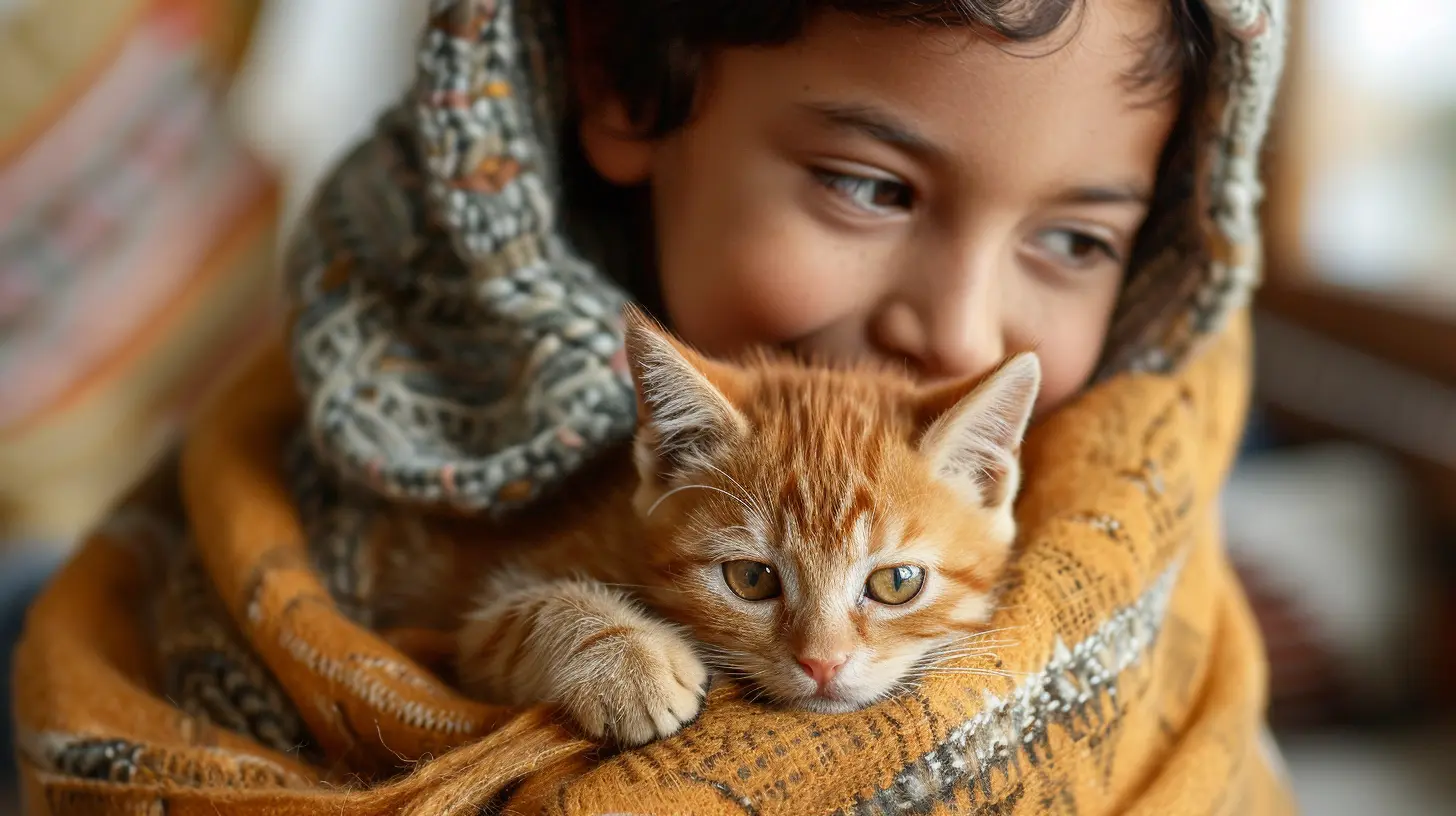
Pets as Emotional Support Ninjas
You might not see them wearing capes, but emotionally, pets can work wonders. Here’s how:1. Unconditional Love and Non-Judgmental Companionship
Let’s be honest — there are days when everything feels like it's crashing. Your clothes don’t fit right, work’s a mess, and maybe you said something awkward in a meeting. But your dog? He's just happy you’re home.Pets don’t care what you look like, how much money you make, or what kind of day you had. Their love is simple. And that kind of consistent, non-judgmental presence is like balm for a bruised soul.
2. Routine, Routine, Routine
Ever wake up feeling like you're floating in a fog, not sure what day it is or what to do next? Pets, especially dogs, force us into a structure: feeding, walks, playtime.Routine might sound boring, but it’s actually soothing for the brain. It creates predictability and stability — two things our mental health absolutely thrives on.
3. Physical Touch and Comfort
Holding your pet, petting them, feeling their warmth — it's not just cute, it's therapeutic. When you cuddle a pet, your brain releases oxytocin, the "love hormone."Even just stroking a cat or dog can lead to lower cortisol levels (a.k.a. your stress hormone). Translation? Less stress, more chill.
How Pets Help with Anxiety and Depression
Anxiety and depression are brutal. But pets can help ease the burden in seriously powerful ways.1. Grounding Presence
When your mind is racing or spiraling, pets can help you feel grounded. That soft fur, goofy behavior, or even the sound of paws tapping on the floor pulls you back into the now.It’s almost like mindfulness, except fuzzier.
2. Leaving the House Becomes Easier
Social anxiety can make simply stepping outside feel impossible. But if you’ve got a dog, those daily walks aren’t optional. You'll find yourself outside, breathing fresh air, possibly even saying “hi” to a neighbor or another dog parent.And guess what? That’s a win.
3. Responsibility That Feels Good
When depression makes everything feel meaningless, having a pet to care for gives you a reason to get out of bed. Feeding them, grooming them, cleaning up after them — these small acts of responsibility add up to a sense of purpose.It’s not about pressure, it's about feeling needed — and that’s a powerful motivator.
Pets and Loneliness — A Real Connection
Loneliness isn’t just sad — it’s dangerous for your health. But pets fight loneliness like champs.1. Constant Company
Whether you live alone or not, sometimes it just feels like you're...alone. Pets fill that void. They’re always there — not to talk over you, but to listen (or bark in agreement).Ever had a heart-to-heart with your cat? You're not weird. You're healing.
2. Social Bridges
Pets are like walking conversation starters. Dog parks, pet cafés, vet visits — suddenly, you're talking to strangers like it’s no big deal. Even online pet communities can be a lifeline.It’s easier to connect with others when you’ve already got something in common.
Pets and Children: Mental Health Benefits for Kids
It’s not just adults who benefit — pets are amazing for kids' mental health too.1. Emotional Learning
Kids learn empathy, kindness, and responsibility just by having a pet around. When they see that their dog has feelings, needs, and moods, they start to understand the feelings of others, too.It’s like emotional intelligence on four legs.
2. Confidence Boosters
Shy or anxious kids often blossom around pets. Speaking to a dog or reading a book to a cat feels safe. They practice social skills without fear of judgment.Pets can be the best type of “practice buddy” to build confidence.
Service Animals and Therapy Pets: Specialized Support
Sometimes, pets are trained to go beyond companionship — they become lifelines.1. Emotional Support Animals (ESAs)
These are pets prescribed by a mental health professional to help with conditions like anxiety, PTSD, or depression. While they’re not the same as service animals, ESAs provide serious emotional grounding.2. Therapy Animals
You’ve probably seen therapy dogs in hospitals, schools, or even airports. They're not there just for cuteness — studies show therapy animals reduce stress, anxiety, and even blood pressure.3. Psychiatric Service Dogs
These specially trained dogs help people with severe mental illnesses. They can interrupt harmful behaviors, guide someone through a panic attack, or even fetch medication.They’re not just helpful — they’re lifesaving.
Not All Pets Are Dogs or Cats — And That’s Okay
Some people don’t vibe with dogs or cats — and that’s totally cool. Birds, rabbits, guinea pigs, reptiles, and even fish can offer mental health benefits.1. Watching Fish Can Calm the Mind
Ever zone out watching fish swim in an aquarium? That’s because the slow, rhythmic motion has a tranquilizing effect. It's basically nature’s screen saver for your brain.2. Birds and Their Social Spark
Parrots and other birds can be surprisingly interactive. They talk, mimic, and pay attention to you. That interaction can feel like real companionship.Bottom line? If it brings you joy and gives you comfort, it counts.
Things to Keep in Mind Before Getting a Pet
Hold on — before you dash off to adopt the first puppy you see, here’s a little reality check.1. Pets Are a Commitment
They need time, money, attention, and emotional space. If you’re struggling mentally, make sure pet care won’t overwhelm you further.Start small if needed. Even fostering a pet or volunteering at a shelter can still give you those good vibes.
2. Allergies, Housing Rules, and Lifestyle
Not everyone can have pets due to allergies or housing restrictions. And that’s okay. There’re other ways to engage — like pet-sitting for a friend, visiting pet cafés, or even hanging out with therapy animals.Mental wellness isn’t one-size-fits-all.
Final Thoughts: The Healing Power of a Furry Friend
Honestly? Pets have an almost magical way of helping us heal. They’re not therapists, sure, but they are therapeutic. They don’t judge, they listen, they snuggle, and most of all, they remind us that we’re not alone.Whether you’re navigating anxiety, depression, burnout, or just day-to-day stress, your pet might just be the happiest part of your healing journey. And hey, for many of us, that wagging tail or gentle purr is all the therapy we need today.
Tips to Strengthen the Bond With Your Pet (and Your Mind!)
- Spend daily one-on-one time with your pet (belly rubs encouraged)- Learn your pet’s body language — communication is key
- Incorporate your pet into your wellness routine (like morning meditation or evening walks)
- Talk to your pet (yep, it helps!)
- Don’t compare your pet-parenting skills — do what works for you
Your pet doesn’t care about perfection. They care about connection.
all images in this post were generated using AI tools
Category:
Mental Health AwarenessAuthor:

Eliana Burton
Discussion
rate this article
1 comments
Zephyra McCord
Pets: the furry therapists who never charge by the hour. They listen without judgment, offer unconditional love, and can even convince you that a bad hair day is just part of their charm... and yours!
June 22, 2026 at 2:46 AM
Eliana Burton
Absolutely! Pets bring so much joy and comfort, reminding us to embrace our imperfections. Their love truly makes a difference in our lives.