The Importance of Digital Detox in Reducing Stress
30 April 2026
Let’s face it—our phones are practically glued to our hands. From the moment we wake up to the second we go to bed, we scroll, swipe, like, and binge. Notifications constantly demand our attention, and FOMO (Fear of Missing Out) keeps us locked into the digital world 24/7.
Sound familiar? Yeah, same here.
While technology has gifted us with a world of convenience, it has also quietly turned into a major stressor. That’s where a digital detox comes into play. It’s not just a trendy buzzword—it could actually be the reset button your brain desperately needs.
In this post, we’ll dig deep into the importance of digital detox in reducing stress. You'll see why unplugging, even just a little, can help you reconnect with yourself, improve your mental health, and find peace in today’s hyper-connected chaos.
What Exactly Is A Digital Detox?
Before we go further, let’s break it down.A digital detox is when you intentionally take a break from screens—this includes your smartphone, laptop, social media, streaming services, and any other tech that keeps you “plugged in.” It can last an hour, a weekend, or even a whole week if you're feeling brave (and yes, it’s totally worth it).
The goal? To reduce stress, clear your head, and reconnect with the real world—not just the curated, filtered version we see online.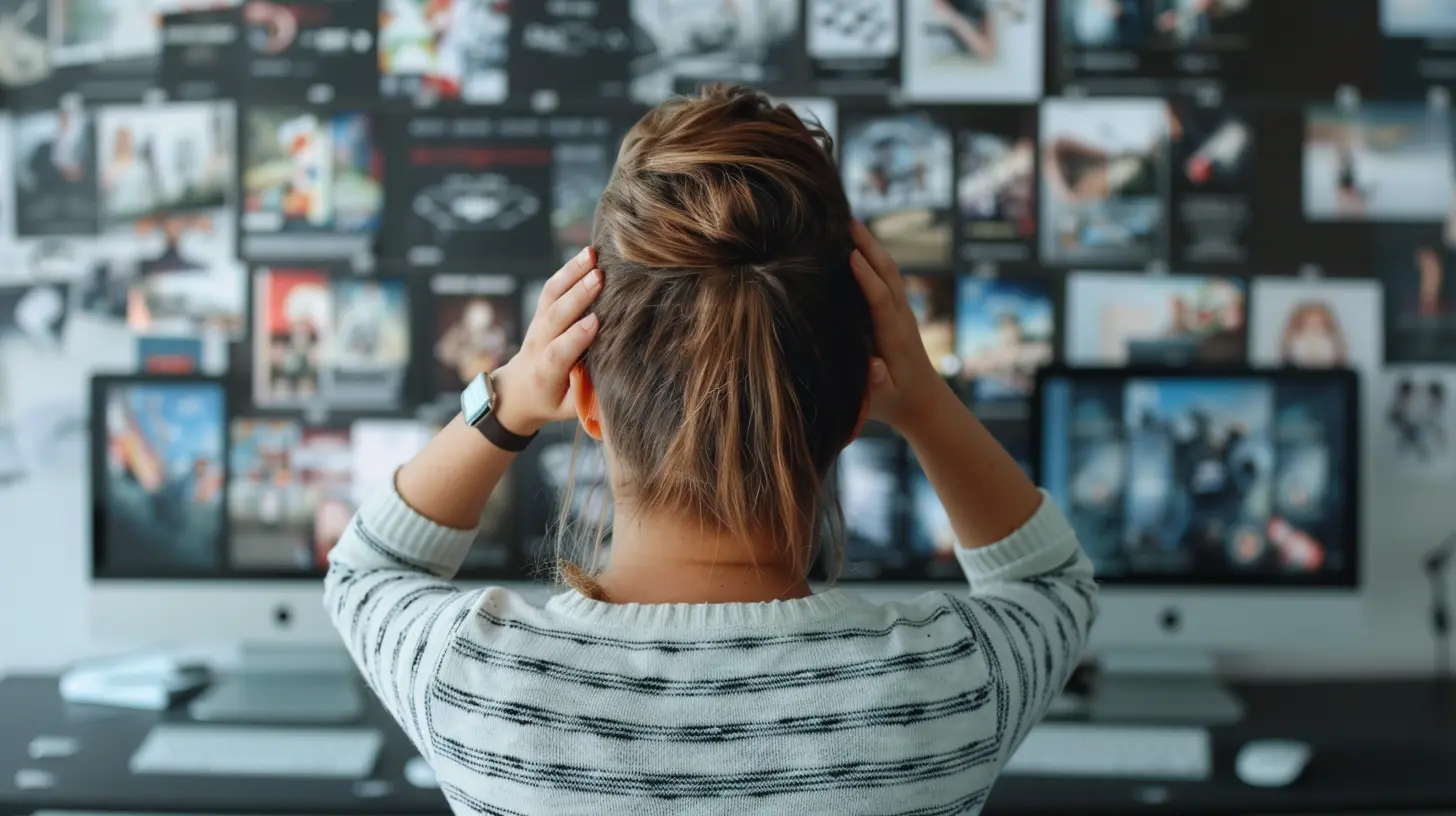
The Modern-Day Love Affair With Screens
Let’s be real—we're kinda addicted.According to recent studies, the average adult spends over 7 hours a day in front of a screen. That’s nearly half the day! And it comes at a cost.
Here's what constant tech use is doing to your brain and body:
- Mental exhaustion: Your brain never gets to switch off, leading to burnout.
- Poor sleep: Blue light messes with melatonin, making it harder to fall and stay asleep.
- Increased anxiety: Doomscrolling the news or comparing lives on Instagram fuels anxiety and low self-worth.
- Reduced attention span: With every ping and notification, our focus shrinks just a little more.
Sound stressful? It is.
Why Digital Overload Triggers Stress
Think of your mind as a sponge. Throughout the day, it soaks up information—emails, social media posts, texts, memes, news, and more. But unlike a real sponge, it doesn't get wrung out.Without regular breaks, our brain is stuck in a loop of overstimulation. No wonder we feel frazzled by the end of the day!
Here’s how digital overload increases stress:
- Constant alerts hijack our nervous system: Every ding or buzz signals our brain’s stress response.
- Multitasking overloads our cognitive load: Switching between apps, emails, and tasks fragments our attention.
- Comparison triggers self-doubt: Social media is a highlight reel, and seeing others' perfect lives can make us feel "less than."
In short, our devices put our brain into a permanent “fight or flight” mode. Not exactly the vibe we're going for, right?
The Science Behind Digital Detox and Stress Relief
Alright, let’s bring in some brain science—but don’t worry, we’ll keep it simple.When you unplug from screens, your brain gets a chance to switch from high-alert mode to its default rest-and-digest state. This means:
- Lower cortisol levels: That’s your body's main stress hormone. Less screen time = lower cortisol = calmer you.
- Stronger prefrontal cortex activity: This part of your brain handles decision-making, focus, and emotional regulation. Tech burnout shuts it down, but detox revives its power.
- Better dopamine balance: Constant likes and notifications create a dopamine spike, which wears out your brain’s ability to enjoy everyday pleasures. A break helps reset your reward system.
Even short detox periods—like an hour or two—have been shown to boost focus, reduce anxiety, and improve mood.
Signs You Might Need a Digital Detox
Still wondering if this is for you? Let’s see if these sound familiar:- You check your phone before even getting out of bed.
- You feel anxious if your phone isn’t within reach.
- You lose track of time scrolling mindlessly.
- You feel drained after being online.
- You’re having trouble sleeping or concentrating.
If you nodded at even one, your brain is craving a break.
How to Start a Digital Detox (Without Losing Your Mind)
Let’s be honest—going cold turkey on tech is kinda terrifying. What if you miss an important email? What if someone tags you in a meme?Here’s the secret: detoxing doesn’t mean deleting your social media and living in a cave. It just means being intentional.
Here are some friendly, doable ways to dip your toes into a digital detox:
1. Start Small
You don't need to go full monk. Try tech-free mornings or screen-free Sundays. Even 30-minute breaks make a difference.2. Set “Tech Curfews”
Power down all screens an hour before bed. Let your brain wind down the old-fashioned way—with a book, meditation, or journaling.3. Create No-Phone Zones
Keep your bedroom, dining table, and bathroom screen-free. These “sacred spaces” help build healthier habits.4. Use Tech to Fight Tech
Irony alert—but there are apps that limit screen time, block social media, or track your usage. Apps like Forest, Freedom, or Moment can keep you in check.5. Replace Screen Time With Real Time
Ever noticed how we reach for our phones out of boredom? Try replacing that reflex with something grounding—go for a walk, stretch, listen to music, or chat with someone IRL.6. Tell People You’re Detoxing
This keeps you accountable and helps manage expectations. Most people will totally get it—heck, they might even join you!What Happens When You Detox
Here’s the good stuff. Once you step away from screens, magical things start to happen:- You sleep better: No blue light, no late-night scrolling—just restful, quality sleep.
- You feel calmer: Without the constant input, your mind slows down, and your stress lowers.
- You become more present: You notice the little things again—birdsong, your partner’s smile, the way your coffee smells.
- You reconnect with people: Real conversations replace DMs and emojis.
- You boost creativity: Boredom is actually your brain’s playground. When you’re not distracted, your imagination wakes up.
And perhaps most importantly—you start to feel like yourself again.
The Long-Term Benefits of Digital Detox
If you make digital detox a regular thing (weekly, monthly, or even just when needed), the positive effects stack up:- Better mental clarity
- Improved self-esteem
- Stronger focus and productivity
- Healthier relationships
- More intentional living
You're not just reducing stress—you’re reclaiming your time, space, and energy.
Real Talk: It’s Not Always Easy
Yep, detoxing can feel weird at first. You might reach for your phone out of habit, feel disconnected, or even anxious at the beginning. That’s totally normal.But stick with it. With a little patience, you’ll notice how peaceful life feels without the constant buzz. You’ll start to feel more grounded, more centered, more... you.
And that kind of calm? It's priceless.
Final Thoughts: You Deserve a Break
Taking a digital detox isn’t about demonizing your phone or going off-grid forever. It's about balance. It’s about giving your mind room to breathe, your thoughts space to process, and your soul a moment to catch up.Remember, your phone will still be there. But your peace of mind? That’s not something you want to put on airplane mode for too long.
So maybe today, just for an hour, you put your phone down, take a walk, hear your own thoughts—and let the silence soothe you.
Trust me—it’s the nicest gift you can give yourself.
all images in this post were generated using AI tools
Category:
Stress ManagementAuthor:

Eliana Burton
Discussion
rate this article
2 comments
Eloise McClure
Oh sure, let's all just unplug and stare at the wall instead. Who needs human interaction or actual hobbies when you can just scroll endlessly through cat videos? That's real therapy, right? Pure genius.
August 2, 2026 at 3:04 AM
Eliana Burton
I get your point, but the goal isn't to stare at walls. It's about reconnecting with life beyond screens. Sometimes, a break helps us find real joy and connection.
Kairo Flores
Thank you for this insightful article on digital detox! I appreciate the emphasis on its role in reducing stress. It’s a timely reminder for all of us to find balance in our tech-driven lives.
April 30, 2026 at 3:46 PM
Eliana Burton
Thank you for your kind words! I'm glad you found the article helpful. Balancing our tech use is so important.