The Role of Family Therapy in Treating Childhood Psychological Disorders
5 February 2026
Childhood should be a time of joy, exploration, and growth. But for many children, psychological disorders create obstacles that make daily life challenging. Anxiety, depression, ADHD, and behavioral disorders can leave families feeling lost, overwhelmed, and desperate for solutions.
That's where family therapy steps in. Unlike individual therapy, which focuses solely on the child, family therapy takes a broader approach. It acknowledges that family dynamics play a massive role in a child's emotional and psychological well-being. By addressing these dynamics, family therapy can pave the way for lasting healing.
So, how does it work? And why is it so effective? Let’s dive deep into the world of family therapy and its role in treating childhood psychological disorders. 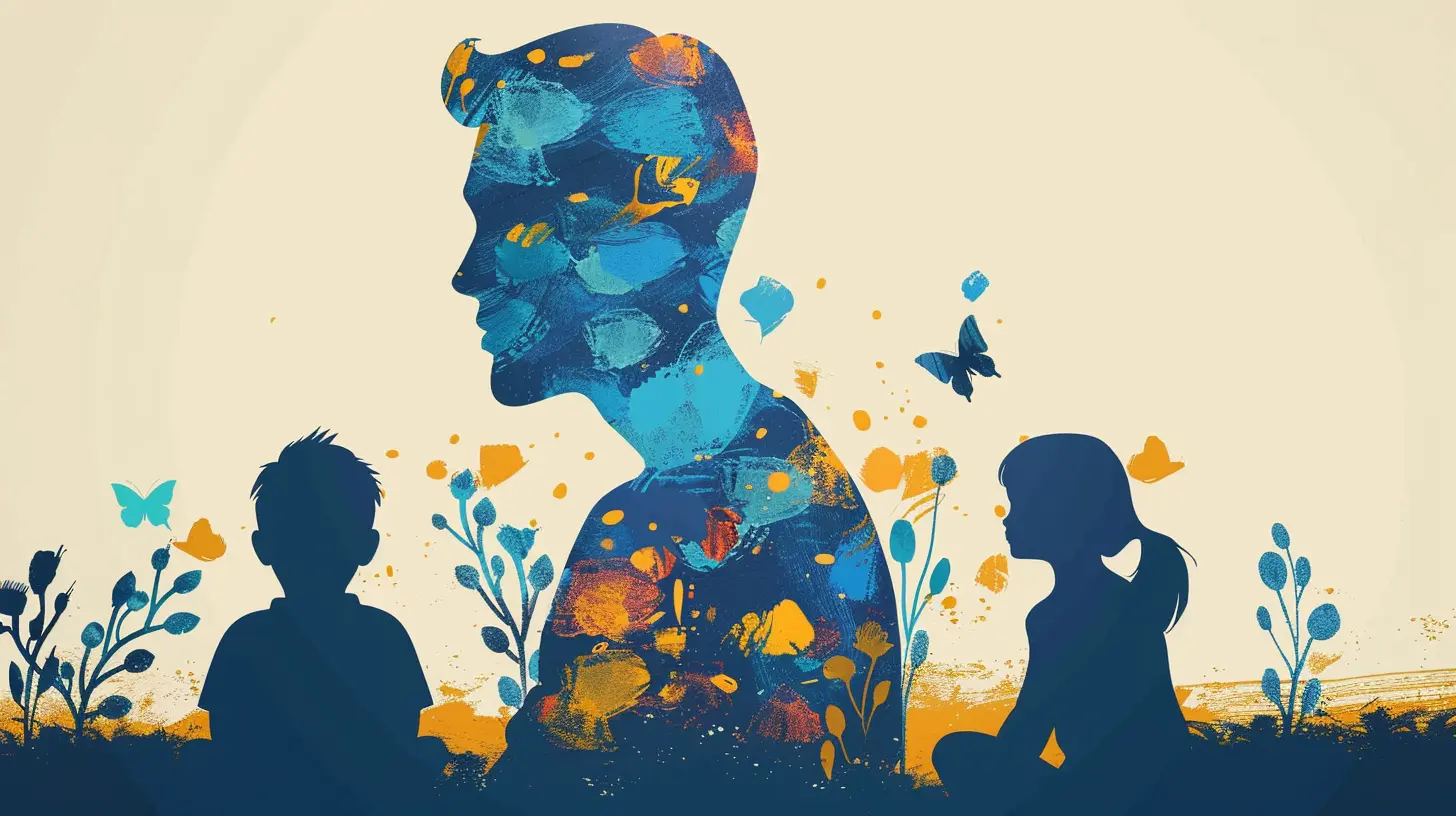
Understanding Childhood Psychological Disorders
Before we break down how family therapy helps, let's first understand what we're dealing with. Childhood psychological disorders come in many forms, and they can drastically affect a child’s behavior, emotions, and social life.Common Childhood Psychological Disorders
Here are some of the most common psychological challenges children face:- Anxiety disorders – Excessive fear and worry that interfere with daily activities.
- Depression – Persistent feelings of sadness, hopelessness, and lack of interest in activities.
- ADHD (Attention-Deficit/Hyperactivity Disorder) – Difficulty focusing, impulsiveness, and hyperactivity.
- Autism Spectrum Disorder (ASD) – Challenges with social interactions, communication, and behavior regulation.
- Oppositional Defiant Disorder (ODD) – Frequent anger, defiance, and hostility towards authority figures.
- Conduct Disorder – More severe behavioral issues, including aggression and rule-breaking.
These disorders don't just affect the child; they impact the entire family unit. That's where family therapy becomes a game-changer. 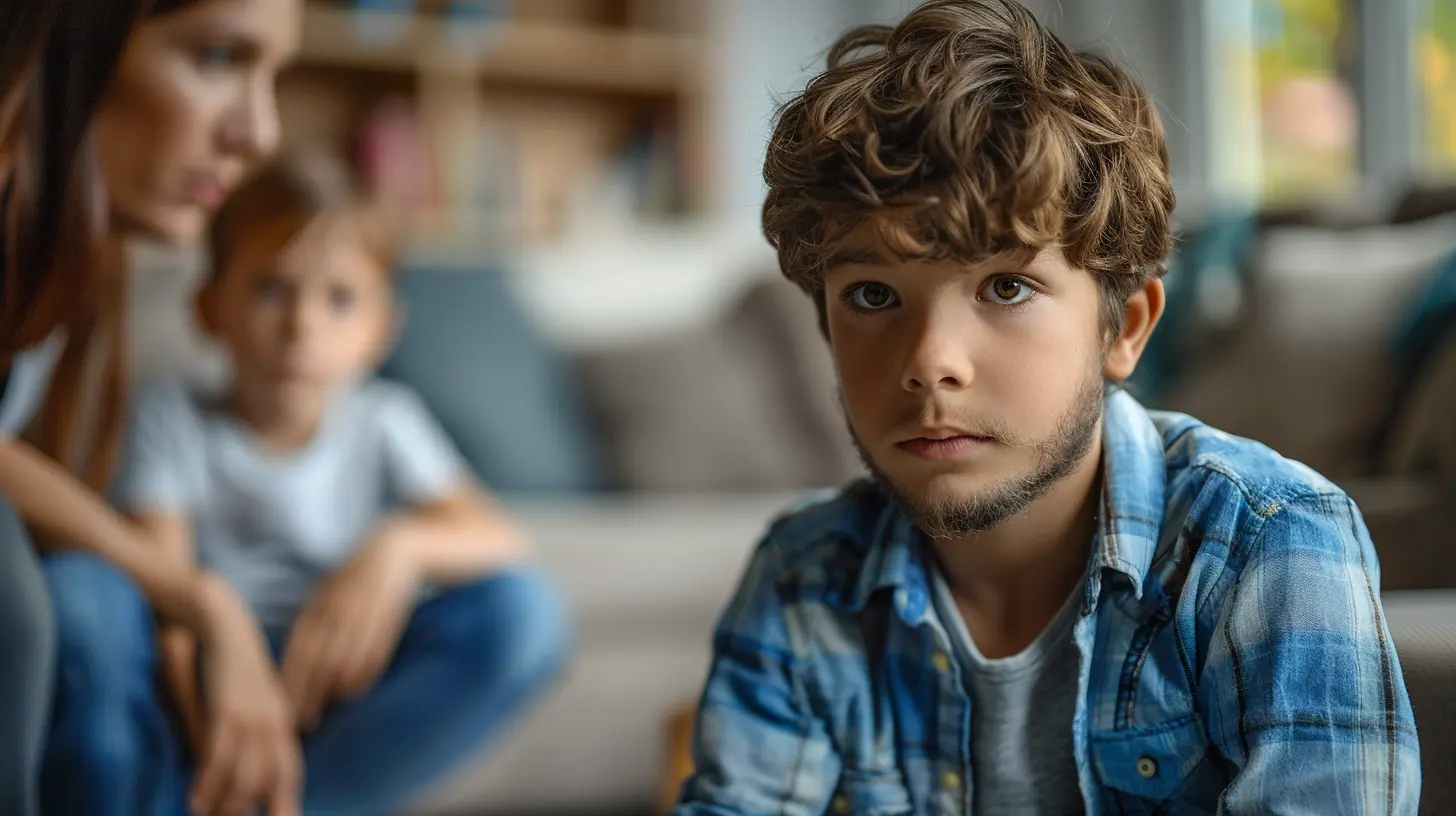
What Is Family Therapy?
Family therapy is a form of psychotherapy that focuses on improving relationships and communication within a family. Rather than placing all the attention on the child, it looks at the family as a whole system.Think of it this way: If a plant in your garden isn’t thriving, you don’t just examine the leaves—you check the soil, sunlight, and water. Similarly, family therapy examines the entire environment surrounding the child, helping uncover root causes and solutions.
The goal? To create a supportive, healthy home atmosphere where the child can thrive. 
How Family Therapy Helps Treat Childhood Psychological Disorders
Family therapy works in different ways depending on the child’s disorder and specific family dynamics. But here are some of the key ways it helps in the treatment process.1. Strengthening Family Bonds
Children struggling with psychological disorders often feel isolated, misunderstood, or even like a "problem" within the family. Family therapy rebuilds trust and emotional connection, creating a sense of security that is essential for mental well-being.By fostering understanding and open communication, families learn to support one another in ways that truly make a difference for the child.
2. Improving Communication Skills
Let’s be real—many families struggle with communication. When emotions run high, misunderstandings, frustration, and resentment can pile up.Family therapy teaches healthy communication techniques, helping parents and siblings better express their thoughts and emotions. This ensures that the child feels heard, validated, and respected.
3. Addressing Parenting Styles
Parenting isn't easy, and sometimes unintentional mistakes can worsen a child's psychological struggles. Parents might be too strict, too lenient, or inconsistent, leading to confusion and stress for the child.A family therapist helps parents identify and adjust their parenting strategies, ensuring they provide the right balance of structure, guidance, and emotional support.
4. Teaching Healthy Conflict Resolution
Arguments happen—it's part of life. But how a family handles conflict can make a world of difference.Instead of shouting matches and silent treatments, family therapy teaches constructive conflict resolution techniques. When families learn to resolve disagreements in a healthy way, the home environment becomes far less stressful for a child dealing with psychological struggles.
5. Reducing Blame and Guilt
Parents often blame themselves for their child’s struggles, while children may feel guilty for the distress they bring to the family. This blame game only worsens the situation.Family therapy helps everyone understand that mental health issues aren’t anyone’s fault. Instead of focusing on blame, therapy shifts the focus to solutions and healing.
6. Creating a Supportive Home Environment
A child’s healing journey doesn’t stop when they leave a therapy session. Their home environment plays a crucial role in their progress.Family therapy ensures that home is a safe, nurturing space where the child can express themselves freely, feel supported, and develop coping mechanisms that last a lifetime. 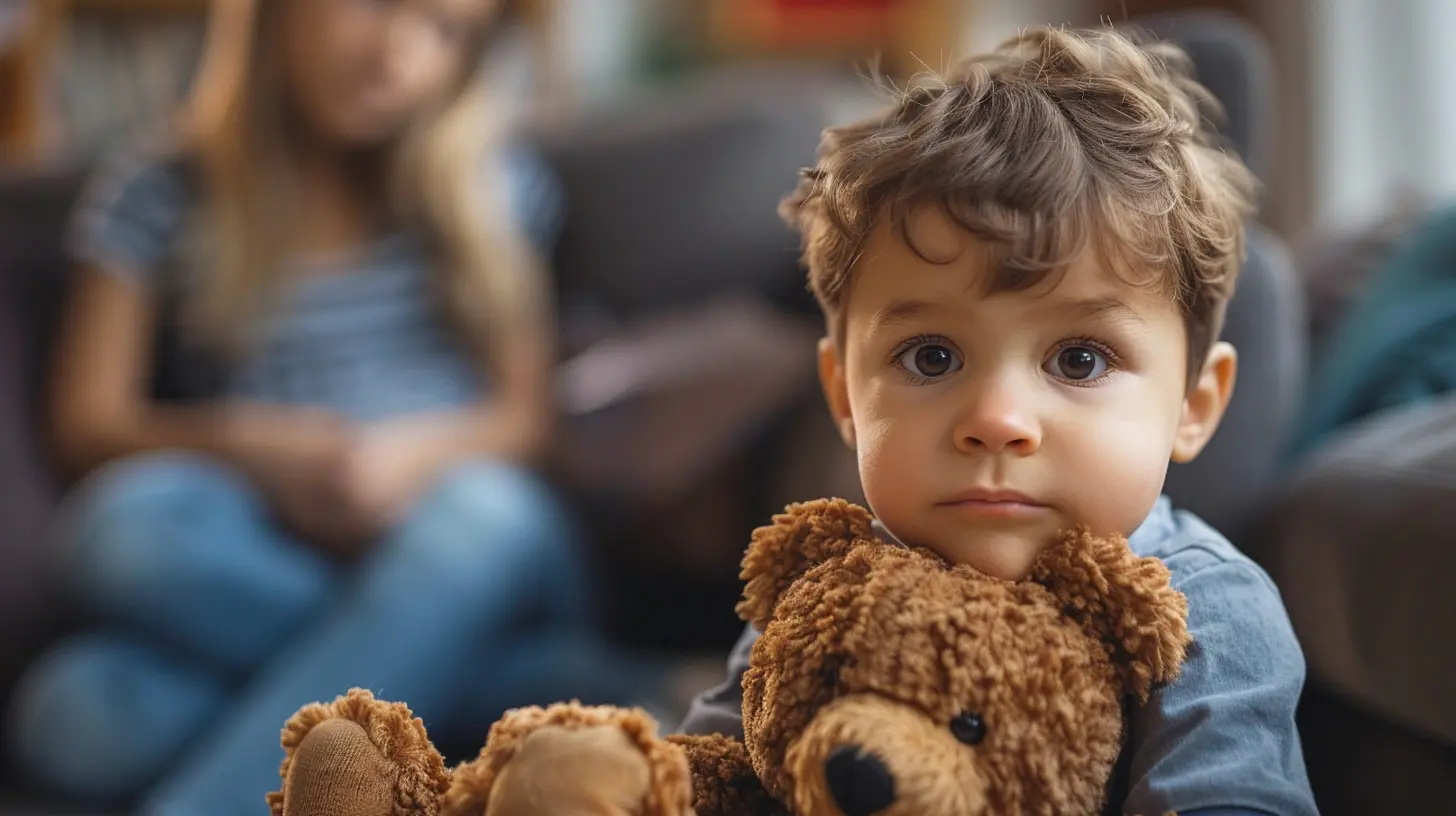
The Role of Parents in Family Therapy
Parents are the backbone of family therapy. Their involvement and willingness to learn, adapt, and grow directly impact the success of the process.What Parents Can Expect in Therapy
- Self-reflection – Understanding their own reactions, emotions, and parenting styles.- Learning new strategies – Exploring more effective ways to support their child.
- Practicing patience – Change takes time, and consistency is key.
- Improving emotional awareness – Recognizing how their words and actions influence their child’s mental health.
When parents actively engage in therapy, they model healthy behaviors, which their children then learn and adopt.
Does Family Therapy Work?
Absolutely. Research has shown that family therapy is highly effective in treating childhood psychological disorders. When the entire family commits to the process, the results can be life-changing.Children in supportive family environments experience:
- Reduced anxiety and depression symptoms
- Improved behavior and social skills
- Stronger relationships with family members
- Better academic performance and self-esteem
But here’s the catch—success requires effort from everyone. Family therapy isn’t a magic fix; it’s a process that demands commitment, practice, and patience.
Final Thoughts
When a child struggles with a psychological disorder, the entire family is impacted. Instead of placing the burden on the child alone, family therapy brings everyone to the table, fostering understanding, communication, and healing.If you’re a parent or guardian feeling overwhelmed by your child’s challenges, remember this: You don’t have to do it alone. Family therapy can provide the guidance, tools, and support needed to create a healthier, happier home for everyone.
At the end of the day, family therapy isn’t just about “fixing” a child’s issues—it’s about building a foundation of love, support, and resilience that lasts a lifetime.
all images in this post were generated using AI tools
Category:
Psychological Disorders In ChildAuthor:

Eliana Burton
Discussion
rate this article
2 comments
Lilith McBride
Family therapy is vital in addressing childhood psychological disorders, fostering communication, strengthening relationships, and involving caregivers in the healing process for lasting change.
March 6, 2026 at 4:30 AM
Eliana Burton
Thank you for your insightful comment! I agree that family therapy plays a crucial role in fostering communication and strengthening relationships, which are essential for effective treatment of childhood psychological disorders.
Luna Black
This article beautifully emphasizes the profound impact family therapy can have on childhood psychological disorders. By fostering open communication and understanding, families can create a nurturing environment that supports healing. Thank you for highlighting such an essential approach to mental health.
February 9, 2026 at 3:48 PM
Eliana Burton
Thank you for your insightful comment! I'm glad you found the article highlights the importance of family therapy in supporting children’s mental health.