The Connection Between Body Image and Anxiety Disorders
24 March 2026
Let’s be honest—most of us have, at some point, stood in front of a mirror and scrutinized our reflection. Maybe you’ve found yourself wishing you looked a little different, or you’ve been caught up in the never-ending comparison game with people on social media. The truth is, the way we see our own bodies can have a profound impact on our mental health. But did you know that negative body image is often closely linked with anxiety disorders?
In this article, we’ll dive deep into the connection between body image and anxiety disorders, exploring how they intertwine and affect one another. Let’s also talk about why this matters and, more importantly, what we can do to address it.
What Is Body Image?
Before we go any further, let’s clarify what we mean by "body image." Body image refers to how you perceive your own body—whether that’s your size, shape, or appearance in general. It's not just about how you look in the mirror or in photos, but also how you feel about your body.Some people have a positive body image, meaning they feel good about their appearance, and others have a negative body image, where they feel dissatisfied with how they look. Unfortunately, in today’s appearance-obsessed society, struggling with body image issues is incredibly common.
But why does this matter? Well, body image isn’t just about vanity. It’s deeply connected to your emotional well-being and mental health.
The Link Between Body Image and Anxiety Disorders
Now, let's talk about anxiety disorders. Anxiety is more than just feeling nervous or stressed—it’s a persistent feeling of worry or fear that doesn’t go away and can interfere with everyday life. The relationship between body image and anxiety is complicated, but let’s break it down.1. The Impact of Negative Body Image on Anxiety
People who struggle with negative body image often experience higher levels of anxiety. Why? Because when you’re constantly worried about your appearance, it can lead to feelings of insecurity, fear of judgment, and even social isolation.Think about it—if you're always worried that others are judging your appearance, going outside or attending social events can feel like a nightmare. This kind of worry can spiral into full-blown anxiety, where you start avoiding situations that make you feel self-conscious. It becomes a self-feeding cycle, where the more you worry about your body, the more anxious you become, and the more anxious you are, the worse you feel about your body.
2. Social Media: A Breeding Ground for Body Image Anxiety
Let's not sugarcoat it—social media can be a minefield when it comes to body image. Every time you scroll through Instagram or TikTok, you're bombarded with images of people who seem to have the “perfect” body. Filters, Photoshop, and curated feeds make it easy to forget that what you're seeing isn't always reality.Unfortunately, constantly comparing yourself to these idealized images can lead to body dissatisfaction and, you guessed it, anxiety. You might find yourself obsessing over how you don’t measure up, and this can trigger or worsen anxiety disorders, particularly in younger generations.
3. Body Image-Related Anxiety Disorders: Social Anxiety and BDD
Some individuals may even develop specific anxiety disorders related to how they feel about their body. Social anxiety disorder, for instance, can be heavily influenced by body image concerns. People with this disorder often worry excessively about being judged or embarrassed in social situations, and appearance-related worries may amplify these fears.A more severe condition is Body Dysmorphic Disorder (BDD). This is when someone becomes obsessively preoccupied with perceived flaws in their appearance—even if those flaws are minor or nonexistent. People with BDD may spend hours each day focused on their appearance, leading to extreme anxiety, depression, and even suicidal thoughts.
4. The Physical Effects of Anxiety on the Body
Here's where things get really tricky: anxiety doesn't just affect your mind—it also takes a toll on your body. Anxiety can cause physical symptoms like stomach problems, headaches, and even weight changes. And when your body starts to react physically to anxiety, it can worsen your body image.For example, someone who is anxious may start gaining or losing weight due to stress eating or a lack of appetite. This can make them feel even worse about their appearance, creating a vicious cycle where anxiety worsens body image, and negative body image worsens anxiety.
The Role of Societal and Cultural Pressures
It's no secret that society has a major influence on body image. From a young age, we’re bombarded with messages about what the “ideal” body should look like. Whether it's through magazines, movies, or even ads, we're constantly told that being thin, toned, tall, and flawless is the ultimate goal.These unrealistic beauty standards can create immense pressure to look a certain way, and when people can't meet these expectations, it can lead to feelings of failure, shame, and—you guessed it—anxiety.
What’s more, certain cultures may place even more importance on appearance, heightening the pressure to conform to a specific body type. This can make people feel like they’re constantly falling short, which only fuels their anxiety.
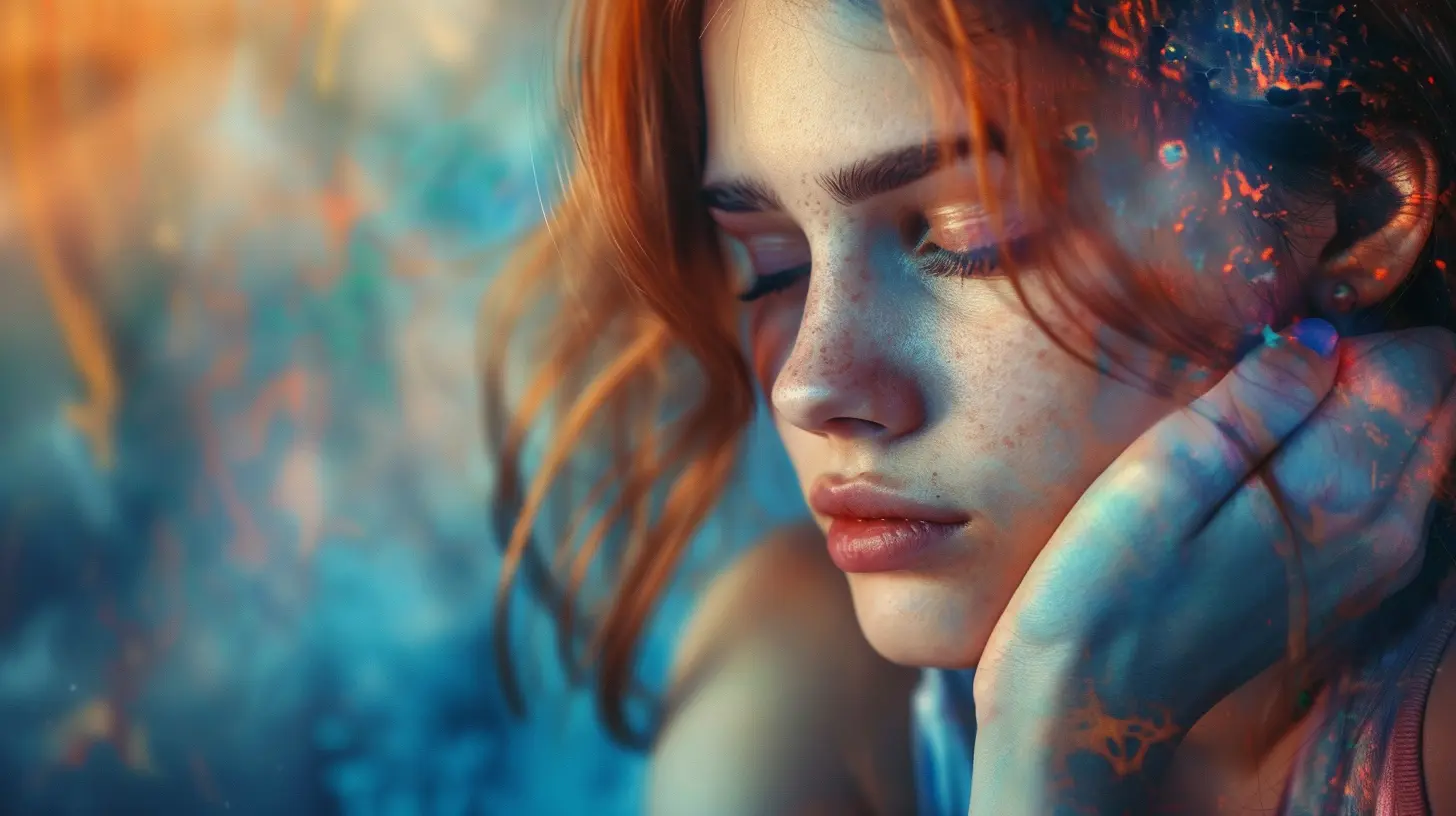
Gender Differences: Are Women More Affected?
While body image issues can affect anyone, research shows that women are more likely to struggle with body dissatisfaction and its link to anxiety. Women are often subjected to more societal pressure to look a certain way, and the media frequently reinforces the idea that a woman’s worth is tied to her appearance.However, that doesn’t mean men are immune. In recent years, there's been growing awareness about how men also experience anxiety related to body image, especially concerning muscle mass and physical fitness. The rise of “gym culture” and the pressure to have a chiseled physique can lead men to feel anxious or insecure about their bodies as well.
The Role of Perfectionism
Another key factor in this connection is perfectionism. Many people who struggle with body image are also perfectionists. They hold themselves to incredibly high standards—often unrealistic ones—when it comes to their appearance.When they inevitably fall short of these unattainable goals, it can trigger anxiety and self-loathing. Perfectionism can lead people to constantly criticize themselves and feel like nothing they do is ever good enough, further deepening the connection between body image and anxiety.
How to Break the Cycle: Improving Body Image and Reducing Anxiety
Now that we’ve explored the connection between body image and anxiety disorders, let’s talk about what can be done to improve this situation. The good news is that it’s possible to work on both your body image and your anxiety.1. Practice Self-Compassion
First and foremost, it's important to practice self-compassion. Instead of beating yourself up for not meeting some unrealistic standard, try to treat yourself with kindness. Think about it—if you wouldn’t say something to a friend, why say it to yourself?2. Limit Social Media Exposure
Social media can be a breeding ground for comparison and insecurity. One way to protect your mental health is to limit how much time you spend on these platforms. Alternatively, try following accounts that promote body positivity and self-acceptance. Remember, your worth is not defined by how you look in a filtered, edited photo.3. Focus on What Your Body Can Do, Not Just How It Looks
Rather than fixating on how your body looks, try shifting your focus to what your body can do. Whether it’s running, dancing, or simply getting through the day, your body is capable of amazing things. Cultivating gratitude for your body’s abilities can help improve your body image and reduce anxiety.4. Seek Professional Help
If you’re struggling with body image issues and anxiety, it might be helpful to talk to a therapist. Cognitive-behavioral therapy (CBT) and other forms of therapy can help you challenge negative thoughts about your body and manage your anxiety in a healthier way.5. Practice Mindful Awareness
Mindfulness can help you become more aware of your thoughts without getting caught up in them. By practicing mindfulness, you can observe your negative thoughts about your body without letting them control your emotions.Final Thoughts
The connection between body image and anxiety disorders is complex, but understanding that these two issues are often intertwined is the first step toward healing. By being kinder to ourselves, limiting our exposure to unrealistic standards, and seeking help when necessary, we can begin to break the cycle of negative body image and anxiety.Remember, you are so much more than your appearance. Your worth isn’t defined by the size of your jeans or the number of likes on a photo—it’s defined by who you are as a person. And that’s something no mirror or Instagram feed can ever change.
all images in this post were generated using AI tools
Category:
Body ImageAuthor:

Eliana Burton
Discussion
rate this article
2 comments
Noora Rios
Looks like our minds and bodies are in a perpetual game of tug-of-war! When body image issues hit, anxiety swoops in like an overzealous coach. Remember, folks, self-love is the ultimate power-up—no gym membership required!
April 6, 2026 at 3:18 PM
Eliana Burton
Absolutely, it's a tough battle. Embracing self-love can truly shift that dynamic. Thanks for sharing your thoughts!
Darby Jones
Exploring the link between body image and anxiety highlights crucial mental health insights.
March 25, 2026 at 4:05 AM
Eliana Burton
Thank you for your insight! Understanding this link is essential for promoting mental well-being.