The Psychological Effects of Chronic Illness
11 December 2025
Living with a chronic illness is like having an uninvited guest who overstays their welcome—forever. They eat your snacks, make you cancel plans, and worst of all, they completely ignore personal space. But beyond the physical pain, fatigue, and medical bills stacking higher than your laundry pile, chronic illness takes a serious toll on mental health.
Let’s dive into the psychological effects of chronic illness—why it feels like an emotional rollercoaster, how it messes with your mind, and what you can do to keep your sanity intact.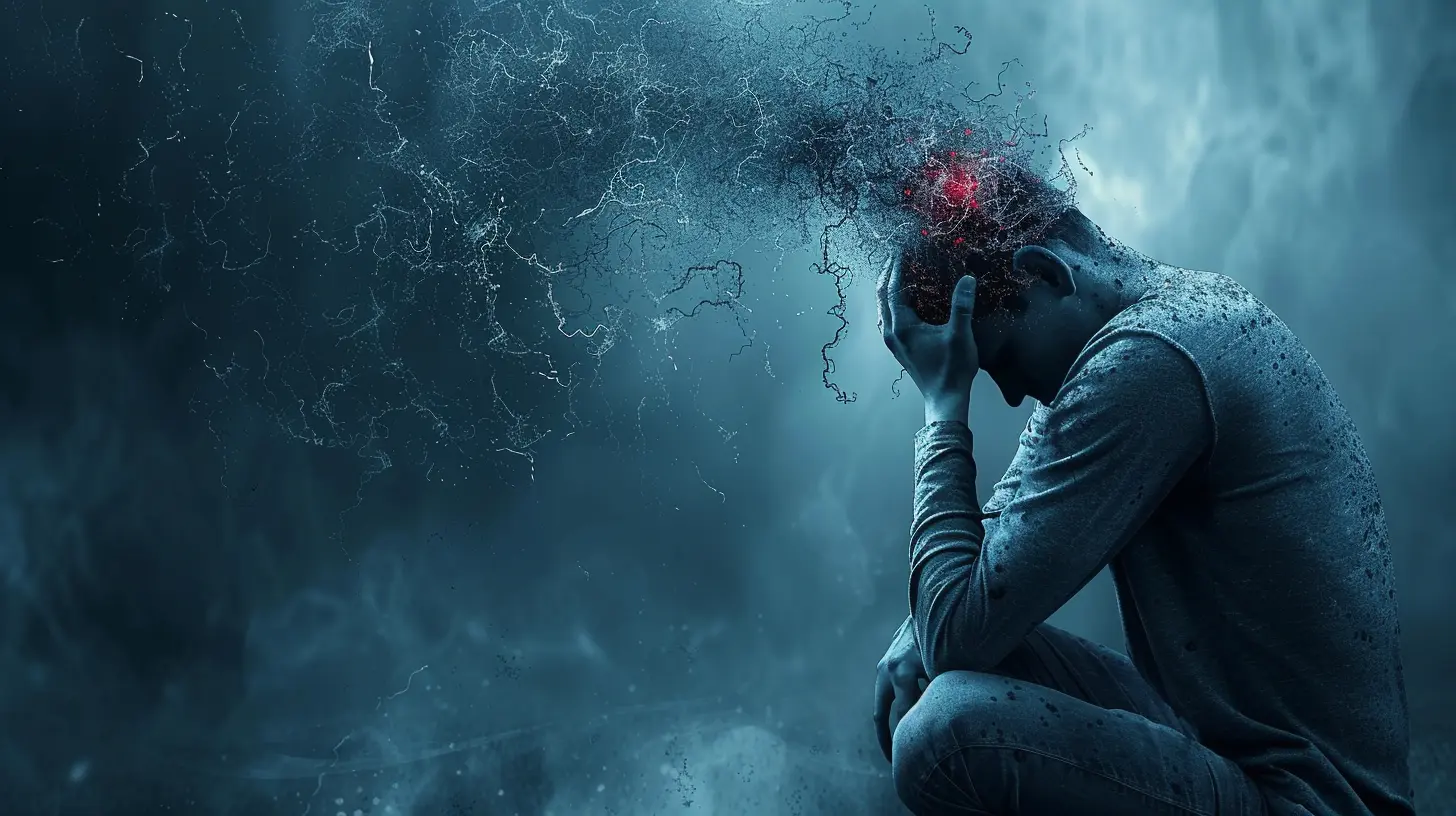
1. The Emotional Tug-of-War: Anxiety and Depression
When your body decides to throw a never-ending tantrum, it’s no surprise that your brain follows suit. A huge chunk of people with chronic illnesses develop anxiety and depression. Why? Because nothing says "stressful" like unpredictable symptoms and a healthcare system that sometimes feels like a maze designed by a particularly evil wizard.- Anxiety: When your symptoms flare up, your brain goes into hyperdrive. Will this get worse? How will I manage tomorrow? What if my doctor thinks I’m being dramatic? It’s like having a tiny, overly dramatic narrator in your head, constantly predicting doom.
- Depression: The exhaustion, the isolation, the “why me?” moments—it’s enough to make anyone feel down. When your illness limits your ability to do the things you love, it can feel like a never-ending cycle of disappointment.
How to Cope
- Therapy can work wonders (yes, even the kind over Zoom where your cat inevitably disrupts).- Meditation and mindfulness help tame the mental chaos.
- Journaling can get those feelings out instead of letting them simmer like a pot about to boil over.
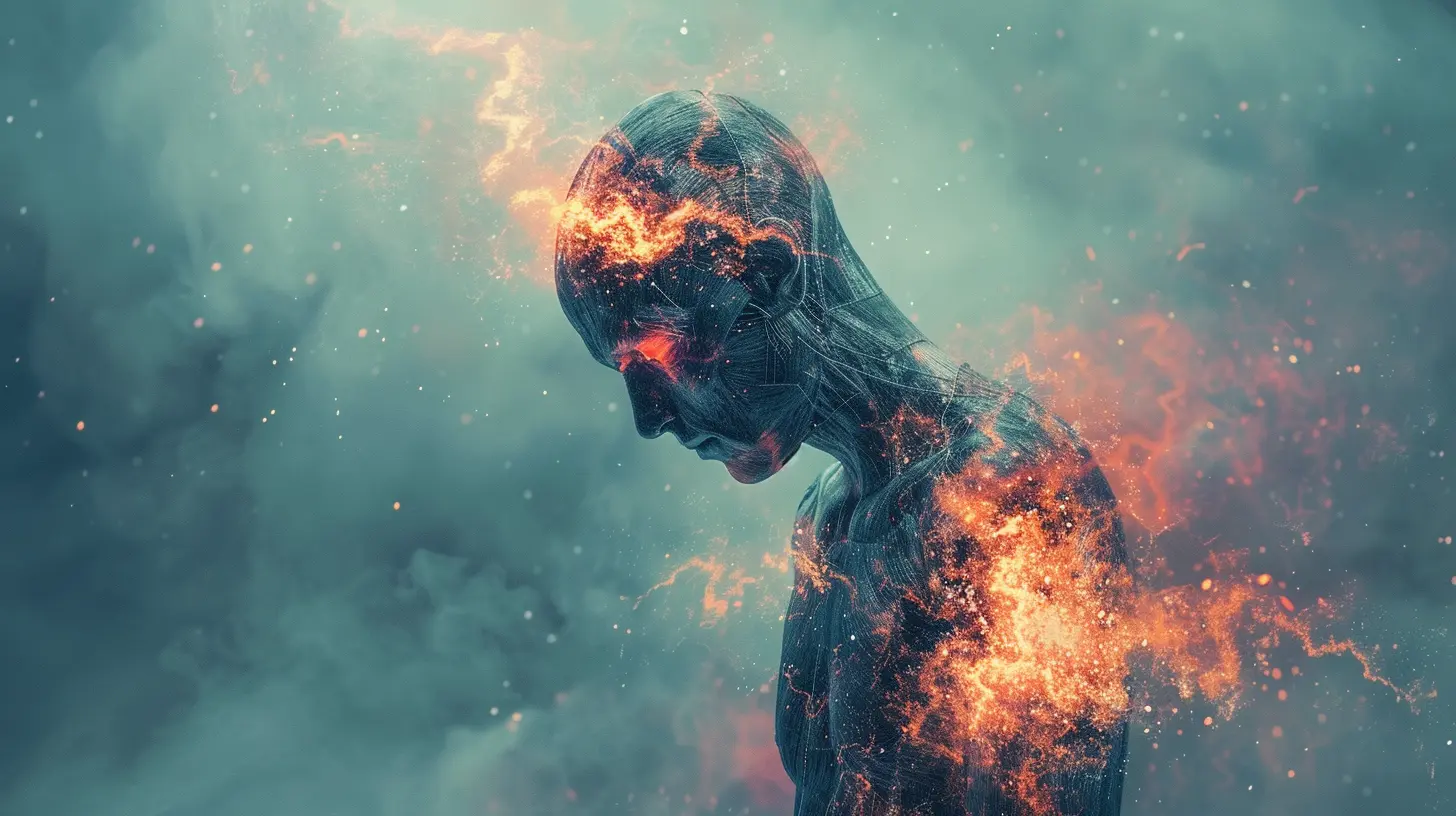
2. The Identity Crisis: Who Even Am I Anymore?
Before chronic illness, you might have been the life of the party, the gym junkie, or the spontaneous road-tripper. Now, your plans revolve around energy levels, accessibility, and whether your body decides to cooperate.This shift often leads to a full-blown identity crisis. You’re still you… but you’re also managing a condition that probably wasn’t on your five-year plan.
How to Cope
- Redefine your identity beyond what you can or can’t do physically.- Find new passions that fit within your current limits (adaptive hobbies are a thing!).
- Connect with others who get it—online communities can be a lifesaver.

3. The Isolation Trap: Where Did Everyone Go?
One of the worst side effects of chronic illness? Feeling like you’re on an island, and not the fun, tropical kind with unlimited piña coladas.Friends may not always understand why you cancel plans last-minute, family members might minimize your pain (“You just need to exercise more!”—thanks, Karen), and even doctors can sometimes dismiss your concerns.
How to Cope
- Educate your inner circle (but, let’s be real, some people still won’t get it, and that’s not your fault).- Make new connections with people who don’t need a two-hour PowerPoint presentation to understand your struggles.
- Social media & support groups can be a blessing. Instagram and TikTok have entire communities dedicated to chronic illness warriors!

4. Medical Gaslighting and the Mental Toll
Ever had a doctor shrug off your symptoms like they’re a minor inconvenience instead of a daily nightmare? Welcome to the club no one wants to be in: Medical Gaslighting Anonymous.Being constantly dismissed or misdiagnosed can shake your confidence, make you second-guess yourself, and even lead to medical PTSD. It’s mentally exhausting to keep fighting for proper care when the system feels rigged against you.
How to Cope
- Bring a friend or advocate to appointments.- Keep a symptom diary—hard to argue with written evidence!
- Don’t be afraid to switch doctors. You deserve decent care.
5. The Fatigue Struggle: Mental Fog & Brain Drain
Brain fog is like trying to think through molasses. Simple tasks feel Herculean. You forget words mid-sentence. You walk into a room and wonder why you’re there. (Plot twist: You’ll never remember.)This mental exhaustion can lead to frustration, self-doubt, and feeling downright incompetent—even though it’s just your brain running on low battery mode.
How to Cope
- Embrace lists & reminders like your life depends on them.- Prioritize rest—seriously, naps are underrated.
- Be kind to yourself when your brain decides to take an impromptu vacation.
6. The Guilt Monster: Feeling Like a Burden
Guilt is the sneaky little gremlin that creeps in when you feel like you’re “too much” for others. You hate canceling plans. You don’t want to ask for help. You feel like you should be doing more. Sound familiar?Newsflash: You are not a burden. Chronic illness is what’s burdensome, not you.
How to Cope
- Remind yourself: The people who truly care about you want to help.- Reframe your thinking—accepting help isn’t a weakness, it’s survival.
- Therapy (yes, again—it really does help).
7. The Unpredictability Factor: Living with Uncertainty
Living with a chronic illness is like playing a game with constantly changing rules. Some days you feel semi-normal, others you’re out of commission. Planning anything feels like making a dinner reservation at a restaurant that might be closed when you arrive.The uncertainty can make life really stressful. It can cause decision fatigue, make long-term commitments scary, and force you to live in a constant state of “wait and see.”
How to Cope
- Embrace flexibility—plans can always be adjusted.- Let go of the guilt around canceling or modifying things.
- Develop coping strategies for flare-ups, so you’re not scrambling when they hit.
8. Finding Joy Despite the Struggle
Chronic illness is tough, but life isn’t just about managing symptoms and fighting insurance companies. Finding moments of joy—small as they may be—can completely shift your perspective.How to Cope
- Focus on what you can do rather than what you’ve lost.- Celebrate small wins (yes, showering counts).
- Find humor where you can—laughter truly is great medicine.
Final Thoughts
Living with a chronic illness is no joke, even if you find ways to laugh through it. It challenges your body, your mind, and your relationships in ways you never expected. But through it all, you’re still you—resilient, strong, and deserving of love, support, and understanding.Some days will be hard, but remember: You’ve already survived 100% of your worst days. That’s a pretty great track record.
all images in this post were generated using AI tools
Category:
PsychologyAuthor:

Eliana Burton
Discussion
rate this article
2 comments
Thornefield Roberson
Thank you for addressing such an important topic. Chronic illness affects not just the body, but deeply impacts mental well-being. Your insights are valuable and much needed.
December 18, 2025 at 3:19 AM
Eliana Burton
Thank you for your kind words! I'm glad you found the insights valuable. Chronic illness indeed has a profound impact on mental health, and it's important to raise awareness about it.
Charlie McTigue
Chronic illness is like that clingy friend who doesn’t get the hint to leave—the emotional rollercoaster is real! Just remember, therapy is like a warm blanket on a cold day: comforting, even if it’s not plush. Hang in there, you’ve got this!
December 14, 2025 at 5:02 PM
Eliana Burton
Thank you for the insightful analogy! It perfectly captures the emotional challenges of chronic illness. Therapy can indeed provide much-needed support during this difficult journey.