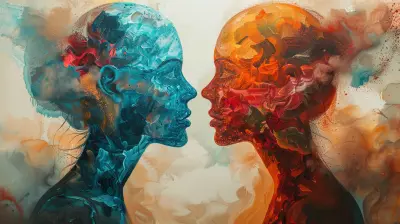
The Power of Vulnerability: Healing Emotional Scars
28 December 2025
We’ve all been there—bruised hearts, silent screams, and moments where we felt completely broken. That’s life throwing curveballs our way. But do you know what’s often tucked away in those raw, painful experiences? Power. Yep, you read that right. Incredible, transformative power. And it comes from one surprising source: vulnerability.
In a world that tells us to be strong, keep our chins up, and never let them see us sweat, embracing vulnerability sounds... well, kind of terrifying. But what if I told you that being vulnerable is actually the key to healing emotional wounds that have been silently bleeding for way too long?
Let’s dive deep into what vulnerability really is, how it affects us emotionally and psychologically, and how, when harnessed correctly, it can become a healing force stronger than any self-help book can promise.
What Exactly Is Vulnerability?
First things first—what do we even mean by "vulnerability"? Most people associate it with weakness. But that’s a major misconception.Vulnerability is simply the state of being open and exposed—especially emotionally. It means allowing others to see our true selves, our fears, our insecurities, and our emotional pain. Think of it as showing up emotionally naked in a world where everyone’s dressed in armor.
It’s saying “I’m hurting” when everyone expects you to say “I’m fine.” It’s choosing honesty over pretending. And you know what? That takes serious courage.
Why Do We Hide Our Scars?
So if vulnerability is so powerful, why do we run from it like it’s a haunted house?Here’s the thing—emotional pain comes with a side of shame. We’re taught that being strong means sucking it up and not letting it show. Crying is for babies. Talking about our trauma is “too much.” And showing weakness? Please, that’s the ultimate no-no.
From a young age, society trains us to build emotional fortresses. We put up walls to protect our hearts, afraid that if we let someone in, they’ll hurt us even more. And sure, those walls might keep out the pain, but they also lock in the trauma. It's like slapping a Band-Aid on a wound that really needs stitches—just hiding it doesn’t mean it’s healed.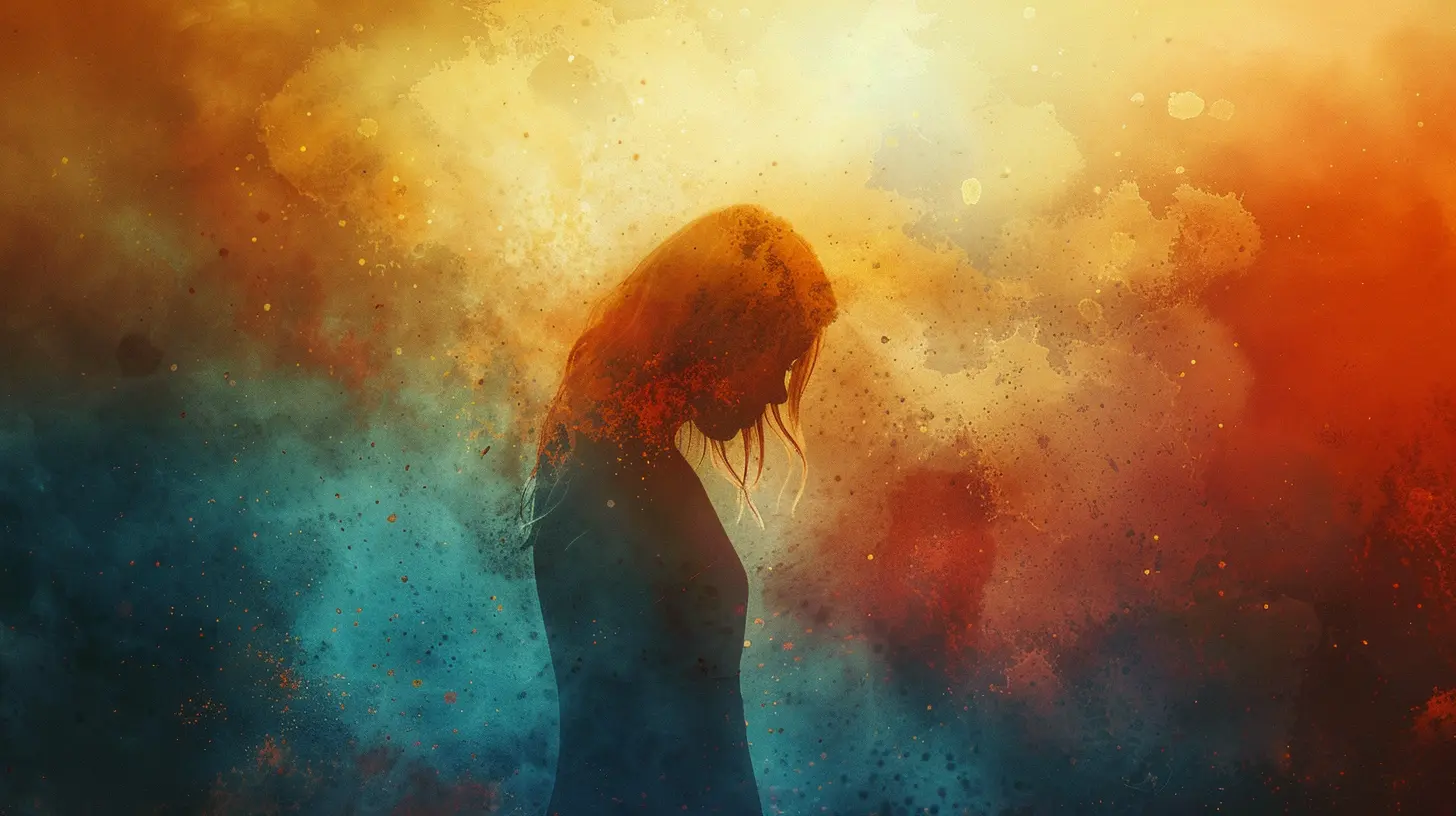
The Psychology Behind Emotional Scars
Let’s get nerdy (just for a moment). Emotional scars form when we go through painful experiences that leave a lasting impact on our psyche. Maybe it was a bad breakup, childhood neglect, betrayal by someone you trusted, or just years of not feeling good enough.These experiences leave behind emotional residue—unresolved feelings like fear, guilt, shame, or anger. Over time, if not addressed, they can shape how we view ourselves and how we connect with others. You might start to think:
- “I’m not lovable.”
- “People always leave.”
- “I can’t trust anyone.”
These beliefs become your internal script, and you keep playing it on repeat.
But guess what? Vulnerability disrupts that script. It lets you overwrite those negative beliefs with something truer, something kinder.
Vulnerability as a Bridge to Healing
Here’s where the magic happens. Vulnerability isn’t just about sharing your pain; it’s about owning it. When you open up about your emotional scars, you start to take back control. You’re not hiding anymore. You’re not pretending. You’re showing up—real, raw, and ready.Let’s look at how this opens the door to healing:
1. It Builds Authentic Connections
When you let people in—really in—you create deeper, more genuine relationships. Why? Because you’re showing them your real self, not the edited version. And more often than not, when you’re brave enough to say, “Hey, I’m struggling,” someone else says, “Me too.”That moment of connection? It’s like emotional CPR. It reminds you that you’re not alone, and sometimes, that's the most healing thing of all.
2. It Releases Suppressed Emotions
Bottling up emotions is like shaking a soda can—eventually, it’s going to explode. Vulnerability gives you a safe way to release that pressure. Whether it’s through talking, crying, writing, or even therapy, expressing your emotions helps you process them rather than bury them.3. It Fosters Self-Acceptance
Once you stop hiding the parts of you that hurt, you start accepting them. And in doing so, you begin to accept yourself. Scars and all. That’s huge. Because healing doesn’t start with changing who you are—it starts with embracing who you are, including your broken bits.Common Myths About Vulnerability (And Why They’re Wrong)
Let’s bust a few myths while we’re at it:- Myth #1: Vulnerability is weakness. Nope. It’s strength in its most honest form.
- Myth #2: Being vulnerable means oversharing. Vulnerability is about authenticity, not dumping your life story on strangers.
- Myth #3: People will judge me. Maybe. But the right people—the ones worth keeping—will respect your honesty and meet you with empathy.
Don’t let these myths fool you. Vulnerability isn’t the enemy. It’s the doorway to everything you truly want—connection, love, self-worth, peace.
Practicing Vulnerability in Everyday Life
Okay, we’ve talked about why vulnerability is powerful. But how do you actually start being vulnerable, especially if it makes your anxiety shoot through the roof?Here are some practical steps:
1. Start with Yourself
Before you can be vulnerable with others, you have to be honest with yourself. Take time to journal, reflect, or just sit with your emotions. Ask yourself:- What am I really feeling?
- What am I afraid to admit?
- What do I need that I’m not asking for?
Your answers become the seeds of your healing journey.
2. Choose Safe People
Not everyone deserves access to your story. Pick people who are empathetic, trustworthy, and non-judgmental. Start small—maybe share a fear or a feeling—and see how they respond. Safety first, always.3. Use “I” Statements
When you share, focus on your experience. Say things like, “I felt hurt when…” or “I’m struggling with…” This keeps the conversation rooted in your truth and prevents blame or defensiveness.4. Set Boundaries
Vulnerability doesn’t mean being an emotional open book 24/7. It means knowing when and how to share—and when to protect your peace.Vulnerability + Therapy = Emotional Healing
Let’s get real—sometimes we need a little extra help. Therapy is an incredible space to practice vulnerability in a structured, safe environment. A good therapist can help you:- Identify emotional scars
- Unpack their root causes
- Reframe harmful beliefs
- Develop coping strategies
Think of therapy like emotional physical therapy. You’re not just talking—you’re retraining your emotional muscles to work in healthier, more adaptive ways.
The Ripple Effect of Vulnerability
When one person decides to be vulnerable, it gives others permission to do the same. It’s contagious in the best possible way. You never know who needs to hear your story until you share it.Your vulnerability can heal not just yourself, but also the people around you. It can break generational patterns, redefine relationships, and create environments where emotional honesty is celebrated, not shamed.
Real Talk: It’s Not Always Easy
Let’s not sugarcoat it—being vulnerable can hurt. It’s uncomfortable. Sometimes it backfires. But the alternative? A life lived behind walls so thick no one can reach you—not even yourself.And here’s the truth: vulnerability is a muscle. The more you use it, the stronger it gets. Start small, be consistent, and remind yourself: Healing isn’t linear. You’ll have setbacks. You’ll have breakthroughs. But every time you show up as your unfiltered self, you’re making progress.
Final Thoughts
The power of vulnerability lies in its raw authenticity. It’s about choosing connection over isolation, honesty over hiding, and healing over hurting in silence. Emotional scars may shape us, but they don’t define us. When we dare to be vulnerable, we give ourselves the permission to heal, to grow, and to love again—fully and fearlessly.So take off the armor, friend. Let yourself be seen. Your scars are not your shame; they’re your strength.
all images in this post were generated using AI tools
Category:
Emotional HealingAuthor:

Eliana Burton
Discussion
rate this article
2 comments
William McVeigh
This article beautifully captures the essence of vulnerability. It's a reminder that embracing our scars can lead to profound healing and connection. Thank you for sharing such an important message!
February 6, 2026 at 3:49 AM
Eliana Burton
Thank you for your kind words! I'm glad the article resonated with you and highlights the importance of embracing vulnerability for healing.
Ava Wilkerson
Thank you for this insightful article. Embracing vulnerability truly fosters healing and personal growth in our emotional journeys.
December 29, 2025 at 4:20 PM
Eliana Burton
Thank you for your kind words! I'm glad you found the article helpful in exploring the healing power of vulnerability.