The Influence of Screen Time on Childhood Mental Health
7 January 2026
In today’s digital age, screens are everywhere. From smartphones and tablets to TVs and laptops, children are constantly surrounded by screens. It's hard to imagine a world where kids don't have access to these devices. But with this constant exposure, many parents and healthcare professionals are asking an important question: How does all this screen time actually impact kids' mental health?
We’ve all heard the warnings: too much screen time can be bad for children, but how bad is it really? And more importantly, what can we do about it? In this article, we’ll explore the various ways screen time influences childhood mental health, the signs to look out for, and practical steps you can take to maintain a healthy balance.

The Rise of Screen Time in Children's Lives
Let's face it—screens have become an inseparable part of modern life. Whether it's for entertainment, education, or communication, kids are spending more time in front of screens than ever before. According to a report from Common Sense Media, children between the ages of 8 and 12 spend an average of 4-6 hours a day on screens, while teens can clock in upwards of 7 hours. And that’s not even counting schoolwork!With the rise of digital learning, especially post-pandemic, screens have also become integral to education. While this technology has its advantages, it's also clear that there’s a growing concern about how all this screen time is affecting children’s emotional and psychological well-being.
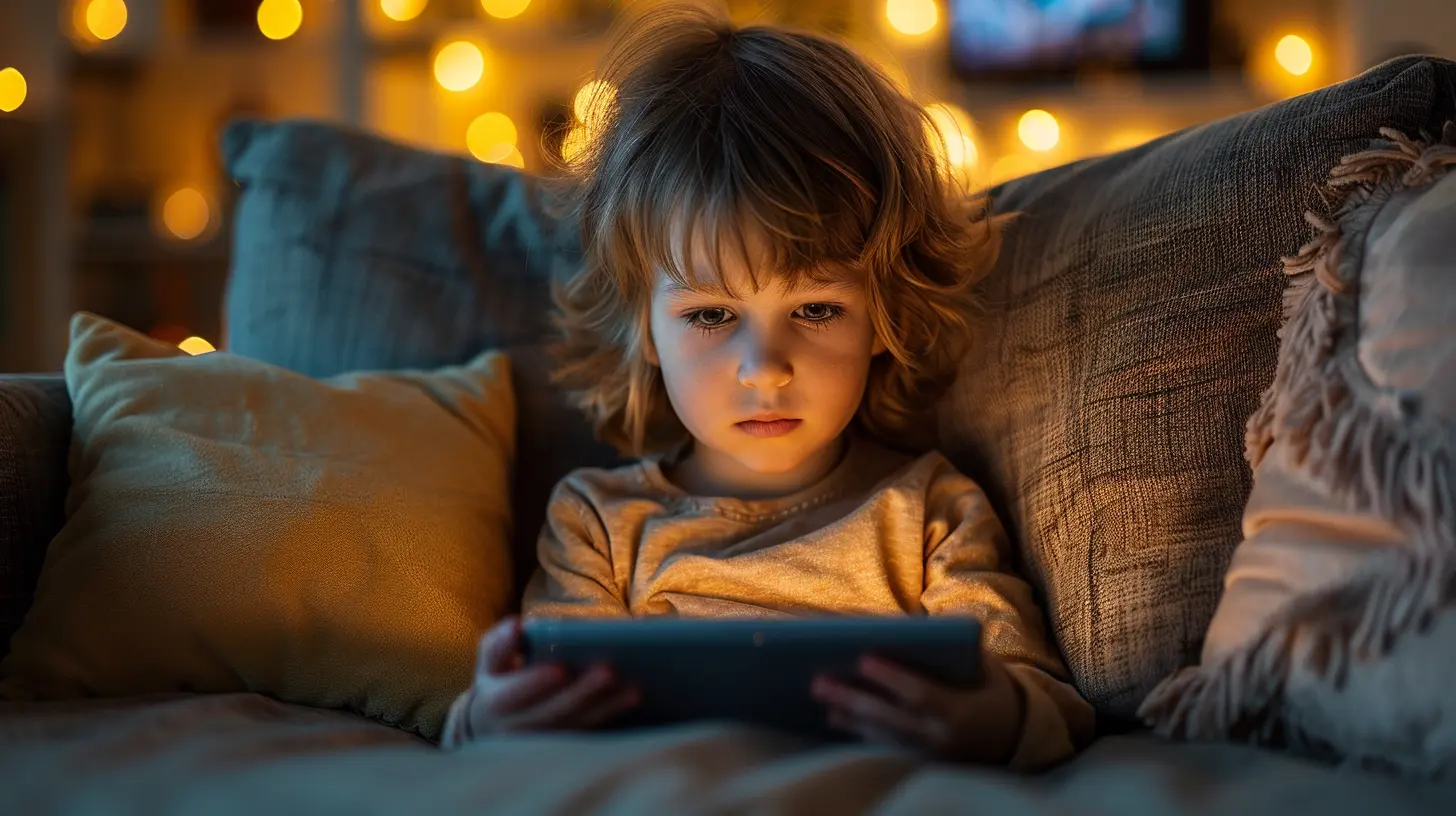
The Connection Between Screen Time and Mental Health
1. Increased Risk of Anxiety and Depression
Several studies have found a strong correlation between excessive screen time and mental health issues like anxiety and depression in children. When kids spend too much time on screens, especially engaging in passive activities like social media scrolling or binge-watching shows, they tend to become isolated. They may start comparing themselves to others, feeling inadequate, or fearing they’re missing out on something (hello, FOMO).Also, the blue light emitted by screens can interfere with sleep patterns, which in turn can exacerbate emotional difficulties. Ever noticed how cranky a child can get after a sleepless night? Lack of rest can intensify feelings of irritability, anxiety, and depression.
2. Impaired Social Skills Development
Children learn social skills by interacting with others. They develop empathy, cooperation, and communication skills through face-to-face interactions. However, when screen time replaces these real-life experiences, it may hinder their social development.Imagine a child spending hours playing video games or watching YouTube videos instead of playing outside with friends. Over time, they may struggle with reading social cues, managing emotions, or even holding a conversation. This can lead to feelings of loneliness or even social anxiety as they grow older.
3. Attention and Focus Issues
We've all noticed it—it’s hard to pull a kid away from their screen without a serious tantrum. This isn’t just because they’re having fun; it’s because screens are designed to be addictive. The constant stimulation from fast-paced games, instant notifications, and endless video content can make it difficult for children to focus on tasks that require sustained attention, like homework or reading a book.This excessive screen time, especially if it includes multitasking (like texting while watching TV), can result in attention deficits. Kids may find it harder to concentrate and may become easily bored by activities that aren’t as stimulating as what they experience on screens.
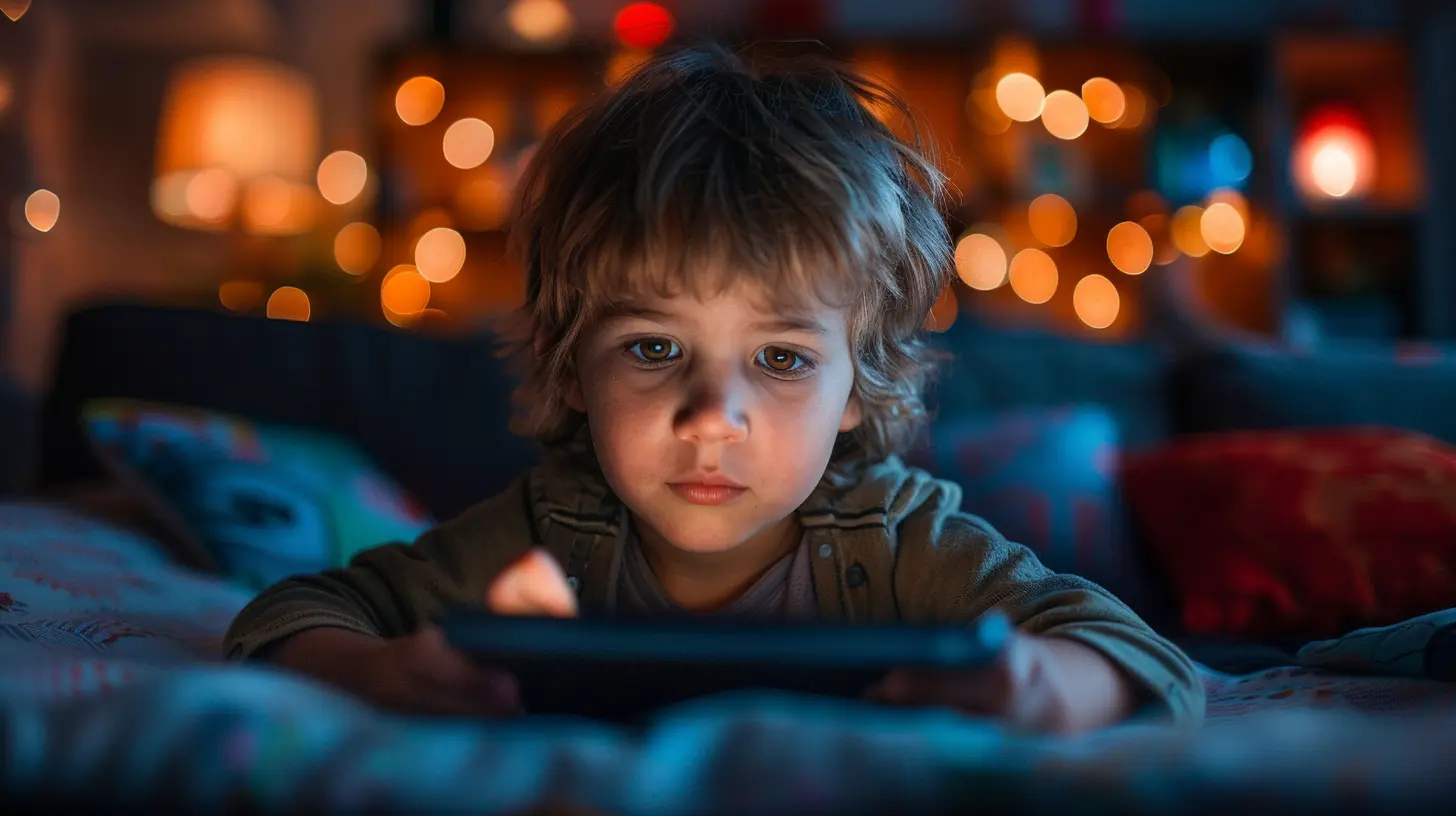
Physical and Psychological Effects of Prolonged Screen Time
1. Poor Sleep Quality
One of the most immediate effects of excessive screen time is poor sleep quality. Studies have shown that children who spend too much time on screens, especially before bedtime, take longer to fall asleep and have poorer sleep quality overall. This is largely due to the blue light emitted by screens, which suppresses melatonin production—the hormone responsible for regulating sleep.And bad sleep doesn’t just make kids tired; it affects their mood, concentration, and overall mental health. Imagine trying to function on just a few hours of sleep—now picture a child doing that regularly. Not good, right?
2. Increased Risk of Obesity
Sitting in front of a screen for hours on end doesn’t just affect a child’s mind—it impacts their body too. With all that sedentary activity, kids are at a higher risk of becoming overweight or obese. And here’s the kicker: obesity in kids has been linked to lower self-esteem and higher rates of depression. It’s a vicious cycle where one issue feeds into another, creating a snowball effect on their mental health.3. Impact on Self-Esteem
Social media, in particular, can have a profound impact on a child’s self-esteem. Platforms like Instagram and TikTok are filled with edited photos, highlight reels, and unrealistic beauty standards. When kids spend hours scrolling through these images, they may start to feel like they don't measure up.This constant comparison can lead to feelings of inadequacy, low self-esteem, and body image issues. And let’s not forget about cyberbullying, which can have devastating effects on a child’s mental health. The anonymity of the internet can sometimes bring out the worst in people, and children are often the targets.

Are All Screens Bad? (Spoiler: Not Really)
Okay, before you rush to throw out every device in your home, let’s pump the brakes a little. Not all screen time is bad. In fact, moderate use of screens can have benefits when used in the right way. Educational apps, for example, can help children develop critical thinking skills, learn new concepts, and even enhance creativity.The key here is balance. Not all screen time is created equal. Watching a documentary or playing an educational game isn’t the same as mindlessly scrolling through social media for hours. It’s all about how screens are used and for how long.
Finding the Right Balance: How to Manage Screen Time
So, what’s the solution? How can we reduce the negative impact of screens without throwing the baby out with the bathwater? Here are some practical tips for managing screen time and supporting your child’s mental health.1. Set Clear Limits
One of the best ways to manage screen time is by setting clear boundaries. The American Academy of Pediatrics recommends no more than one hour per day of screen time for children aged 2-5, and consistent limits for older kids. It’s also important to designate screen-free times, like during meals or before bed, to encourage more face-to-face interactions.2. Encourage Outdoor Play and Physical Activities
Children need to move their bodies! Encourage them to spend time outdoors, go for walks, or engage in sports. Physical activity is not only good for their physical health, but it also boosts their mood and cognitive function.3. Use Technology Mindfully
Instead of banning screens altogether, teach your child how to use them mindfully. Help them choose high-quality, educational content over mindless entertainment. Engage with them—ask questions and have discussions about what they’re watching or playing.4. Be a Role Model
Children learn by example. If they see you constantly glued to your phone, they’ll likely mirror that behavior. Set a good example by putting your devices away during family time and showing them that there’s a time and place for screens.5. Prioritize Sleep Hygiene
Make sure your child has a tech-free hour before bed to help them wind down. Encourage activities like reading a book or listening to calming music to prepare their body for sleep. Blue light filters on devices can help, but nothing beats turning off the screens altogether.
Conclusion: The Road to Healthy Screen Habits
In a world dominated by technology, it’s unrealistic to expect children to eliminate screen time entirely. But with the right balance and mindful usage, we can help protect their mental health while still allowing them to enjoy the many benefits that technology offers.Remember, it’s not about demonizing screens—it’s about creating healthy habits that will serve our children well into adulthood. So, the next time you see your child glued to their tablet, take a deep breath and ask yourself: How can we make this a healthier experience?
By setting boundaries, encouraging real-world interactions, and being mindful of content, we can help our children thrive in both the digital and physical worlds.
all images in this post were generated using AI tools
Category:
Psychological Disorders In ChildAuthor:

Eliana Burton
Discussion
rate this article
2 comments
Ulrich Whitaker
Screen time and kids—like peanut butter and jelly! Too much can get sticky, but a balanced approach can lead to some delicious creativity. Let's find that sweet spot for smiles and mental health!
February 18, 2026 at 5:49 PM
Eliana Burton
Absolutely! Striking a balance in screen time can nurture creativity while supporting mental health—a win-win for kids!
Ivy McVeigh
This article raises fascinating questions about screen time's impact on kids' mental health. What specific factors contribute to both positive and negative outcomes? Curious minds want to know!
January 21, 2026 at 5:28 AM
Eliana Burton
Thank you for your interest! Key factors include the type of content consumed, the amount of time spent on screens, interactive versus passive use, and the role of parental guidance. Balancing screen time with offline activities can help optimize mental health outcomes for kids.