The Power of Body Positivity Movements: Are They Enough?
16 July 2026
Body positivity has taken social media, mainstream media, and our conversations by storm. Everywhere you turn, there's encouragement to embrace all body shapes, sizes, and appearances. It's empowering, isn't it? Seeing people confidently embrace their uniqueness sends a strong message: you are enough as you are.
But here’s the big question—are body positivity movements truly making a difference? Or are they just scratching the surface of a deeply ingrained societal issue? Let’s dive into the power of body positivity, its impact, and whether it’s enough to create lasting change. 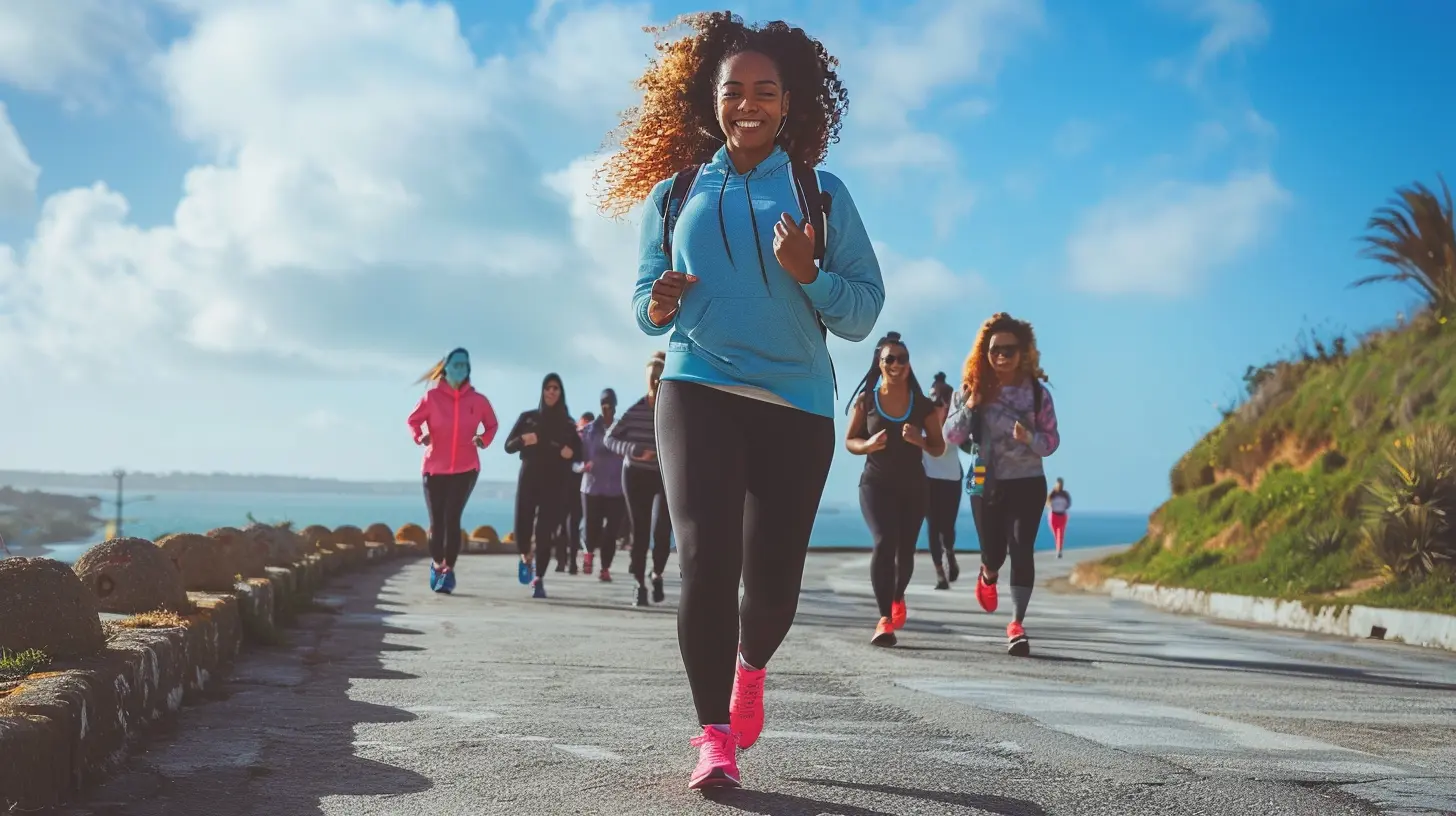
What is Body Positivity?
At its core, body positivity is about self-acceptance and challenging beauty standards. It promotes the idea that all bodies—regardless of size, shape, color, or ability—deserve respect and appreciation.The movement emerged as a response to unrealistic beauty standards that have pressured individuals, particularly women, to conform to a narrow definition of beauty. For decades, media glorified thin, "flawless" bodies, leaving many feeling unworthy or inadequate.
Body positivity fights back, saying, “Enough is enough! Everyone deserves to feel good in their own skin.” 
The Rise of the Body Positivity Movement
The body positivity movement isn't new. It traces its roots back to the 1960s when activists began advocating for the rights of marginalized bodies, including plus-sized individuals. But with social media’s rise, body positivity has gained mainstream attention like never before.Platforms like Instagram and TikTok are flooded with influencers and everyday people embracing their natural bodies—stretch marks, cellulite, scars, and all. Hashtags like #BodyPositivity, #SelfLove, and #AllBodiesAreGoodBodies encourage people to see beauty beyond societal norms.
Brands have caught on, too. Companies like Dove, Aerie, and Fenty Beauty now showcase diverse models, challenging the conventional standards of beauty. But here’s where things get tricky—how much of this is genuine, and how much is just marketing? 
The Benefits of Body Positivity
1. Improves Mental Health
For many, the body positivity movement has been life-changing. Seeing representation of different body types can boost self-esteem and reduce anxiety associated with body image. When society shifts from criticism to acceptance, individuals feel more confident in their own skin.2. Challenges Unrealistic Beauty Standards
Gone are the days when magazine covers were dominated by size-zero models. The movement has forced the fashion and beauty industries to embrace diversity—although there’s still a long way to go.3. Encourages Self-Love
At its best, body positivity reminds us that our worth isn’t defined by our weight, skin, or shape. It promotes the idea that confidence comes from self-acceptance, not fitting into unrealistic beauty ideals.
The Limitations of Body Positivity
As empowering as the movement is, it comes with its own set of challenges.1. Toxic Positivity
Body positivity can sometimes push an overly simplistic message—"just love yourself!" But for those struggling with body image issues, this isn't always realistic. Telling someone to automatically feel good about their body doesn’t erase years of conditioning or internalized shame.2. Exclusion of Certain Bodies
Ironically, some argue that the movement, which aims to be inclusive, still leaves out certain groups. While plus-size representation has improved, what about people with disabilities, skin conditions, or other differences? The body positivity movement sometimes unintentionally centers conventionally attractive, curvy bodies while leaving others behind.3. Co-Opted by Brands
Let's be real—body positivity has become a marketing tool for many brands. Some companies promote body love in their advertising but still edit photos or fail to carry inclusive sizing. This kind of superficial activism makes people question whether the movement is truly changing beauty culture or just repackaging it for profit.4. Pressure to Always Feel Positive
One of the biggest issues? It can feel exhausting! The pressure to constantly love every part of yourself can make people feel guilty if they have bad body image days. Some argue that body neutrality—a movement that focuses on appreciating your body for what it does rather than how it looks—might be a more sustainable approach.Is Body Positivity Enough?
The body positivity movement has undeniably sparked change, but is it enough? The truth is, while it’s a step in the right direction, it doesn’t fully tackle the root causes of body dissatisfaction.Society still upholds certain body types as "better" than others. Fatphobia, ableism, and Eurocentric beauty standards are deeply woven into media, fashion, and everyday life. Simply telling people to love themselves doesn’t dismantle the structures that perpetuate body shame.
A more holistic approach is needed. This includes:
- Body Neutrality: Accepting your body without obsessing over whether you love or hate it.
- Health at Every Size (HAES): Encouraging habits that focus on well-being rather than weight alone.
- Challenging Systemic Issues: Ending weight discrimination in healthcare, workplaces, and fashion.
- Educating Society on Body Diversity: Teaching younger generations that beauty isn’t one-size-fits-all.
Moving Forward: What Can We Do?
While the body positivity movement has done great things, we need to push for real change. Here are a few ways we can move beyond just "positivity" and toward true inclusivity and self-acceptance:1. Diversify Representation
Support media, influencers, and brands that showcase all body types—not just the “acceptable” ones. Representation matters, and seeing different bodies helps normalize diversity.2. Advocate for Policy Changes
Real change requires more than hashtags. Support policies that prevent discrimination based on size or appearance—whether in workplaces, healthcare, or fashion.3. Have Honest Conversations
Body image struggles are complex. Instead of pushing people to instantly “love” their bodies, create space for open discussions about self-acceptance, mental health, and societal pressures.4. Encourage Self-Compassion Over Perfection
Some days, you might not feel great about your body. And that’s okay! Moving toward self-compassion rather than forced positivity can create a healthier mindset.Final Thoughts
The body positivity movement has made waves, and its impact is undeniable. It’s helped countless individuals feel seen, heard, and valued. But as society evolves, so must our conversations about body acceptance.Is body positivity enough? Not entirely. But it’s a start. By embracing a broader perspective—one that includes body neutrality, systemic change, and self-compassion—we can create a world where all bodies are respected, regardless of whether they fit into beauty standards or not.
Because at the end of the day, your worth has nothing to do with the size of your jeans or the number on the scale. And that’s a truth that no beauty standard can ever take away.
all images in this post were generated using AI tools
Category:
Body ImageAuthor:

Eliana Burton
Discussion
rate this article
1 comments
Candice Franco
This article really highlights the importance of body positivity in shaping self-esteem and acceptance. While these movements have made great strides, there's still a long way to go. I appreciate the thoughtful insights on how we can continue to support this journey.
July 17, 2026 at 3:30 PM
Eliana Burton
Thank you for your thoughtful comment. I completely agree that while progress has been made, there's still much work to do in promoting body positivity and acceptance.