The Impact of Sleep on Mental Health: Tips for Better Rest
11 July 2026
Sleep—it's something we all need, yet so many of us struggle to get enough of it. Between work, family, and the endless scroll of social media, shutting down at night can feel impossible. But here’s the thing: sleep isn’t just about feeling rested. It plays a crucial role in our mental health.
If you’ve ever felt irritable after a poor night’s sleep or struggled to focus after pulling an all-nighter, you’ve experienced firsthand how sleep impacts brain function. But the effects go much deeper than grogginess. Poor sleep can fuel anxiety, worsen depression, and make it harder to manage stress.
The good news? Better sleep is within reach. Let’s dive into why sleep matters for mental health and some practical ways to improve your rest.
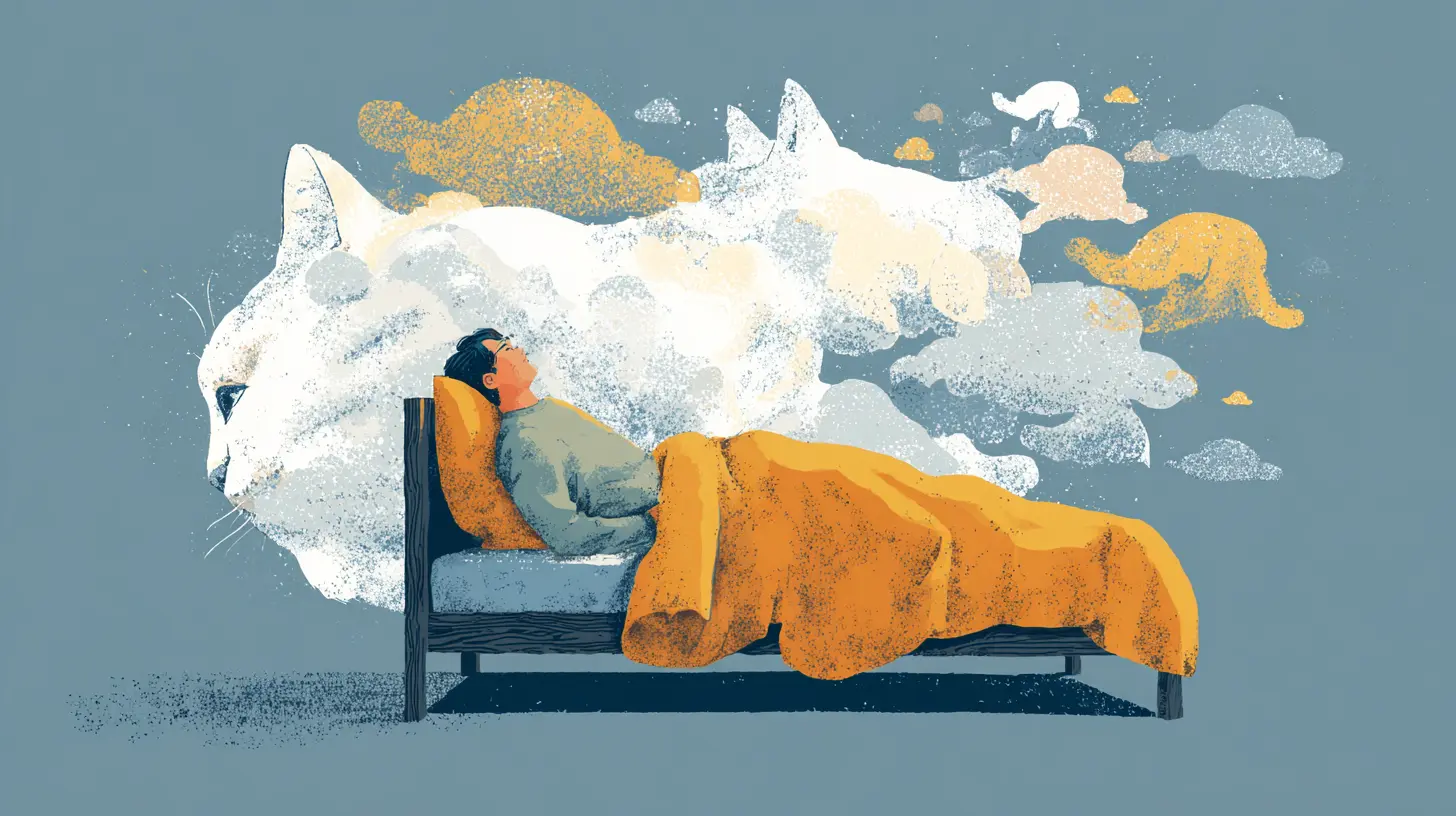
Why Sleep Is Essential for Mental Health
Ever wonder why you feel emotionally drained after a restless night? That’s because sleep and mental health are deeply connected. When we sleep, our brain works overtime to process emotions, consolidate memories, and regulate stress hormones. When we don’t get enough sleep, this system breaks down, leading to mood swings, difficulty concentrating, and increased anxiety.
1. Sleep and Emotional Regulation
Think about the last time you were sleep-deprived. Did you feel more impatient, stressed, or even snappy over the smallest inconveniences? That’s because sleep helps regulate our emotions. Without it, the brain’s emotional center, the amygdala, goes into overdrive, making us more reactive and less able to cope with stress.2. Sleep Deprivation and Mental Disorders
Chronic sleep deprivation is a breeding ground for mental health issues. Studies show that lack of sleep contributes to conditions like:- Anxiety disorders – Poor sleep increases cortisol levels (the stress hormone), making anxious thoughts even worse.
- Depression – Insomnia and depression often go hand in hand, creating a vicious cycle where poor sleep worsens depression, and depression makes it harder to sleep.
- Bipolar disorder – Sleep disturbances can trigger mood episodes, making it harder for individuals with bipolar disorder to maintain stability.
3. The Brain’s Nightly Cleanup
Sleep isn’t just about rest—it’s also when our brain detoxifies itself. Think of it like a nighttime janitor, clearing out toxins that build up while we’re awake. If we don’t get enough deep sleep, harmful substances accumulate, increasing the risk of neurodegenerative conditions like Alzheimer’s.
Tips for Better Rest and a Healthier Mind
If you’re struggling with restless nights, don’t worry—small changes can make a big difference. Here are some tried-and-tested tips to improve your sleep and, in turn, your mental well-being.1. Create a Relaxing Bedtime Routine
Your body loves routine. If you go to bed at different times each night, your internal clock gets confused. Establishing a relaxing pre-sleep ritual (like reading, meditating, or taking a warm bath) signals to your brain that it’s time to wind down.2. Limit Screen Time Before Bed
Scrolling through social media or binge-watching shows before bed might seem harmless, but blue light from screens suppresses melatonin, the hormone that helps you sleep. Try cutting off screens at least an hour before bed. If that feels impossible, use "night mode" on your phone to reduce blue light exposure.3. Keep Your Sleep Environment Comfortable
Your bedroom should be a sleep-friendly sanctuary. A few simple tweaks can make a big difference:- Keep it cool – A room temperature between 60-67°F (15-19°C) promotes better sleep.
- Block out noise and light – Use blackout curtains and earplugs if needed.
- Invest in a good mattress and pillows – If your bed isn’t comfortable, falling asleep can feel like a battle.
4. Watch What You Eat and Drink
That late-night coffee or heavy meal might be sabotaging your sleep. Caffeine and nicotine are stimulants that can keep you wired for hours, so try to avoid them at least 6 hours before bedtime. Alcohol, while seemingly relaxing, can actually disrupt deep sleep, leaving you groggy in the morning.5. Stay Active (But Not Too Close to Bedtime)
Regular exercise is a game-changer for sleep and mental health. It reduces stress, boosts mood, and improves overall sleep quality. Just avoid intense workouts right before bed, as they can have the opposite effect and leave you too energized to sleep.6. Manage Stress with Mindfulness
Racing thoughts are one of the biggest culprits behind sleepless nights. Practicing relaxation techniques like meditation, deep breathing, or journaling can help calm your mind before bed. Even something as simple as writing down tomorrow’s to-do list can reduce nighttime worrying.7. Stick to a Consistent Sleep Schedule
Your body loves consistency. Going to bed and waking up at the same time every day (yes, even on weekends) helps regulate your internal clock. Over time, your body will naturally start feeling sleepy when bedtime rolls around.8. Limit Naps During the Day
While a short nap can be refreshing, long or late-afternoon naps can throw off your nighttime sleep. If you need to nap, keep it under 30 minutes and before 3 PM.9. Seek Professional Help if Needed
If you’ve tried everything and still struggle with sleep, it might be time to seek professional help. Sleep disorders like insomnia, sleep apnea, or restless leg syndrome can severely impact sleep quality. A healthcare provider can help you identify underlying issues and find solutions tailored to your needs.
The Bottom Line
Sleep is more than just a break from the day's chaos—it's a necessity for mental health. When we get quality rest, we’re more resilient, emotionally balanced, and better able to tackle life’s challenges. On the flip side, poor sleep can wreak havoc on our mood, stress levels, and overall well-being.The best part? You have the power to improve your sleep starting tonight. By making small, intentional changes—like sticking to a nighttime routine, reducing screen time, and managing stress—you can enjoy better rest and a healthier mind.
So, why not give it a try? Your brain will thank you.
all images in this post were generated using AI tools
Category:
Mental Health AwarenessAuthor:

Eliana Burton
Discussion
rate this article
1 comments
Elizabeth Kirkland
Sleep is a powerful ally in our mental wellness journey. Prioritizing rest can transform our mood, resilience, and clarity. Embrace these tips to create a peaceful sleep routine. Remember, nurturing your mind begins with giving your body the downtime it deserves. Rest well and thrive!
July 17, 2026 at 2:27 AM
Eliana Burton
Absolutely! Sleep really does play a crucial role in our mental health. It's amazing how much better we feel after a good night's rest. Prioritizing sleep is a game changer.