The Ethics of Digital Mental Health Tools for Depression
21 November 2026
In recent years, digital mental health tools have gained traction as viable options for treating depression. From mobile apps to online therapy platforms, these tools have revolutionized the way individuals access mental health support. However, as with any emerging technology, ethical considerations are paramount. This article delves into the ethical implications of digital mental health tools for depression, exploring their benefits, limitations, and the responsibilities of developers and users alike.

Understanding Digital Mental Health Tools
What Are Digital Mental Health Tools?
Digital mental health tools are platforms or applications designed to support individuals dealing with mental health issues, including depression. These can range from self-guided therapy apps to teletherapy services connecting users with licensed therapists. Their growing popularity reflects a shift towards more accessible and often more affordable mental health care.How Do They Work?
Many digital mental health tools use evidence-based practices, such as cognitive-behavioral therapy (CBT), mindfulness strategies, or psychoeducation. By providing users with structured programs, these tools aim to help individuals recognize patterns in their thinking, manage symptoms, and develop coping strategies. Some apps employ algorithms to tailor content to the user's specific needs, enhancing personalization.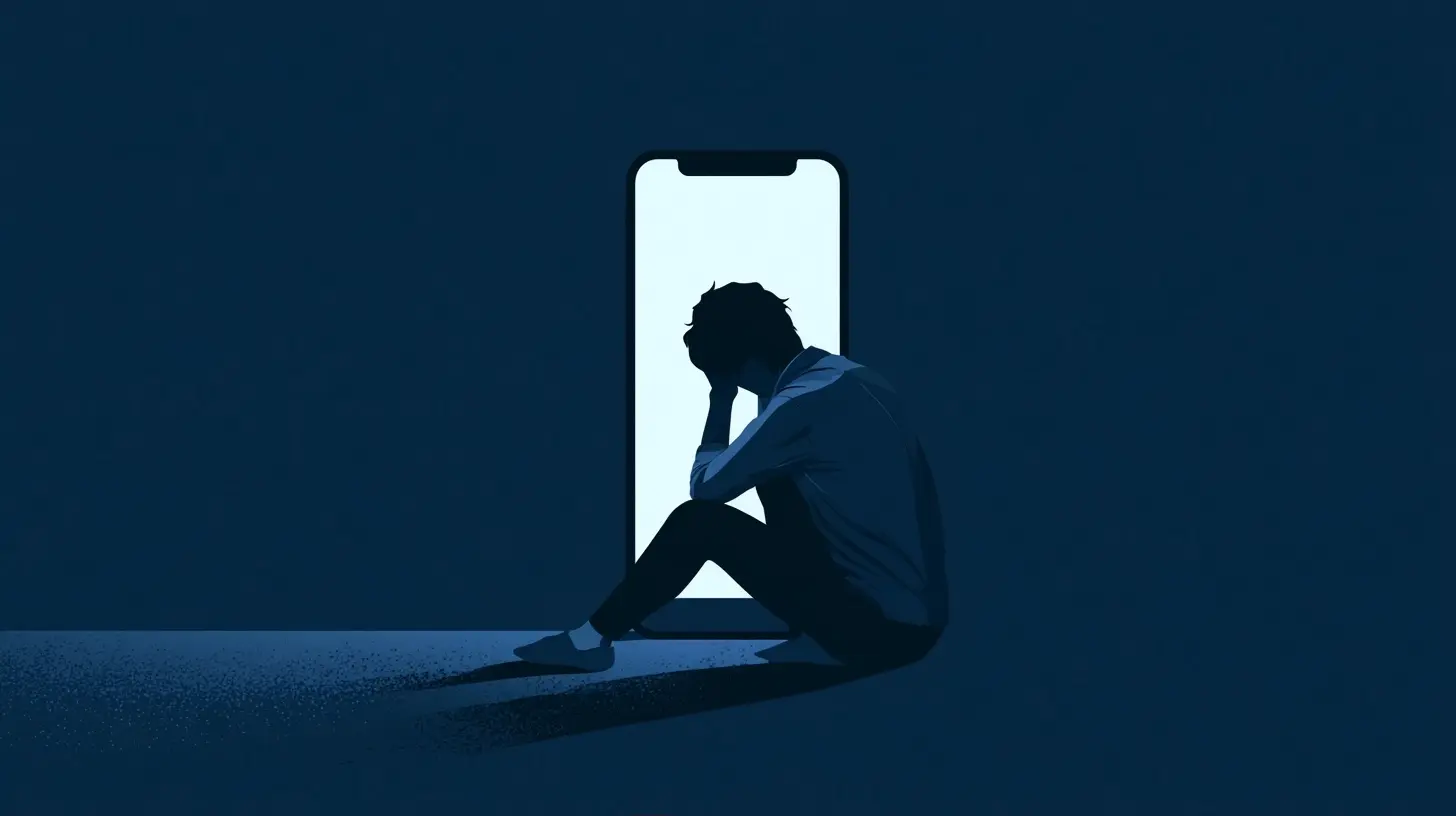
Benefits of Digital Mental Health Tools
Increased Accessibility
One of the most significant advantages of digital mental health tools is increased accessibility. Individuals who might not have the means or willingness to seek traditional therapy can find support online. This democratization of mental health care is particularly beneficial for marginalized communities and those in rural areas with limited access to providers.Cost-Effectiveness
Many digital tools are more affordable than traditional therapy sessions. Some apps are free or offer tiered pricing, making mental health support available to a broader audience. This financial aspect can reduce the stigma associated with seeking help, as it becomes less of a financial burden.Flexibility and Convenience
Digital tools offer users the flexibility to engage with their mental health care on their own terms. They can access resources at any time, which can be particularly appealing for those with busy schedules or who may struggle with in-person sessions due to anxiety.
Ethical Considerations
Privacy and Data Security
One of the primary ethical concerns surrounding digital mental health tools is privacy. Users often share sensitive information when using these platforms. Developers must prioritize data security to protect user information from breaches. Clear privacy policies and robust encryption measures are essential to maintain trust.users should critically evaluate the privacy practices of any app or tool they consider. Transparency regarding data usage and storage is crucial. If a tool profits from user data, individuals may feel exploited rather than supported.
Informed Consent
Informed consent is a cornerstone of ethical practice in mental health care. Users must understand what they are engaging with when they use digital tools. This includes awareness of the tool's limitations, the qualifications of any professionals involved, and the nature of the data collected.Developers should provide clear, concise information about how the tool works, what users can expect, and the potential risks involved. This transparency allows users to make informed decisions about their mental health care.
Quality of Care
Not all digital mental health tools are created equal. Some may lack evidence-based practices, leading to ineffective or even harmful outcomes. Users should be cautious and conduct thorough research before committing to any specific tool.Regulatory oversight is limited in this rapidly evolving field, which can lead to variations in quality. Developers have a responsibility to ensure their tools are based on sound psychological principles and validated by research.

The Role of Developers
Accountability and Responsibility
Developers of digital mental health tools should recognize their role in the mental health landscape. They must not only prioritize user experience but also ensure their tools are ethical and effective. This includes continuous evaluation of the tool's impact and user feedback.Collaboration with Mental Health Professionals
To enhance the quality of digital mental health tools, developers should collaborate with mental health professionals during the design and implementation processes. This partnership can help ensure that the tools are grounded in psychological research and clinical best practices.User Responsibility
Understanding Limitations
Users must understand that while digital tools can be beneficial, they are not a replacement for professional treatment in all cases. Severe depression or suicidal ideation requires immediate intervention from qualified professionals. Users should be aware of when to seek help beyond what a digital tool can offer.Self-Advocacy
Engaging with digital mental health tools requires users to be proactive and self-reflective. They should be encouraged to evaluate their progress, question the efficacy of the tool, and reach out for additional support if needed. This self-advocacy can empower users in their mental health journeys.
Real-World Examples and Comparisons
Successful Implementations
Many digital mental health tools have been successfully integrated into treatment plans. For instance, apps like Headspace and Calm incorporate mindfulness techniques that have shown promise in reducing symptoms of anxiety and depression. These tools often complement traditional therapy rather than replace it.Missteps and Lessons Learned
On the other hand, some tools have faced backlash due to ethical missteps. For example, an app that offered mental health support but also collected extensive user data for marketing purposes raised concerns about privacy and user trust. This highlights the need for ethical vigilance among developers.Trade-Offs and Common Mistakes
Balancing Accessibility and Quality
While making mental health care more accessible is essential, there is a trade-off between ease of access and the quality of care. Users may gravitate toward tools that are readily available but lack scientific backing. It is crucial to strike a balance between accessibility and effectiveness.Over-Reliance on Technology
Another common mistake is over-reliance on digital tools at the expense of seeking professional help when needed. Users should be mindful of their mental health needs and not hesitate to reach out for face-to-face support, especially during crises.
Best Practices for Users and Developers
For Users
1. Research Tools Thoroughly: Before selecting a digital mental health tool, read reviews, check for endorsements from mental health professionals, and explore the tool's background.2. Evaluate Your Needs: Assess your mental health needs and consider whether a digital tool is appropriate or if you require professional intervention.
3. Stay Engaged: Regularly evaluate your progress using the tool and be open to seeking additional support if you feel stuck or overwhelmed.
For Developers
1. Prioritize User Security: Implement robust privacy measures to protect user data and communicate openly about how data is used.2. Engage Mental Health Experts: Collaborate with psychologists and mental health professionals during the development process to ensure the tool's efficacy.
3. Monitor Outcomes: Continuously collect user feedback and evaluate the tool's impact on mental health to make necessary adjustments.
Conclusion
The rise of digital mental health tools for depression presents both opportunities and challenges. By navigating the ethical landscape with care, developers can create tools that empower users while prioritizing their well-being. Simultaneously, users must approach these tools with discernment, understanding their limitations and the importance of seeking professional help when necessary. Together, we can shape a future where digital mental health resources complement traditional care, leading to better outcomes for all.
all images in this post were generated using AI tools
Category:
Depression AwarenessAuthor:

Eliana Burton