The Effects of Media Literacy on Body Image
5 June 2026
Let’s face it—if you’ve ever scrolled through Instagram and suddenly felt like a potato in comparison to those flawless influencers, congratulations, you're human. But here's the twist—what if I told you that the problem isn't your body but how you see bodies? That’s where media literacy comes in, and trust me, it's like putting on glasses that help you spot the Photoshop and dodge the filters.
Welcome to the world of body image, where selfies are retouched, waistlines are suspiciously snatched, and media messages sneak into our brains without asking permission. But don’t panic—we’re about to flip the script with a little thing called media literacy. Buckle up.
What Even Is Media Literacy?
Before we get too deep, let’s define what we’re working with.Media literacy is basically our brain’s spam filter for all the digital noise around us. It’s the ability to analyze, evaluate, and even create media in a way that’s smart—not suckered in by every unrealistic standard it throws at us.
Think of it as your mental antivirus software. Without it, you’re vulnerable to viruses like “everyone-is-perfect-except-me syndrome.”
Body Image: The BFF of Self-Esteem (or the Frenemy)
Body image is how you see yourself when you look in the mirror—or in selfies, windows, or those utterly unflattering store dressing room lights. It’s not just about what you see, but how you feel about what you see.It’s influenced by a cocktail of:
- Personal experiences
- Cultural standards
- Peer pressure
- And (drumroll, please)... media
Sure, your mom’s comments and high school gym class weren’t always helpful, but media plays a huge role in shaping what we think we should look like.
Media’s Sneaky Influence on Our Body Image
Let’s talk about the elephant in the room—or rather, the unicorn with a Photoshopped thigh gap and filter-perfect skin. Media sells us one version of beauty—slim, tall, youthful, and constantly glowing like they swallowed a ring light.And honestly, it’s exhausting.
From magazine covers to TikTok trends, we’re bombarded with images of "ideal" bodies. And what happens? We start comparing. Constantly. Subconsciously.
Kind of like trying to win a race where the finish line keeps moving. Spoiler alert: You never catch up.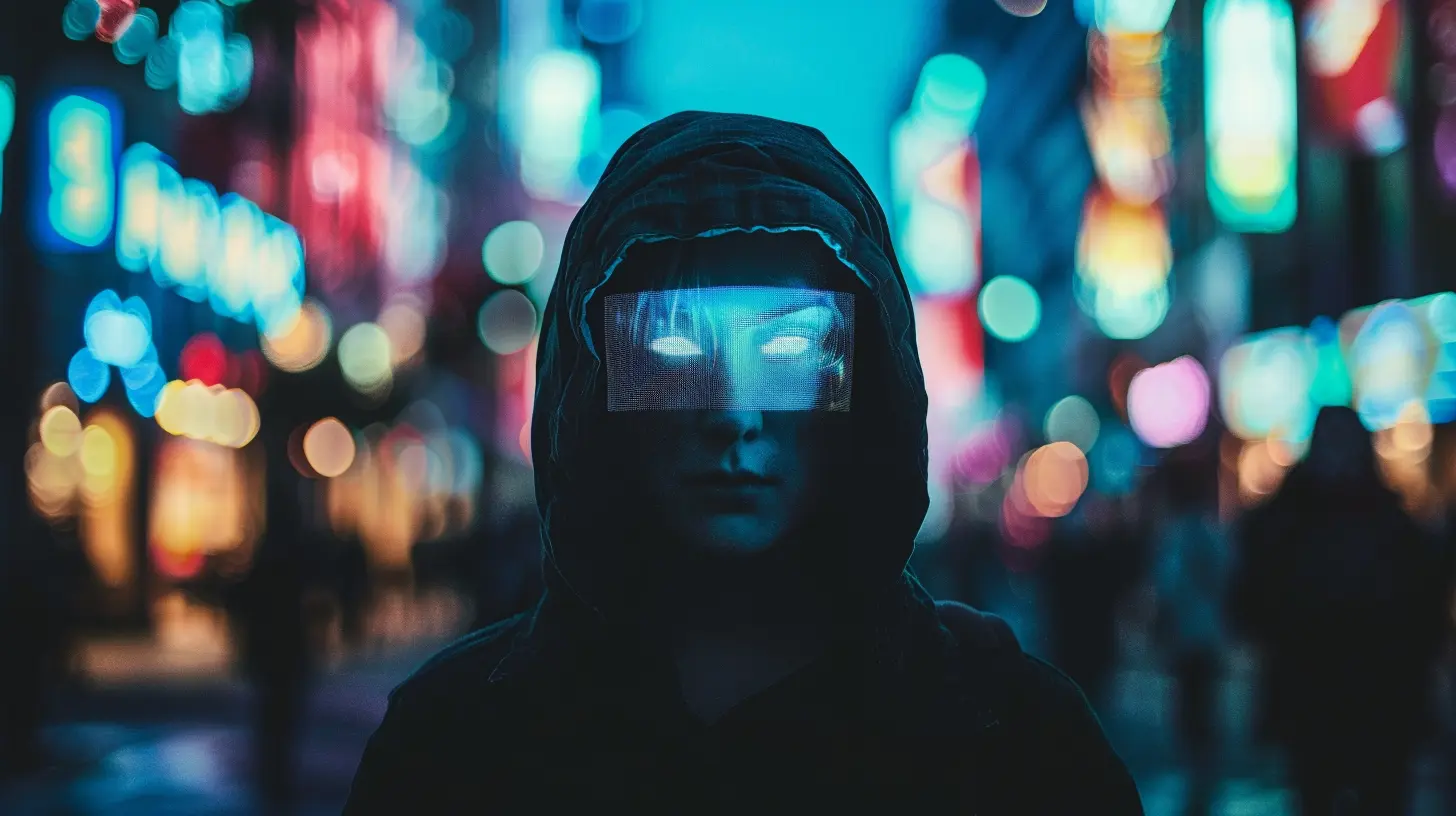
Enter: Media Literacy, Our Superpower
Now, here’s where media literacy swoops in wearing a cape and holding a latte. Once you learn how to read media—not just look at it—you start to see behind the curtain.Suddenly, you don’t just see a flawless influencer—you see:
- A solid 20 minutes of Facetune
- A professional lighting setup
- Filters on top of filters
- Strategic posing (because everyone knows the angles)
It’s like learning the magician’s tricks—you stop being fooled.
How Media Literacy Shifts Body Perception
Let’s break it down. When people become more media literate, they start to:1. Question Unrealistic Standards
Instead of thinking, “Why don’t I look like her?” you start thinking, “Wait… does she even look like that in real life?”Boom. Game-changer.
2. Recognize Manipulation Techniques
Once you spot the editing, filters, and lighting tricks, you start seeing social media not as a mirror—but as a movie. Entertaining? Sure. Real? Not so much.3. Build Immunity to Harmful Messages
Media literacy gives your brain armor. When ads tell you your worth is based on how small your waist is or how clear your skin is, you start rolling your eyes instead of questioning your value.Why Teens and Young Adults Are Especially Vulnerable
Let’s be real: if media manipulation is a virus, teenagers are on dial-up internet—slow to download the antivirus. They’re still figuring themselves out and soaking in messages like a sponge at a spilled soda party.Without media literacy, they don’t have the tools to filter through it all.
That’s why so many young people struggle with:
- Body dissatisfaction
- Disordered eating
- Low self-esteem
The good news? Media literacy can be taught. It’s not some mystical skill reserved for psychology majors.
Real Talk: Can Media Literacy Really Help?
Short answer: Yep.Research and real-life experiences show that being media savvy actually helps people feel better about their bodies. Several studies have found:
- Increased skepticism towards ideal body imagery
- Decrease in body dissatisfaction
- Improved self-confidence and self-worth
It’s not magic—it’s mindset.
Media Literacy in Action: What It Looks Like
Okay, okay, enough with the theory. How does this look in real life?Let’s say you’re scrolling through Instagram and see a model who looks like she was carved by angels.
Media-literate you might:
- Notice the strategic lighting
- Recognize the edited background
- Remember that bodies come in all shapes and sizes
- And most importantly—NOT compare yourself to her
You might even laugh, shake your head, and keep scrolling—eating chips unapologetically. That, my friend, is growth.
Teaching Media Literacy: A Group Project for Humanity
Developing media literacy doesn’t have to be a solo mission. Schools, parents, influencers (the responsible kind), and even Netflix-binging friend groups can play a part.For Parents:
- Talk openly about body positivity- Encourage critical thinking during screen time
- Compliment kids on qualities other than their appearance
For Teachers:
- Include media analysis in lessons- Promote diverse beauty standards in classroom discussions
- Create space for students to challenge harmful narratives
For Influencers (looking at you, you beautiful unicorns):
- Be transparent about editing- Share real moments, not just highlight reels
- Use your platform for good, not just #ads
Media Isn’t the Villain—Blind Consumption Is
Let’s not throw every magazine and Insta-baddie under the bus. Media isn’t inherently evil. I mean, where else would we get our daily dose of cat videos, relatable memes, and dance challenges we pretend we’re too old to try?The problem? When we blindly digest media without questioning it.
Media literacy turns us from passive consumers into active thinkers. And when you’re actively thinking, you’re protecting your peace—and your perception.
So, What Can You Do Today?
Here are a few quick tips to boost your media literacy and guard your body image like the treasure it is:- Unfollow accounts that make you feel worse, not better
- Follow diverse creators who celebrate all body types
- Fact-check images (hello, reverse image search!)
- Talk to friends about how media affects you—you’re not alone
- Use media creation tools yourself—editing can be eye-opening
Remember: Your body is not a trend. It’s not an aesthetic. It's your home.
Final Thoughts: Your Body Is Not Up for Debate
When we start seeing media for what it is—a curated, edited, filtered fantasy—we stop comparing ourselves to it. And that’s when the magic happens.Media literacy isn’t about being cynical. It’s about being conscious. And when you’re conscious, you can scroll without spiraling, admire without self-judgment, and love yourself without needing validation from pixels on a screen.
So next time you catch yourself comparing your real body to someone’s highlight reel, pause, reflect, and remember—you’re not the problem. Your perspective just needs a new lens.
Put those media-literacy glasses on. They go with everything.
all images in this post were generated using AI tools
Category:
Body ImageAuthor:

Eliana Burton
Discussion
rate this article
1 comments
Jack West
This article sheds light on how media literacy can empower individuals to challenge harmful standards of beauty. It highlights the importance of critical thinking in fostering a healthier body image. Great insights!
June 11, 2026 at 2:48 AM
Eliana Burton
Thank you for the encouraging feedback! I'm glad you found the insights valuable and relevant to the conversation on body image.