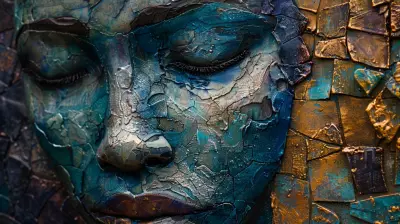
The Connection Between PTSD and Childhood Trauma
4 December 2025
When we think of PTSD (Post-Traumatic Stress Disorder), the first thing that often comes to mind is war veterans or survivors of extreme violence. While this is true, there’s another side to PTSD that doesn’t get talked about enough—the deep-rooted connection with childhood trauma.
Not all trauma starts in adulthood. In fact, many adults struggling with PTSD today may be carrying emotional baggage from events that happened decades ago, in their early years. In this article, we’re diving headfirst into how childhood trauma can shape our mental health and how it’s often at the very heart of PTSD.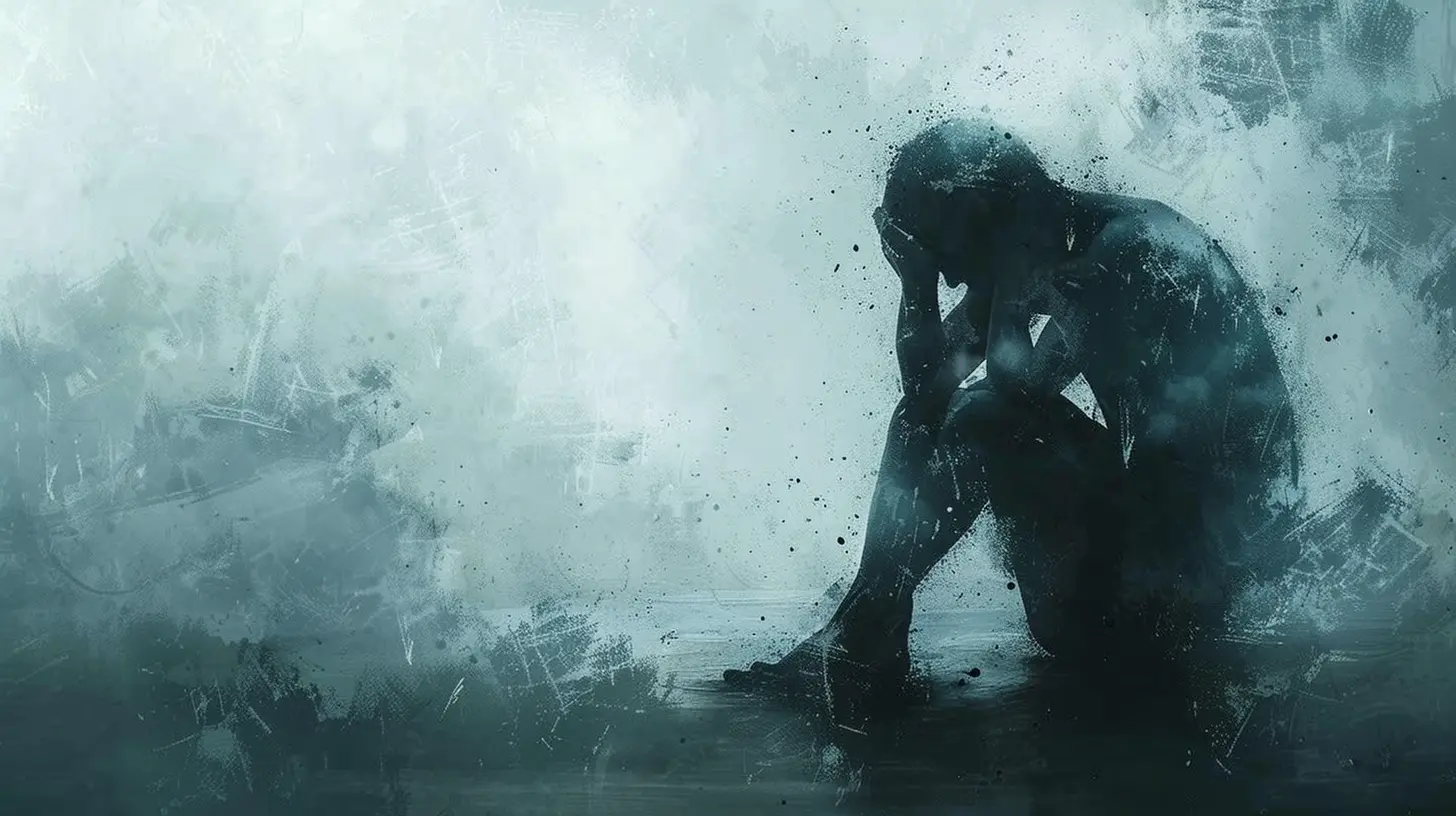
What Is PTSD, Exactly?
Let’s break it down. PTSD is a mental health condition that can develop after someone experiences or witnesses a life-threatening or deeply disturbing event. It’s like the brain’s alarm system gets stuck in the “on” position. People with PTSD tend to relive the trauma through nightmares, flashbacks, or intrusive thoughts. They might feel constantly on edge, emotionally numb, or easily startled.But here’s something that many don’t realize—trauma doesn’t have to be a single, shocking event. Especially in children, trauma can be chronic, subtle, and often invisible to the outside world.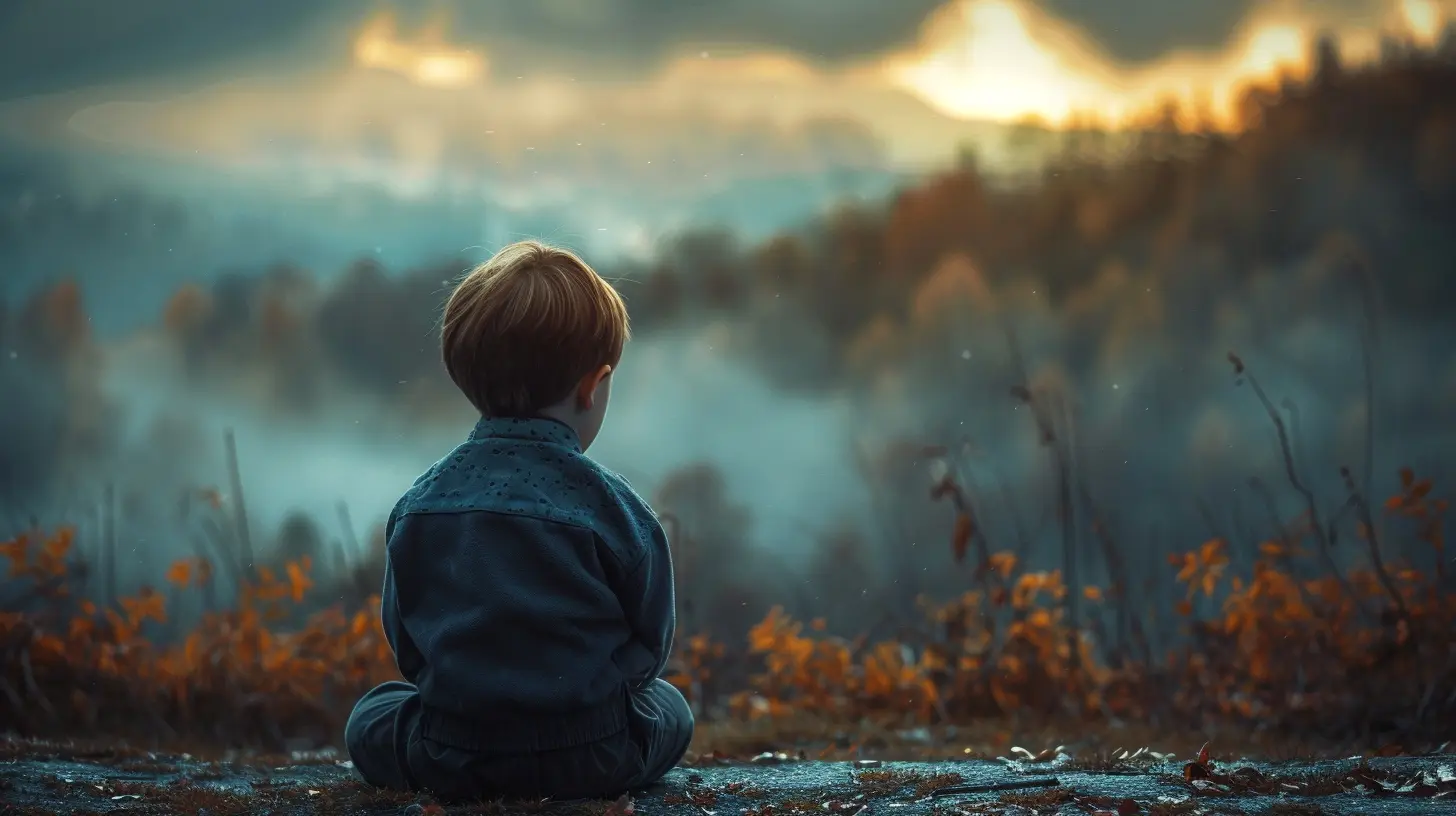
Childhood Trauma Isn’t Always Loud
When we hear the word "trauma,” we might picture violent abuse or tragic accidents. And yes, those are traumatic. But childhood trauma comes in many forms, and not all are as obvious.- Emotional neglect
- Physical or sexual abuse
- Exposure to domestic violence
- Substance abuse in the home
- Loss of a parent or caregiver
- Growing up in poverty or instability
Sometimes it’s not what happened, but what didn’t happen—a parent being emotionally unavailable, for example. These early adverse experiences silently carve their mark on a child’s developing brain.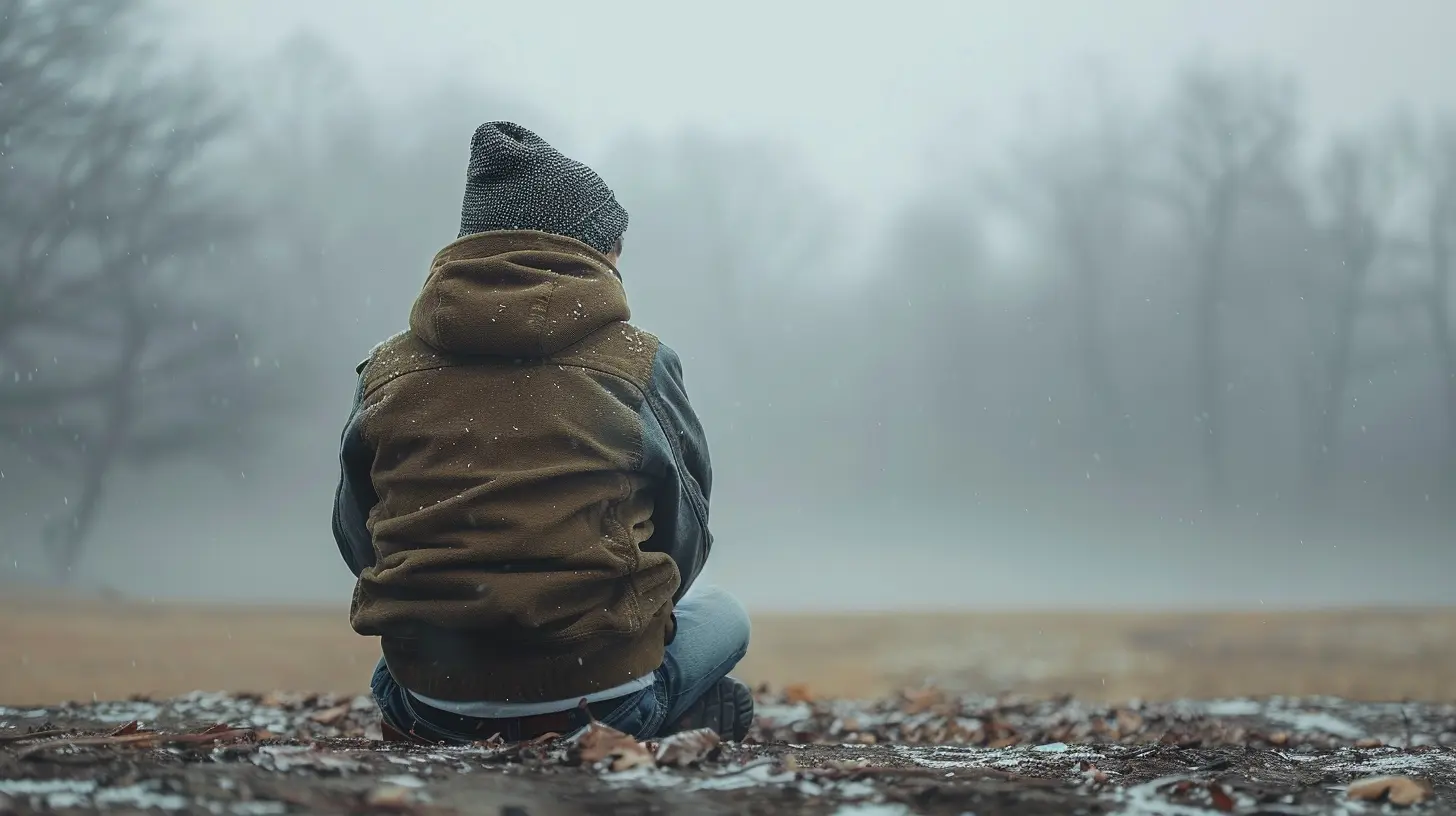
Why Childhood Trauma Hits So Hard
Imagine trying to build a house on shaky ground. That’s what it’s like developing emotionally in a traumatic environment. Childhood is when our brains are most malleable—kind of like wet cement. Trauma during this time doesn’t just hurt emotionally; it disrupts how the brain grows and functions.Kids who go through trauma often live in a state of hypervigilance. Their brains are constantly on high alert, scanning for danger. Over time, this stress response wears on them, physically and emotionally. It affects learning, memory, attachment, and emotional regulation.
And the problem is, they don't just "grow out of it." If it’s not addressed, it follows them into adulthood like a shadow.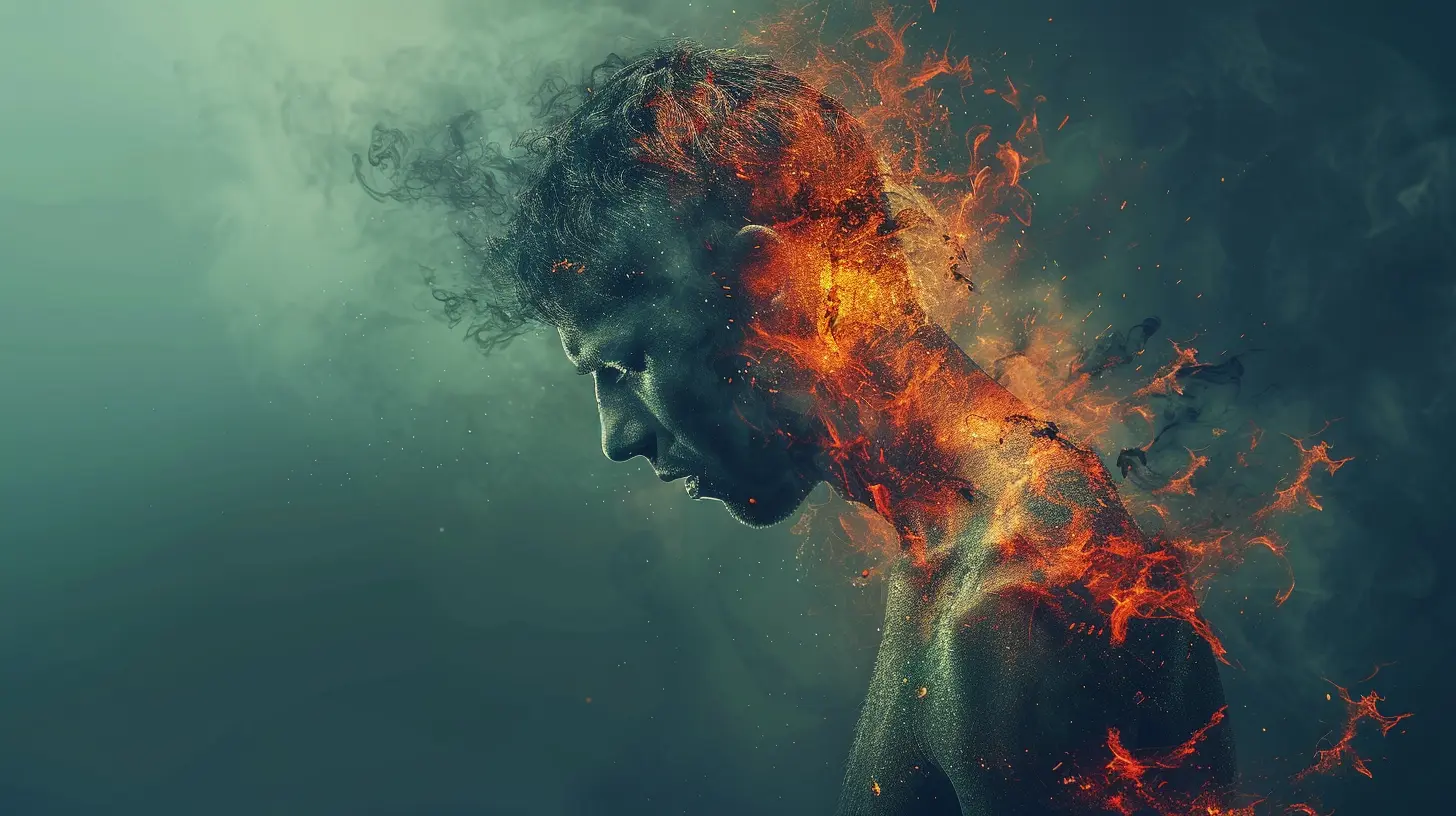
How Childhood Trauma Leads to PTSD
While not every child who experiences trauma will develop PTSD, many do. And for those who don't meet the full criteria, they may still have symptoms that make life incredibly challenging—things like anxiety, depression, emotional dysregulation, and low self-worth.Here’s a look at the link between the two:
1. Altered Brain Development
Chronic stress caused by trauma can physically alter brain structure. The amygdala (which processes fear), hippocampus (memory), and prefrontal cortex (decision-making) are all affected. When these areas are disrupted early in life, it lays the foundation for mental health struggles later on.2. Stored Trauma
Have you ever had a smell or a sound instantly take you back to a memory? Our bodies store trauma, especially when it happens at a young age. This stored trauma can resurface in adulthood, often triggered by situations that the brain perceives as similar to the original threat.3. Emotional Dysregulation
Children who aren't taught how to regulate emotions—because their caregivers were too stressed, absent, or abusive—often carry these difficulties into adulthood. Difficulty managing anger, fear, or sadness is a classic hallmark of PTSD.4. Relationships and Attachment Issues
Children who are betrayed or harmed by their caregivers often struggle to trust people later in life. PTSD rooted in childhood trauma can make intimacy and connection feel unsafe—because the people who were supposed to protect them were the ones who hurt them.Signs PTSD Might Be Connected to Childhood Trauma
So how do you know if PTSD symptoms in adulthood are linked to something that happened years ago? Here are some clues:- You have intense emotional reactions that feel “bigger” than the situation
- You experience chronic anxiety or panic for no clear reason
- You have recurring nightmares or flashbacks without a specific memory
- You avoid certain people or situations but aren’t sure why
- You have a hard time trusting others or maintaining relationships
- You struggle with feeling “not good enough” or deeply unworthy
If this resonates, it’s not “just you”—these are common experiences for adults who went through trauma as children.
The Long-Term Impact of Ignored Childhood Trauma
Let’s be real—unaddressed trauma doesn’t just quietly go away. It digs in deep, influencing everything from career choices to relationship patterns, and even physical health.Long-term childhood trauma has been linked to:
- Substance abuse
- Chronic illness (heart disease, diabetes, etc.)
- Dissociation or feeling “disconnected” from reality
- Eating disorders
- Self-harm or suicidal thoughts
It’s like trauma wires the brain to expect danger, chaos, or abandonment—so even when life is going well, people might feel restless, unworthy, or even guilty. That lingering sense of danger is PTSD’s calling card.
Let’s Talk About Complex PTSD (C-PTSD)
C-PTSD isn’t officially in the DSM-5 (the big manual used by psychologists), but it’s increasingly recognized, especially in those with prolonged trauma during childhood. It comes with all the "classic" PTSD symptoms, plus some extras:- Persistent feelings of shame or guilt
- Emotional flashbacks (reliving emotions, not just events)
- Deep-seated trust issues
- Identity issues or a fractured sense of self
- Difficulty feeling safe, even with no current threat
C-PTSD is often the result of repeated trauma, like ongoing abuse or neglect in childhood. It’s like PTSD but with more layers—imagine pulling apart an onion of pain and memories.
Healing Is Possible, Even If The Wounds Run Deep
Here’s the good news—your past doesn’t have to define your future. Healing from childhood trauma and PTSD isn’t quick or easy, but it’s absolutely possible. You’re not broken, and you’re definitely not alone.Therapies That Help
- Trauma-Focused Cognitive Behavioral Therapy (TF-CBT): Helps reframe negative thoughts and beliefs.- EMDR (Eye Movement Desensitization and Reprocessing): Helps reprocess traumatic memories.
- Somatic Experiencing: Focuses on releasing trauma stored in the body.
- Inner Child Work: Helps reconnect with and heal the wounded child within.
- Group Therapy: Offers support and community with others who get it.
Other Powerful Tools
- Journaling: Writing gives voice to memories and emotions that were never heard.- Mindfulness and Meditation: Grounding techniques that bring you back to the present moment.
- Creative expression: Art, music, and dance can help release trapped emotions.
It's Okay to Ask for Help
If any of this hits close to home, take a deep breath. You don’t have to carry this weight forever. Working with a licensed therapist who specializes in trauma can be life-changing—even life-saving.Yes, the trauma may have happened years ago. But healing? That can start today.
Final Thoughts
Understanding the connection between PTSD and childhood trauma can be a game-changer. So many adults are walking around with emotional scars they can’t explain, feeling broken or unfixable. But the truth is—your symptoms make sense. They’re not random. They're a logical response to something deeply painful, even if that pain feels like a distant memory.You are not weak. You're surviving something that started before you had the tools to fight back. And now? You have choices. You have support. And most importantly—you have hope.
all images in this post were generated using AI tools
Category:
Mental IllnessAuthor:

Eliana Burton
Discussion
rate this article
1 comments
Celeste Marks
What a vital topic! Understanding the link between PTSD and childhood trauma opens doors to healing and hope. Let's keep spreading awareness and supporting one another on this journey towards recovery and resilience! 🌟
December 8, 2025 at 3:54 PM
Eliana Burton
Thank you! I completely agree—raising awareness about this connection is crucial for fostering healing and support. Together, we can make a difference! 🌟