The Benefits of Therapy: Why Everyone Can Benefit from Talking
13 May 2026
Let’s be honest for a moment—life can be messy. Between juggling work, relationships, responsibilities, and our own inner critic, it’s easy to feel overwhelmed. But here’s a thought: what if just talking things out could make a world of difference? Therapy often gets a bad rap or is seen as a last resort for “serious” issues. But the truth is, therapy isn’t just for people in crisis. It’s for everyone.
In this article, we’ll break down why sitting down with a therapist isn’t just a way to cope with breakdowns—it's a powerful tool for everyday mental wellness. So let’s dive in.
What Is Therapy, Really?
Before we get into the benefits, let’s clear up what therapy actually is. At its core, therapy is a safe, confidential space where you sit down with a trained professional and, well, talk. You talk about your thoughts, your feelings, your fears, your dreams—basically, anything that’s swirling around in your head.Think of it like a gym workout for your mind. Just like you wouldn’t wait until you had a heart attack to start exercising, you don’t have to hit rock bottom before you see a therapist. You’re allowed to go to therapy simply because you want to feel better or understand yourself more deeply.
Emotional Venting: More Than Just Ranting
Ever feel like you’re about to boil over? We all carry emotional baggage. And while venting to a friend can help, friends aren’t therapists—they’re emotionally involved, have their own biases, and probably aren’t trained to deal with deep psychological stuff.In therapy, you can vent without judgment. No sugar-coating. No worrying about hurting someone’s feelings. Just honest, raw conversation with someone who knows how to help you unpack it.
Talking gives your emotions structure. Once something is said out loud, it becomes real—you can look at it, process it, and work with it. Even saying, “I’m not okay” can be the beginning of real healing.
Gaining Perspective: Seeing the Forest, Not Just the Trees
We all get stuck in our own heads. That’s just how we’re wired. But a therapist helps you zoom out and see the bigger picture. When you're knee-deep in a problem, it's hard to tell which way is up. Therapy acts like a mental drone camera—it gives you a bird’s-eye view.Therapists can point out patterns you might not even notice. Maybe every time you feel rejected, you spiral into self-doubt. Or you're constantly playing peacekeeper at the expense of your own well-being. These subtle truths are easier to spot when someone’s guiding you through them.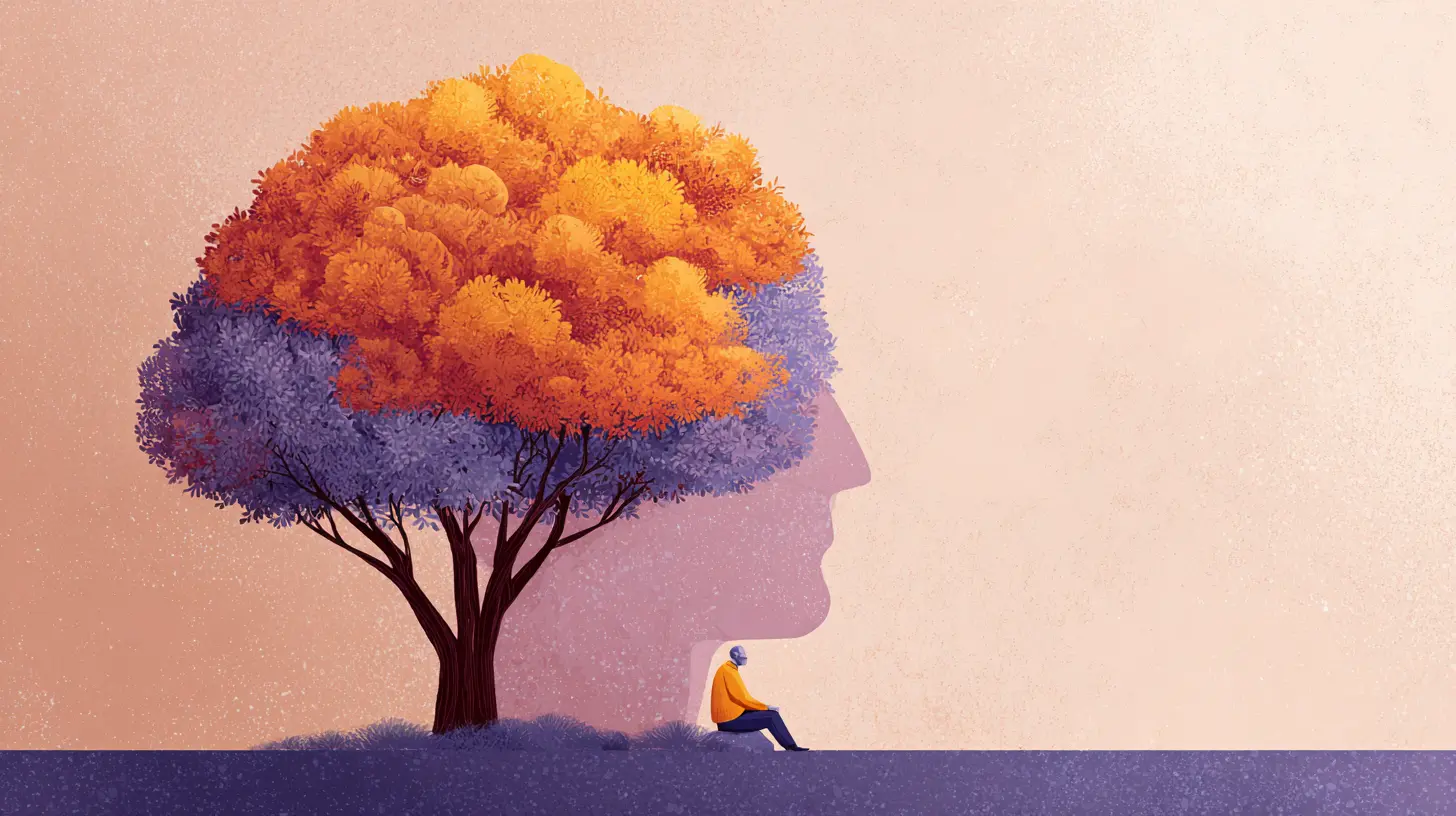
Developing Coping Skills: Your Emotional Toolbox
Nobody gives you a handbook for life. You learn to cope as you go. But sometimes, your “go-to” coping mechanisms—like avoidance, denial, or mindless scrolling—don’t get the job done.A big part of therapy is building a stronger toolbox. Whether it’s mindfulness, journaling, boundary-setting, or learning to reframe negative thoughts, therapy equips you with techniques to handle life better. It’s like getting armor before entering battle instead of running in unprotected.
Improving Relationships: Communication Is Everything
Let’s face it—relationships are hard. Whether it's with your partner, your boss, your parents, or your kids, miscommunication can turn small issues into full-blown conflicts.Therapy helps you become a better communicator. You start understanding not just what to say, but how to say it. You also learn to set boundaries and recognize when others are crossing them. Better yet, you gain insight into how you show up in relationships. Are you constantly people-pleasing? Do you shy away from conflict? Therapy helps untangle all of this.
And yes, relationship-focused therapy (like couples therapy or family counseling) is a thing—and it can be life-changing.
Boosting Self-Awareness: Meeting Yourself Again
It’s weird, but most of us go through life not really knowing ourselves. We wear so many hats—employee, parent, friend—that we forget who we are underneath it all.Therapy is a place where you meet yourself again. You get to ask the big questions: What do I really want? Why do I react this way? What are my values?
Self-awareness is the foundation for personal growth. Once you truly know yourself, you can make conscious choices instead of just reacting to life.
Managing Stress and Anxiety: Taming the Mental Frenzy
Stress and anxiety are like that annoying background noise you’ve learned to live with—but it doesn’t have to be that way.Therapy provides structured ways to manage anxiety. You explore the root causes, challenge irrational thoughts, and practice calming techniques. You move from “I’m freaking out and don’t know why” to “I recognize this, and I know how to deal with it.”
Even if your anxiety isn’t crippling, therapy can help reduce that constant state of tension many of us carry around like a weighted blanket we never asked for.
Healing from Trauma: Facing the Pain, Safely
Everyone has emotional wounds. Some are surface-level; others go deep. Whether it's childhood trauma, abuse, grief, or major life changes, therapy offers a safe, controlled space to heal.And healing isn’t about forgetting—it’s about processing. A therapist helps you work through the pain, so it doesn’t keep controlling your present or sabotaging your future. It's like cleaning out a wound properly so it doesn’t get infected again and again.
Building Confidence and Self-Esteem
Low self-esteem creeps in quietly. Maybe it started with a few failures or some toxic relationships. Over time, you internalize the idea that you’re not “enough.”Therapy helps challenge those beliefs. You begin to see yourself through a more compassionate lens. You recognize your wins and learn to quiet that inner critic that keeps whispering, “You’re not good enough.”
As you build confidence, you stop shrinking yourself to fit into boxes that were never meant for you. That’s powerful.
Encouraging Personal Growth: Becoming Who You Want to Be
Therapy isn’t just about fixing what’s broken. Sometimes, it’s about growing into the best version of yourself.Maybe you want to be more assertive. Or you want to finally write that book. Or start that business. Therapy can help you understand what’s holding you back and push past fear and procrastination.
Think of it as having a coach for your inner world—someone who helps you identify your goals, remove the roadblocks, and cheer you on as you make progress.
Preventing Problems Before They Start
Why wait for the fire when you can install a smoke detector? Preventative therapy is like a regular check-up for your emotional health.Just like you’d go to the dentist even if your teeth aren’t hurting, seeing a therapist regularly—even when life feels “fine”—can help you catch things early. It’s about staying mentally fit, not just reacting to crises.
Therapy Is for Everyone: No Shame, No Judgment
Let’s kill the stigma right here. You don’t need to have a “serious” mental health disorder to see a therapist. Going to therapy doesn’t make you weak or broken. It means you care enough about yourself to invest in your mental and emotional well-being.Whether you're dealing with depression, navigating a breakup, feeling stuck in life, or just want a space to talk—therapy is for you.
We all have our stuff. Talking helps. It really, really does.
Types of Therapy: Finding the Right Fit
If the idea of therapy feels intimidating, know this: there’s no one-size-fits-all. Here are just a few types of therapy you might explore:- Cognitive Behavioral Therapy (CBT): Focuses on thoughts and behaviors, helping you rewire negative thinking.
- Psychodynamic Therapy: Explores past experiences and unconscious patterns.
- Humanistic Therapy: Emphasizes personal growth and self-actualization.
- Interpersonal Therapy (IPT): Focuses on relationships and social functioning.
- Group Therapy: Involves shared experiences and support from others with similar challenges.
- Online Therapy: Great for convenience and accessibility.
The key is finding what works best for you. Some people click with talk therapy; others benefit more from structured, goal-oriented approaches. Try a few until you find your groove.
Final Thoughts: It's Okay to Not Have It All Figured Out
Therapy isn’t magic. It won’t solve all your problems overnight. But it’s a powerful, transformative process that helps you understand yourself, navigate challenges, and live more intentionally.You don’t have to carry everything on your own. You don’t need to have all the answers. And you’re allowed to want more than just “getting by.”
So if you’ve ever thought “maybe I should try therapy”—consider this your sign.
You deserve to feel heard. You deserve to heal. And you definitely deserve the peace that comes from simply talking.
all images in this post were generated using AI tools
Category:
Mental Health AwarenessAuthor:

Eliana Burton
Discussion
rate this article
2 comments
Winona McCallum
Oh sure, just sit and chat about your feelings. Who knew talking could be so magical? Next thing you know, they'll suggest hugs cure everything. What a revelation!
September 13, 2026 at 2:34 PM
Sasha Griffin
While the article highlights the positive aspects of therapy, it misses the complexity of individual experiences. Not everyone may find traditional therapy beneficial. It's crucial to recognize diverse approaches and the importance of personalized mental health care in promoting effective healing.
May 13, 2026 at 3:06 AM
Eliana Burton
Thank you for your insightful comment. You're right; individual experiences with therapy vary greatly. I appreciate the reminder about the need for personalized approaches in mental health care.