Mental Fitness Trends to Watch in 2027
20 April 2026
Remember when “mental health” was something we only whispered about? We’ve come a long way. Today, it’s not just about managing illness; it’s about building strength, resilience, and agility in our minds—much like we do with our bodies. That’s mental fitness. And just as physical fitness trends evolve (goodbye, thigh masters; hello, hybrid workouts), the landscape of mental fitness is accelerating at a breathtaking pace. By 2027, our approach to psychological well-being will look less like reactive therapy and more like a personalized, tech-integrated, and proactive lifestyle. So, let’s pull back the curtain. What does the near future hold for our minds?
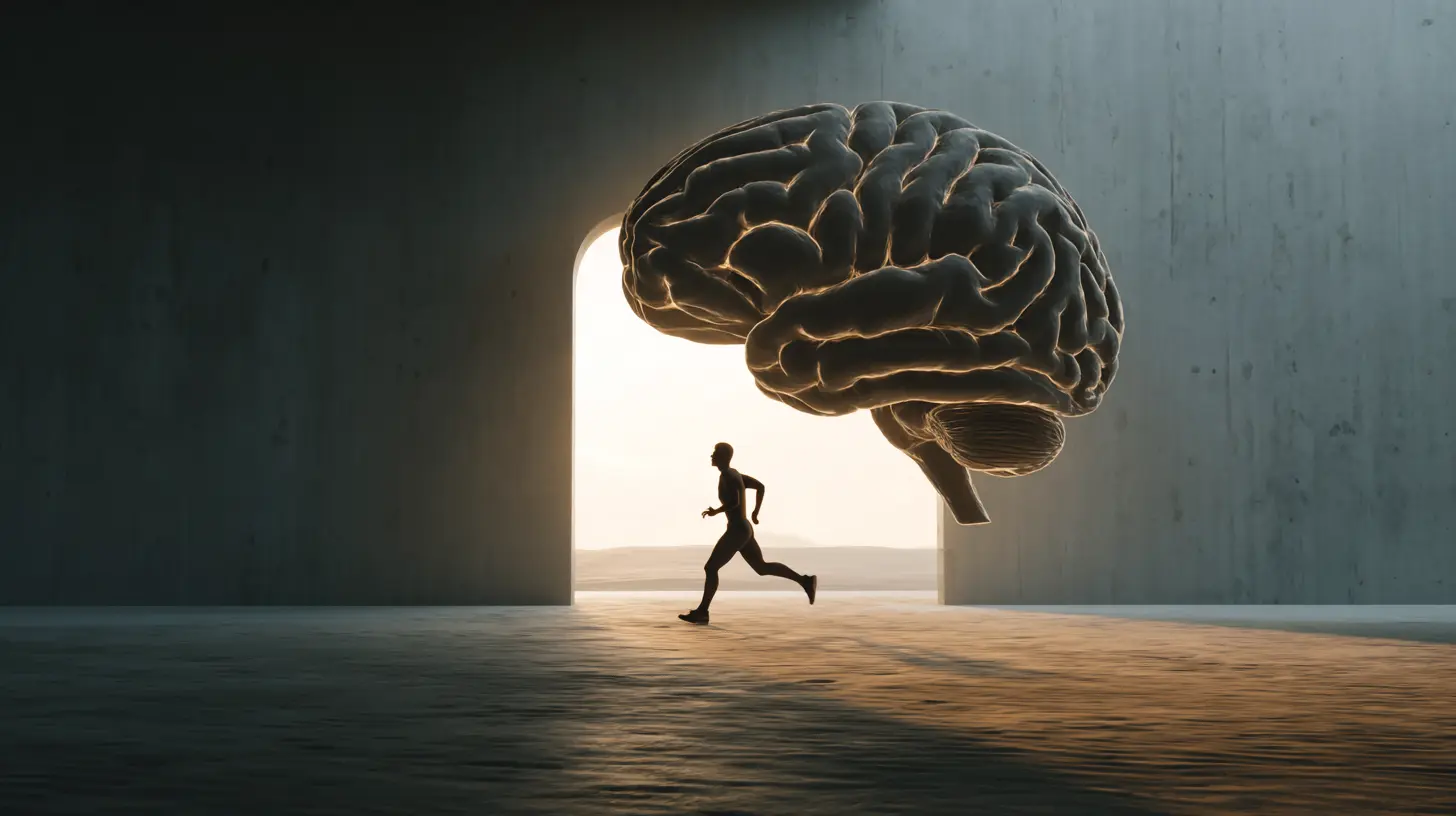
From Wellness to Well-Tech: The Digital Integration
We can’t talk about the future without talking about technology. But by 2027, tech won’t just be an aid to mental fitness; it will be a seamless, intuitive partner. The clunky, one-size-fits-all meditation apps of the early 2020s will feel as archaic as a brick phone.Hyper-Personalized AI Coaches
Imagine a mental fitness coach that knows you better than you know yourself. Not in a creepy, sci-fi way, but in a genuinely helpful one. AI-driven platforms will analyze your unique data patterns—your speech tone during a video call, your typing speed, your sleep cycles from your wearable, even your calendar stress load—to offer micro-interventions in real-time. It might ping you: “You have back-to-back meetings for 4 hours. Your data shows this pattern increases irritability. Schedule a 5-minute breathing space at 2:15 PM?” This isn’t surveillance; it’s sophisticated self-awareness outsourcing. The AI doesn’t judge; it patterns. It’s like having a navigator for your nervous system, constantly rerouting you away from traffic jams of anxiety and toward open roads of calm.VR for Emotional Gymnasiums
Virtual Reality will move beyond gaming and novelty to become a premier tool for emotional resilience training. Think of it as an emotional gymnasium. Struggling with social anxiety? You’ll be able to practice giving a presentation to a virtual, responsive audience that gradually increases in size and reactivity, all from the safety of your living room. Need to process grief or trauma? Guided VR journeys, developed with therapeutic protocols, could provide controlled, immersive environments for exposure and healing. This is exposure therapy, empathy training, and stress inoculation on steroids, offering safe spaces to “lift weights” with your emotions and build psychological muscle memory.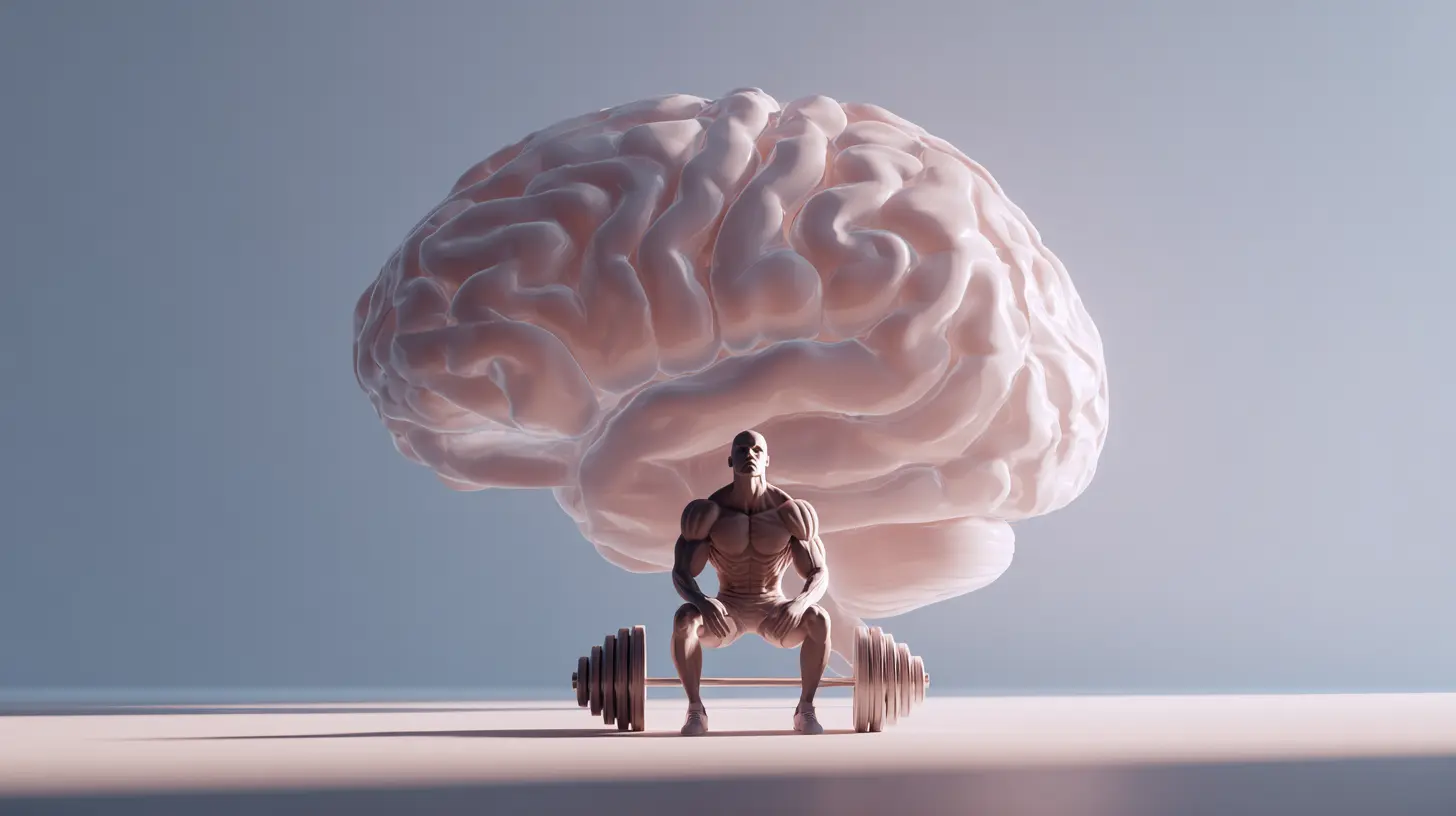
The Quantified Mind: Biometrics Take Center Stage
We track our steps, heart rate, and REM sleep. But what about tracking our calm, our focus, our emotional balance? By 2027, the quantified self will get a profound psychological upgrade.Continuous Nervous System Monitoring
Wearables will evolve from tracking physical biomarkers to decoding neurological ones. Devices using non-invasive tech like PPG (photoplethysmography) and advanced EEG sensors will monitor your autonomic nervous system state throughout the day. You’ll get a readout not just of your heart rate, but of your heart rate variability—a key indicator of stress resilience and recovery capacity. Your dashboard won’t just say “10,000 steps”; it will say, “Your nervous system spent 70% of the day in a regulated ‘rest-and-digest’ state. High five!” The goal? Moving from abstract feelings (“I feel stressed”) to concrete, actionable data (“My HRV dipped for 90 minutes after that meeting. I need a recovery protocol.”).Neurofeedback Goes Mainstream
Once confined to clinical settings, consumer-grade neurofeedback will become a common mental fitness practice. Using simple headbands, you’ll be able to play games or meditate with your brainwaves. Want to improve deep focus? A game might only progress when your brain produces optimal alpha waves. It’s biofeedback for your brain, teaching you, through real-time feedback, how to consciously shift your mental states. It turns the mind from a mysterious black box into a tangible instrument you can learn to play with mastery.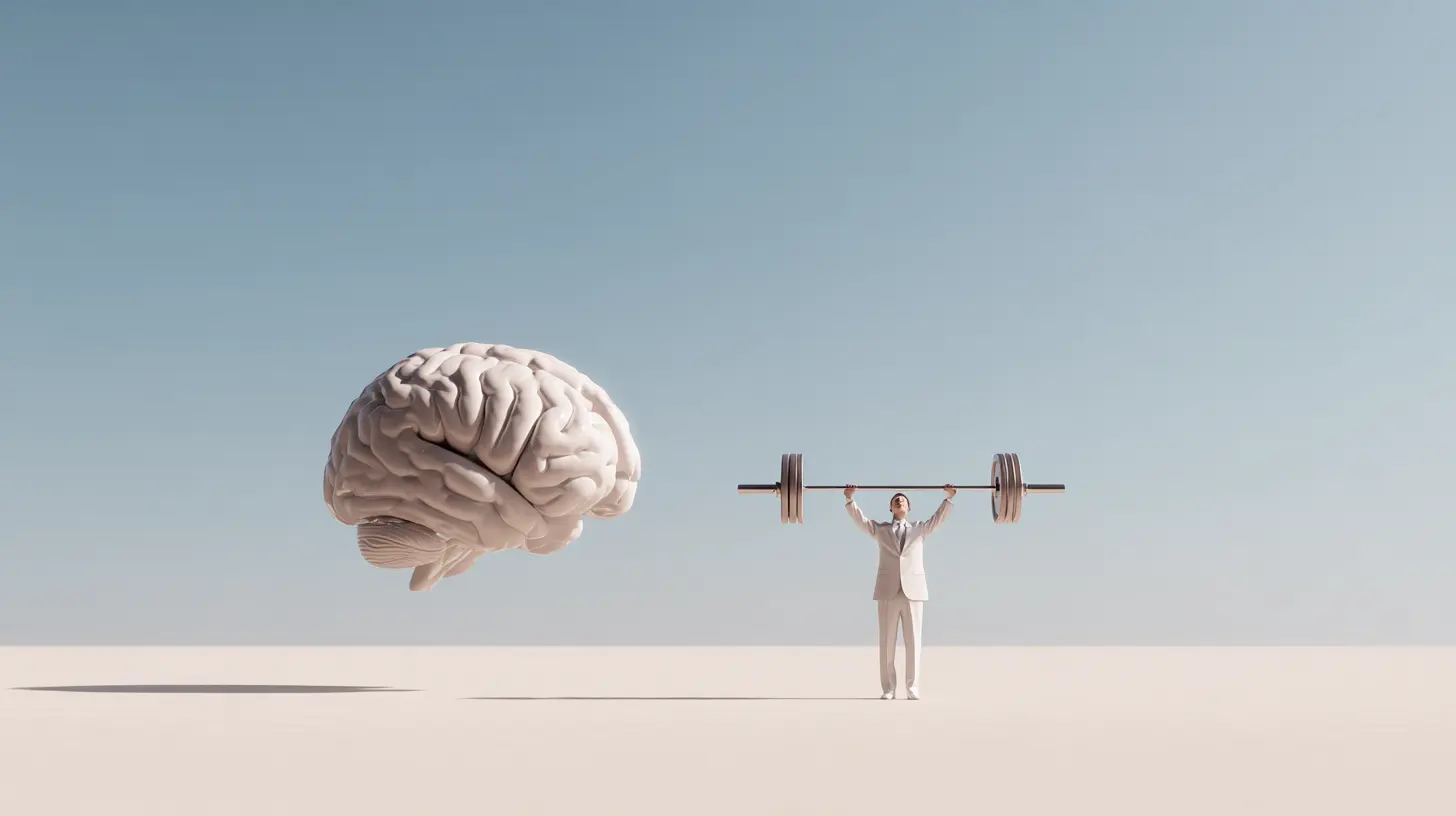
The Social Shift: Collective and Community-Centric Fitness
Mental fitness in 2027 will shed its last remnants of stigma, becoming a shared, communal pursuit rather than a solitary struggle. We’ll recognize that our minds are not isolated islands but part of a complex ecosystem.Workplace Mental Fitness Scores
Just as companies have physical wellness programs, they will adopt standardized Mental Fitness Indexes (MFIs). These won’t be invasive tools but aggregated, anonymized metrics that help organizations design healthier work cultures—meeting structures, lighting, break policies, and collaboration styles that promote psychological safety and cognitive performance. Your team’s MFI might suggest more “focus blocks” or asynchronous work days. The bottom line? A mentally fit workforce is an innovative, loyal, and productive one, and companies will finally have the data to prove it and act on it.Prescribed Social Connection
Loneliness will be treated with the same seriousness as any other health risk factor. We might see “social connection prescriptions” from doctors or coaches. This could be facilitated through connection-matching platforms that go far beyond current social media or dating apps. These platforms would match individuals based on deep compatibility factors for friendship, support, or shared interest-based communities, with built-in guidance for nurturing those relationships. Think of it as a fitness buddy system, but for your social well-being. After all, what’s a strong mind without a strong network to share it with?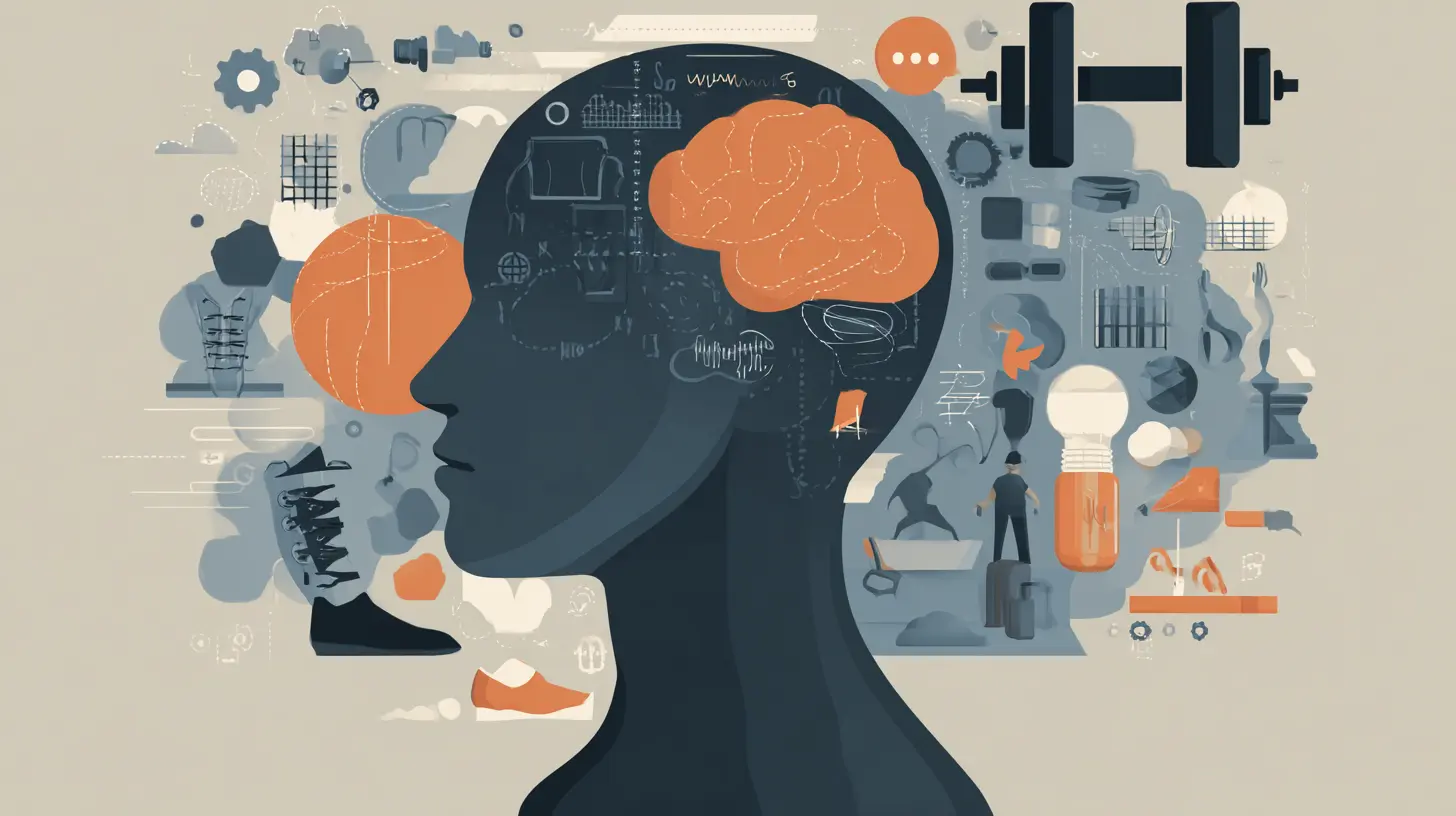
The New Frontiers: Psychedelics, Parasympathetic Focus, and Planetary Health
The cutting edge of 2027 will explore realms that today still seem fringe, blending ancient wisdom with futuristic science.The Integration of Psychedelic-Assisted Growth
The therapeutic use of substances like psilocybin (under guided, clinical settings) will likely be more established. But the trend will extend into the concept of psychedelic-informed practices. This means incorporating the core principles of these experiences—such as ego softening, interconnectedness, and awe—into everyday mental fitness routines. Meditation retreats, breathwork modalities, and even certain forms of immersive art and nature therapy will be designed to elicit similar states of neuroplasticity and perspective shift, without the substance. The goal is integration: bringing insights from expanded states back into daily life to foster lasting change.The Parasympathetic Revolution
We’ve spent decades optimizing for the sympathetic nervous system—the “hustle,” the drive, the grind. 2027 will see a powerful pivot toward parasympathetic dominance: training our “rest-and-digest” system with the same rigor we apply to our work. This goes beyond basic meditation. It will involve specific breathwork protocols (like extended exhalation techniques), vagus nerve stimulation practices, and environments engineered for “deep rest.” Gyms might have “recovery pods” with guided neural reset sessions. The ultimate status symbol won’t be how busy you are, but how deeply you can rest and recover. It’s about building a mind and body that can sprint and savor.Eco-Therapy and Planetary Mental Fitness
We’ll deeply internalize the truth that our mental health is inextricably linked to the planet’s health. Eco-anxiety will be met with proactive eco-resilience practices. Mental fitness will include routines like “forest bathing” with a biofeedback component, climate-action volunteering as a prescribed mood booster, and digital detoxes in nature that are tracked for their psychological benefit. Caring for the planet will be framed not as another stressor, but as a core component of caring for our collective psyche. A healthy mind on a sick planet is an unsustainable contradiction.Getting Ready: How to Approach 2027’s Mental Fitness Landscape
This might all sound overwhelming. It’s a far cry from a simple deep breath, right? But the core principle remains beautifully simple: know thyself. All these trends—the AI, the biometrics, the community focus—are just more refined tools for that ancient pursuit.Start now by becoming the curious observer of your own mind. Notice your patterns without judgment. Play with a basic meditation app. Track your mood and energy for a week. Talk openly about your mental fitness goals with a friend. By cultivating this foundational self-awareness today, you’ll be perfectly poised to navigate and harness the incredible tools of 2027. You won’t be a passive consumer of trends; you’ll be an informed architect of your own psychological well-being.
The future of mental fitness is bright, personalized, and empowering. It’s moving us from merely surviving our emotions to proactively training our minds for a life of resilience, connection, and meaning. The gym for your mind is about to get a major upgrade. Are you ready to step inside?
all images in this post were generated using AI tools
Category:
Mental FitnessAuthor:

Eliana Burton
Discussion
rate this article
2 comments
Zayden Summers
Oh great, another trend to add to our never-ending list of things we must crush to be mentally fit. Can't wait to stress over this too!
June 25, 2026 at 3:23 AM
Eliana Burton
I get it. It can feel overwhelming. Remember, it's all about finding what works best for you and not adding stress. Focus on what truly helps.
Hailey Spencer
This article insightfully highlights emerging mental fitness trends. It's crucial to stay ahead of these developments, as they can significantly impact our understanding of mental health and wellness.
April 23, 2026 at 4:26 AM
Eliana Burton
Thank you for your thoughtful comment! I completely agree—staying informed about these trends is essential for advancing our understanding of mental health.