Mental Fitness Is a Practice, Not a Trait
20 November 2026
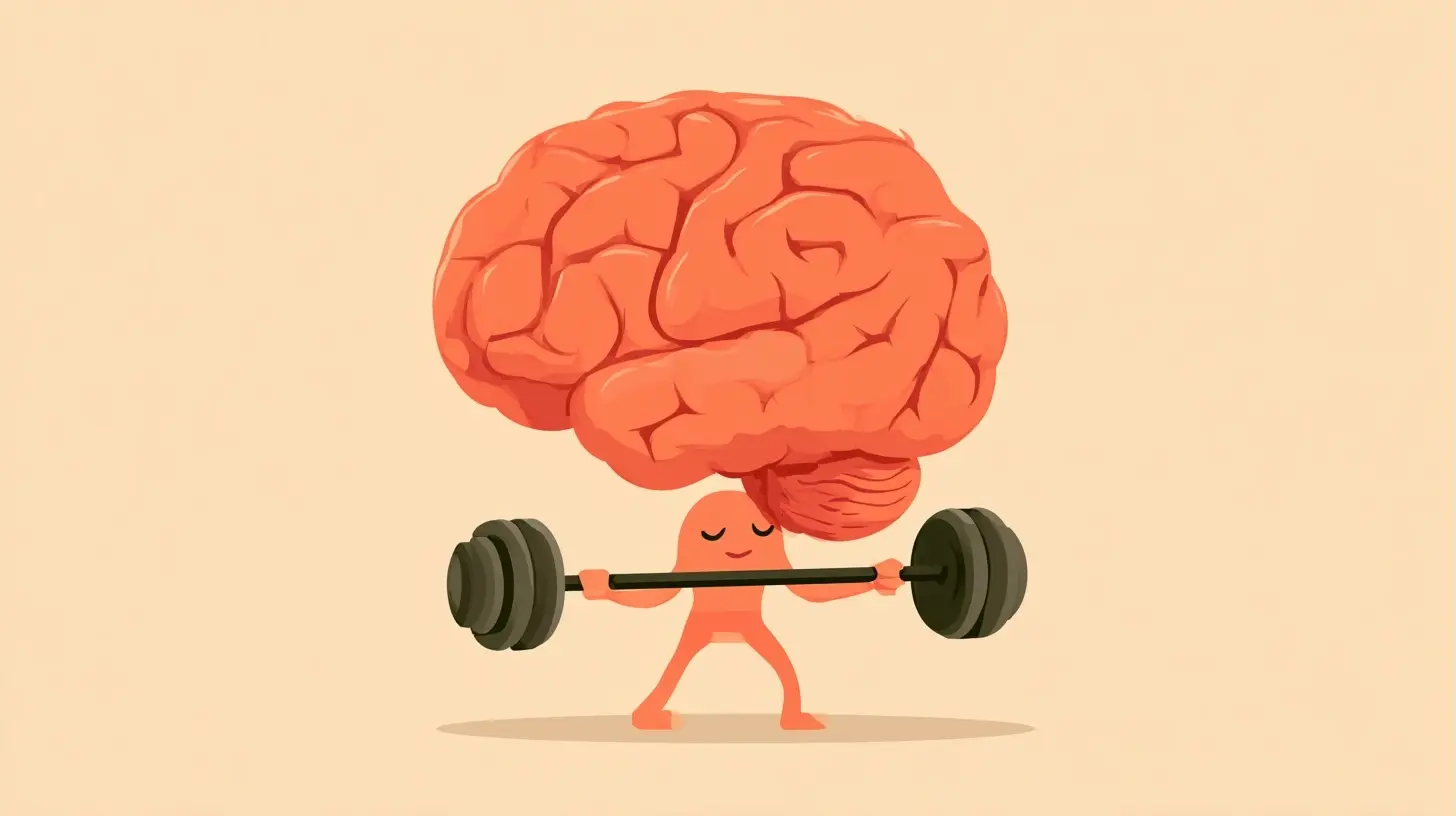
In the world of psychology, mental fitness has become a hot topic. While many may think of it as an innate trait-something you're either born with or not-this perspective is not only limiting but also misleading. Mental fitness is a practice, and like any skill, it requires effort, consistency, and a sprinkle of humor to truly thrive. So let's dive into the realm of mental fitness, debunk some myths, and arm you with practical strategies that you can implement today.
Understanding Mental Fitness
What Is Mental Fitness?
Mental fitness refers to the state of being mentally healthy and resilient. It's about having the tools to manage stress, navigate challenges, and maintain a positive outlook. Just as physical fitness involves regular exercise and a balanced diet, mental fitness requires ongoing practice and care.Why It Matters
Imagine trying to run a marathon without training. You might start strong, but soon enough, you'll be gasping for breath and questioning your life choices. Mental fitness works similarly. Without regular practice, your mental resilience can wane, making it harder to cope with life's inevitable ups and downs.
Common Misconceptions About Mental Fitness
Myth 1: You're Either Mentally Fit or You're Not
One of the biggest misconceptions is that mental fitness is a fixed trait. This belief can lead to feelings of inadequacy for those who don't feel "naturally" mentally fit. The truth is that mental fitness is like a muscle-it can be strengthened over time with practice.Myth 2: Mental Fitness Is Only for the "Weak"
Many people equate seeking help or developing mental fitness strategies with weakness. In reality, it takes immense strength to acknowledge when you need support. Just as athletes hire coaches to improve their game, seeking help for mental fitness is a sign of strength, not weakness.Myth 3: It's All About Positive Thinking
While maintaining a positive outlook is important, mental fitness encompasses more than just thinking happy thoughts. It involves a balanced approach that includes acknowledging negative emotions and developing coping strategies.
The Foundations of Mental Fitness
Self-Awareness
Self-awareness is the cornerstone of mental fitness. It involves understanding your thoughts, emotions, and behaviors. When you are self-aware, you can identify stress triggers and recognize when you need a mental health break.Practical Tip
Keep a journal to track your thoughts and feelings. This practice can help you identify patterns and gain insight into your emotional landscape. Writing about your day can also serve as a great stress reliever.Emotional Regulation
Emotional regulation is the ability to manage your emotional responses. It doesn't mean suppressing your feelings; rather, it involves understanding them and choosing how to respond.Practical Tip
Practice mindfulness techniques such as deep breathing or meditation. These can help you pause before reacting, giving you the space to choose a more constructive response.Resilience
Resilience is your ability to bounce back from adversity. It's not about avoiding challenges but rather facing them head-on with a toolkit of strategies.Practical Tip
Develop a "resilience toolkit" containing strategies that work for you. This could include positive affirmations, seeking support from friends, or engaging in physical activity.
Building Your Mental Fitness Practice
Establishing a Routine
Just like brushing your teeth, mental fitness requires a routine. Consistency is key.How to Create a Routine
1. Set Aside Time: Dedicate specific times in your day for mental fitness activities.2. Mix It Up: Incorporate various activities such as reading, journaling, or meditation.
3. Stay Flexible: Life happens, and sometimes you need to adjust your routine. That's okay.
Engaging in Physical Activity
Physical fitness and mental fitness are intertwined. Regular exercise releases endorphins, which can improve your mood and reduce stress.Practical Tip
Find an activity you enjoy, whether it's dancing, hiking, or even just going for a walk. The key is to keep moving.Social Connections
Humans are social creatures, and maintaining strong relationships is crucial for mental fitness. Social support can buffer stress and enhance your overall well-being.Practical Tip
Make a conscious effort to connect with friends and family. Schedule regular catch-ups, even if they are virtual.Common Mistakes in Mental Fitness
Overlooking Self-Care
Many people get so caught up in their daily responsibilities that they neglect self-care. Remember, you can't pour from an empty cup.Ignoring Warning Signs
It's easy to dismiss feelings of anxiety or depression as temporary. However, ignoring these emotions can lead to bigger issues down the line.Comparing Yourself to Others
In the age of social media, it's easy to fall into the trap of comparing your mental fitness journey to someone else's highlight reel. Everyone has their struggles, and it's essential to focus on your own path.
Best Practices for Mental Fitness
Set Realistic Goals
Setting achievable goals can provide a sense of accomplishment and motivation. Don't aim for perfection; aim for progress.Example
Instead of saying, "I will meditate for an hour every day," try "I will meditate for five minutes each morning." Start small and gradually increase your time as you become more comfortable.Embrace a Growth Mindset
A growth mindset is the belief that you can improve through effort and learning. Embracing this mindset can help you view challenges as opportunities rather than obstacles.Seek Professional Help When Needed
There's no shame in seeking professional help. Therapists and counselors can provide valuable tools and insights that can enhance your mental fitness practice.Real-World Examples of Mental Fitness in Action
The Athlete's Mindset
Consider athletes who often engage in mental fitness practices like visualization and positive self-talk. These techniques help them prepare for competition and handle pressure. For instance, a basketball player might visualize making a game-winning shot, which can enhance confidence when it matters most.The Corporate Leader
Corporate leaders often use mental fitness strategies to manage stress and lead their teams effectively. Practices such as mindfulness meditation can help them remain calm and focused, even during high-pressure situations.
Conclusion
Mental fitness is a journey, not a destination. It requires ongoing practice, self-compassion, and a willingness to adapt and grow. By understanding the foundations of mental fitness, debunking common myths, and implementing practical strategies, you can cultivate a healthier, more resilient mindset.Remember, it's not about being perfect; it's about making progress. So go ahead, embrace the practice of mental fitness. Your mind will thank you for it.
all images in this post were generated using AI tools
Category:
Mental FitnessAuthor:

Eliana Burton