How to Recognize Hidden Signs of Depression
29 August 2026
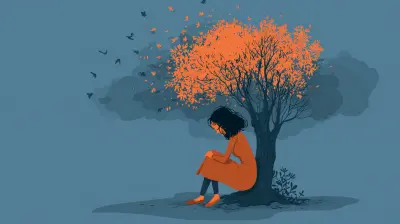
Depression is a master of disguise. It rarely shows up the way we expect it to. Most people picture someone who cannot get out of bed, who cries constantly, or who visibly withdraws from the world. But the reality is far more complicated. For every person who fits that stereotype, there are many others who function at work, keep up appearances at family gatherings, and even crack jokes at parties. They are not faking it. They are struggling with what psychologists sometimes call "smiling depression" or "high-functioning depression," but the signs are there if you know what to look for.
The problem is that we have been trained to look for the wrong things. We wait for sadness, but depression often shows up as irritability. We wait for isolation, but it often shows up as overcommitment. We wait for someone to say "I feel terrible," but they say "I am fine" with a practiced smile. Recognizing hidden signs of depression requires shifting your attention from what people say to how they behave, how they think, and how their daily patterns have changed.

Why Hidden Depression Is So Easy to Miss
There are several reasons why depression goes unnoticed, even by people who are close to the person suffering. The first is that many people with depression do not recognize it themselves. They believe that everyone feels this way, or they attribute their symptoms to stress, lack of sleep, or a "bad phase." If the person does not identify what is happening, they cannot communicate it to you.The second reason is that our culture rewards stoicism. We praise people who push through, who do not complain, who keep their problems to themselves. A person who is silently struggling may receive compliments for being "so strong" or "so put together." Those compliments reinforce the behavior. They learn that hiding their pain earns them approval, while showing it makes others uncomfortable.
The third reason is that depression changes a person's baseline. If you have known someone for years and they have always been slightly pessimistic or always been a night owl, you may not notice when those traits become more extreme. The change is gradual. You adjust to it without realizing it.

The Emotional Signs That Are Often Overlooked
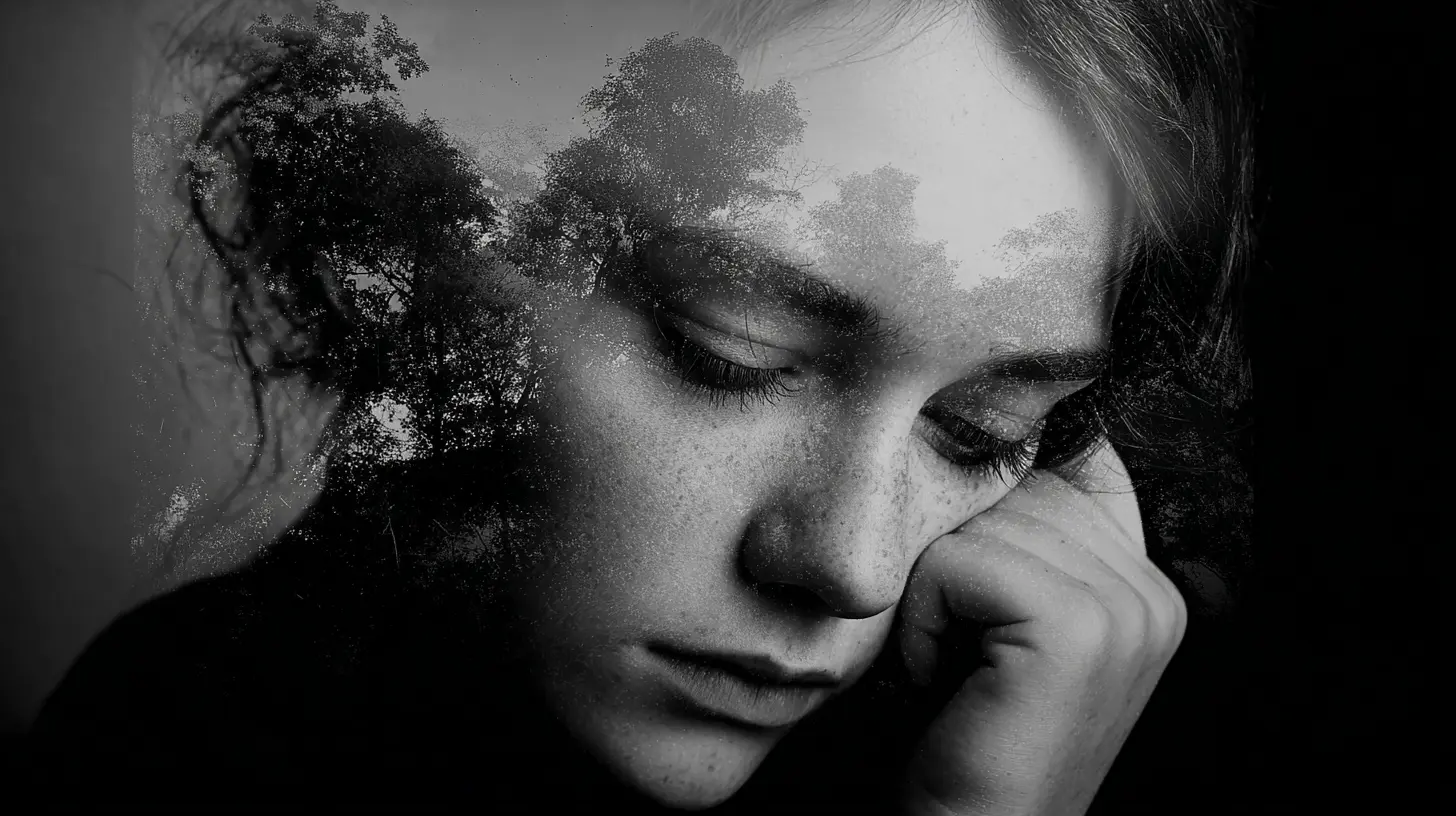
When we think of depression, we think of sadness. But hidden depression often presents with a completely different set of emotions.Irritability and Anger
One of the most common hidden signs is a short fuse. A person who used to be patient now snaps at minor inconveniences. They get angry in traffic, frustrated with customer service calls, or annoyed by questions that never bothered them before. This is not just a bad mood. Depression lowers a person's tolerance for stress. Their emotional resources are already depleted, so small frustrations feel like major injustices.This is especially common in men, who are often socialized to express distress as anger rather than sadness. If you notice a male friend or family member becoming unusually argumentative or cynical, it is worth paying attention to. The anger is often a cover for feelings of helplessness or worthlessness that they cannot articulate.
Emotional Numbness
The opposite of sadness is not happiness. It is numbness. Some people with depression do not feel sad at all. They feel nothing. They describe it as being hollow, empty, or going through the motions. They still do their job, pay their bills, and have conversations, but there is no emotional charge behind any of it.This is particularly hard to detect because the person is not distressed in an obvious way. They seem calm, even relaxed. But if you ask them about something they used to love, they will shrug. They have lost interest in hobbies, but they do not miss the interest. They have simply stopped caring.
Excessive Guilt or Self-Blame
Everyone has regrets. But a person with hidden depression takes this to an extreme. They apologize for things that are not their fault. They take responsibility for problems that are clearly outside their control. They replay conversations in their head, convinced they said something wrong.This sign is subtle because it can look like humility or self-awareness. But there is a difference between being reflective and being consumed by guilt. If someone constantly talks about being a burden, or if they are excessively hard on themselves for tiny mistakes, that is a red flag.
Behavioral Signs That Look Like Something Else
Hidden depression often shows up in behavior that seems productive or positive on the surface. This is what makes it so confusing for friends and family.Overworking as an Escape
Some people respond to depression by doing more, not less. They throw themselves into work, take on extra projects, and volunteer for tasks that no one else wants. This is a coping mechanism. Staying busy keeps the mind occupied. It also provides a sense of worth that they do not feel internally.The problem is that this behavior is almost always praised. "They are so dedicated." "They are such a hard worker." But if you look closer, you might notice that the person cannot sit still. They are uncomfortable with silence. They fill every moment with activity because being alone with their thoughts is unbearable.
If someone you know has suddenly become a workaholic, or if they seem unable to take a day off without feeling anxious, do not assume it is purely ambition. It may be avoidance.
Changes in Sleep Patterns
Sleep is one of the most reliable indicators of mental health, but we often misinterpret what the changes mean. Everyone knows that sleeping too much or too little can be a sign of depression. But the pattern matters.Some people with hidden depression wake up at 3 a.m. every night and cannot fall back asleep. They do not feel anxious at that moment. They just lie there, staring at the ceiling, feeling nothing. Others sleep ten or twelve hours and still wake up exhausted. The sleep is not restorative because their mind is constantly racing, even if they are not consciously aware of it.
Pay attention to changes in routine. If someone who used to be a morning person now sleeps until noon, or if someone who never napped now needs a nap every day, that is worth noting.
Changes in Eating Habits
Depression affects appetite in different ways. Some people lose interest in food entirely. They eat because they have to, not because they want to. They might lose weight without trying. Others turn to food for comfort, especially high-carbohydrate or sugary foods. They gain weight and feel ashamed about it, which makes the depression worse.The hidden sign is not the weight change itself. It is the relationship with food. If someone has stopped cooking meals they used to enjoy, or if they are eating at odd hours, or if they are skipping meals and then binge-eating late at night, that points to a disruption in their emotional regulation.

Cognitive Signs That Are Easy to Misread
Depression affects how a person thinks. These cognitive changes are often mistaken for personality traits or temporary stress.Indecisiveness
People with depression often struggle to make decisions, even small ones. What to eat for dinner, what movie to watch, what to wear. They are not being difficult. They are experiencing a loss of confidence in their own judgment. They second-guess every choice because they feel like they are going to make the wrong one.If you notice someone who used to be decisive becoming hesitant, or if they keep asking for reassurance about trivial matters, that could be a sign of mental exhaustion.
Memory and Concentration Problems
Depression has a real impact on cognitive function. People describe it as brain fog. They forget appointments, lose their train of thought mid-sentence, and have trouble following conversations. They might read the same paragraph three times without absorbing it.This is often misattributed to aging, stress, or lack of sleep. But if these symptoms are new and persistent, they could be related to depression. The brain is using so much energy to manage negative emotions that it has less capacity for memory and focus.
Black-and-White Thinking
Depression distorts thinking patterns. A person might start seeing everything in extremes. "I failed this test, so I will never succeed." "They did not text back, so they hate me." This is called all-or-nothing thinking, and it is a hallmark of depressive cognition.This is different from normal pessimism. A pessimistic person might expect the worst, but they can still entertain the possibility of a good outcome. A depressed person cannot. Their brain is locked into a negative interpretation of events, and they will reject any alternative explanation.
Social Signs That Look Like Normal Behavior
Social withdrawal is a well-known sign of depression, but hidden depression often looks different. It is not a dramatic disappearance. It is a slow, subtle shift in how a person engages with others.The Art of Deflection
A person with hidden depression becomes skilled at steering conversations away from themselves. They ask you questions, show interest in your life, and keep the focus on you. This is not just being a good listener. It is a way to avoid talking about their own feelings.If you notice that a friend has become unusually interested in your problems, or if they change the subject whenever you ask how they are doing, pay attention. They may be using your life as a distraction from their own.
Canceling Plans at the Last Minute
Everyone cancels plans sometimes. But a person with depression will start canceling more frequently, often with vague excuses. "I am tired." "Something came up." "I am not feeling well." They do not want to explain the real reason, which is that they cannot muster the energy to be social.The tricky part is that they may still say yes when you invite them. They want to want to go. But when the time comes, the anxiety and exhaustion are overwhelming. If this becomes a pattern, do not take it personally. It is not about you.
Oversharing or Joking About Pain
Some people cope with depression by making it into a joke. They say things like "I am so depressed" casually, or they make dark jokes about wanting to disappear. This is often dismissed as humor, but it can be a cry for help disguised as wit.If someone repeatedly jokes about their own misery or about not wanting to exist, do not laugh it off. Ask them directly if they are okay. You might feel awkward, but it is better to risk an awkward moment than to miss a serious signal.
Physical Signs That Are Often Ignored
Depression is not just a mental condition. It has physical manifestations that are easy to attribute to other causes.Unexplained Aches and Pains
Headaches, back pain, stomach issues, and muscle tension are common in depression. The brain and the gut are closely connected, and emotional distress often shows up as digestive problems. If someone is constantly complaining of vague physical symptoms, and doctors cannot find a clear cause, depression should be on the list of possibilities.Slowed Movements or Speech
In more severe cases, depression can cause psychomotor retardation. The person moves more slowly, speaks more softly, and takes longer to respond. This is not laziness. It is a physical slowing of the nervous system.This sign is more noticeable to others than to the person experiencing it. If you observe that someone has become physically sluggish over a period of weeks or months, it is worth raising.
Neglecting Personal Care
This is a sensitive one. A person who used to dress well might start wearing the same clothes repeatedly. They might skip showers, stop shaving, or let their hair go unkempt. This is not about fashion. It is about a loss of self-worth. They do not feel like they are worth the effort.If you notice this change in someone, approach it with compassion, not judgment. Telling them they look messy will only deepen their shame.
The Difference Between Hidden Depression and High-Functioning Depression
These terms are often used interchangeably, but they are not the same thing. Hidden depression refers to the fact that the symptoms are not visible to others. High-functioning depression refers to the person's ability to maintain daily responsibilities despite their symptoms.You can have hidden depression that is not high-functioning. For example, a person might be barely holding it together, but they hide their struggles at work and then collapse at home. You can also have high-functioning depression that is not hidden. A person might tell their close friends that they are struggling, but they still go to work and take care of their kids.
Understanding the difference matters because the approach is different. For someone with hidden depression, the first step is awareness. They need to be seen. For someone with high-functioning depression, the first step might be accepting that functioning is not the same as thriving. They are doing everything, but they are paying a huge cost internally.
Common Misconceptions That Keep People from Seeking Help
There are several myths that prevent people from recognizing their own depression or reaching out for support.Myth: "I Have No Reason to Be Depressed"
This is perhaps the most damaging belief. Depression is not a logical response to circumstances. It is a medical condition that can affect anyone, regardless of their life situation. You can have a great job, a loving family, and good health, and still be depressed. The brain does not follow a scorecard.If someone says this, remind them that depression does not need a reason. It is not a character flaw or a lack of gratitude. It is an illness.
Myth: "If I Were Really Depressed, I Would Not Be Able to Get Out of Bed"
This misconception confuses severe depression with all depression. Many people with depression get out of bed every day. They go to work, they exercise, they smile. They just do it all while feeling empty inside. The ability to function does not mean the pain is not real.Myth: "Talking About It Will Make It Worse"
Some people believe that acknowledging depression will make it more real or more powerful. The opposite is true. Naming the problem is the first step to solving it. Keeping it hidden only gives it more control.What to Do If You Recognize These Signs in Someone You Care About
If you suspect that someone you know is struggling with hidden depression, your first instinct might be to confront them or to give them a list of resources. Resist that urge. Here is what actually works.Start with Observation, Not Intervention
Before you say anything, take a step back and observe. How long have the changes been going on? Are they affecting the person's daily life? Have they mentioned any physical symptoms? This information will help you understand the severity of the situation.Use "I" Statements
When you do bring it up, focus on what you have noticed, not on diagnosing them. Say something like: "I have noticed that you seem more tired lately, and you have been canceling plans a lot. I am worried about you." This is less threatening than saying "You seem depressed."Do Not Try to Fix Them
Your job is not to solve their depression. It is to be present and to encourage them to seek professional help. You can offer to help them find a therapist, or you can go with them to a doctor's appointment if they want. But do not try to be their therapist. You do not have the training, and it puts you in an impossible position.Be Patient
People with hidden depression may not be ready to talk. They might deny that anything is wrong. They might get defensive or angry. Do not push. Let them know that you are there when they are ready, and then give them space. Pushing too hard can make them retreat further.
What to Do If You Recognize These Signs in Yourself
This is the hardest part. It is much easier to notice depression in others than to admit it in yourself. But if you have read this far and recognized yourself in several of these signs, please take it seriously.Stop Comparing Yourself to Others
Your suffering is valid even if someone else has it worse. You do not need to hit rock bottom to deserve help. If you are struggling, you deserve support, period.Talk to Someone You Trust
Pick one person who you feel safe with. It does not have to be a dramatic confession. It can be as simple as saying "I have not been feeling like myself lately." You might be surprised by how supportive they are.Consider Professional Help
Therapy and medication are not signs of weakness. They are tools. If you had a broken leg, you would not try to walk it off. Mental health is no different. A therapist can help you understand your thought patterns and develop coping strategies. A doctor can help you determine if medication might be helpful.Make Small Changes, Not Big Ones
Do not try to overhaul your life overnight. Start with one small thing. Take a short walk. Call a friend. Cook a simple meal. These small actions will not cure depression, but they can help you feel a little more grounded.Why Early Recognition Matters
The longer depression goes untreated, the more ingrained it becomes. The brain gets used to the negative patterns, and they become harder to break. Early recognition does not just shorten the suffering. It can prevent the depression from becoming a chronic condition.It also matters because depression is isolating. When you are in it, you feel like no one understands. When someone finally recognizes the hidden signs and reaches out, it breaks that isolation. It tells the person that they are not invisible.
The Bottom Line
Hidden depression is real, and it is more common than most people realize. It does not look like the images we see in movies or the stories we hear in public service announcements. It looks like a coworker who is always busy. It looks like a friend who makes dark jokes. It looks like a family member who is always tired but never complains.The most important thing you can do is pay attention. Not to what people say, but to how they live. Notice the small changes. Ask the uncomfortable questions. Be willing to sit with someone in their pain without trying to rush them out of it.
If you are the one hiding your depression, know that you are not alone. You do not have to carry this by yourself. Reaching out for help is not a sign of failure. It is a sign of courage.
And if you are the friend, the partner, the sibling, the coworker who notices something is off, do not wait for the person to come to you. They might never do it. Your one conversation, your one moment of honesty, could be the thing that changes everything.
all images in this post were generated using AI tools
Category:
Depression AwarenessAuthor:

Eliana Burton
Discussion
rate this article
1 comments
Carter Griffin
This article sheds light on the often overlooked signs of depression. It's easy to dismiss feelings of sadness or fatigue as temporary, but recognizing these signs can be a crucial step toward seeking help. I appreciate the emphasis on self-awareness and the importance of checking in with ourselves and others.
August 30, 2026 at 3:56 PM
Eliana Burton
Thank you for your thoughtful comment. I'm glad the article resonated with you and highlighted the importance of self-awareness in recognizing those hidden signs.