How Gender Expectations Shape Body Image for Men and Women
10 May 2026
Body image—it's something we all think about, whether we admit it or not. From the moment we step in front of a mirror, society has already whispered in our ears about what we should look like.
But here’s the kicker: gender expectations play a huge role in shaping how we see ourselves. Whether you're a man or a woman, the world has its own set of rules about how your body should appear. And let’s be honest—keeping up with those expectations can feel like running on a treadmill that never stops.
So, how exactly do gender norms influence body image? And more importantly, how can we break free from these unrealistic standards? Let’s dive in! 
The Pressure to Look "Perfect" Starts Early
From childhood, boys and girls receive different messages about their bodies. Girls are often complimented for being “pretty” and “dainty,” while boys are praised for their strength and toughness. These seemingly innocent remarks plant the seeds of body expectations that stick with us for life.By the time kids hit their teenage years, these messages become even louder. Social media, magazines, and Hollywood all reinforce the idea that women should be thin and flawless, while men should be muscular and rugged. These unrealistic ideals can lead to insecurity, self-doubt, and even disordered eating habits.
But here's the thing—our bodies aren't meant to fit into a single mold, and chasing perfection is like trying to catch a cloud. 
How Gender Expectations Shape Women's Body Image
Society has long placed impossible beauty standards on women. From airbrushed magazine covers to Instagram filters, the pressure to look flawless is overwhelming.The Thin Ideal
For decades, women have been bombarded with the expectation that being thin equals being attractive. From the runway models of the '90s to today’s fitness influencers, the “ideal” body keeps shifting—but one thing remains the same: women are expected to be slender, toned, but not too muscular.This unrealistic standard leads many women to develop body dissatisfaction. Diet culture thrives on this insecurity, convincing women they need to shrink themselves to be worthy. But let’s be real—happiness isn’t found in the number on a scale.
Curves, But Only in the "Right" Places
In recent years, there's been a shift toward celebrating curvier bodies. But even this comes with a catch. Society praises curves only if they appear in the "right" places—an hourglass figure with a tiny waist and fuller hips. So now, instead of one impossible standard, there are multiple. How exhausting is that?Aging and Beauty Pressures
Men are often seen as “distinguished” with age, while women are scrutinized for every wrinkle and gray hair. Anti-aging creams, Botox, and beauty treatments are marketed almost exclusively to women, reinforcing the idea that aging is something to fight rather than embrace. But aging is natural—why should anyone feel ashamed of it?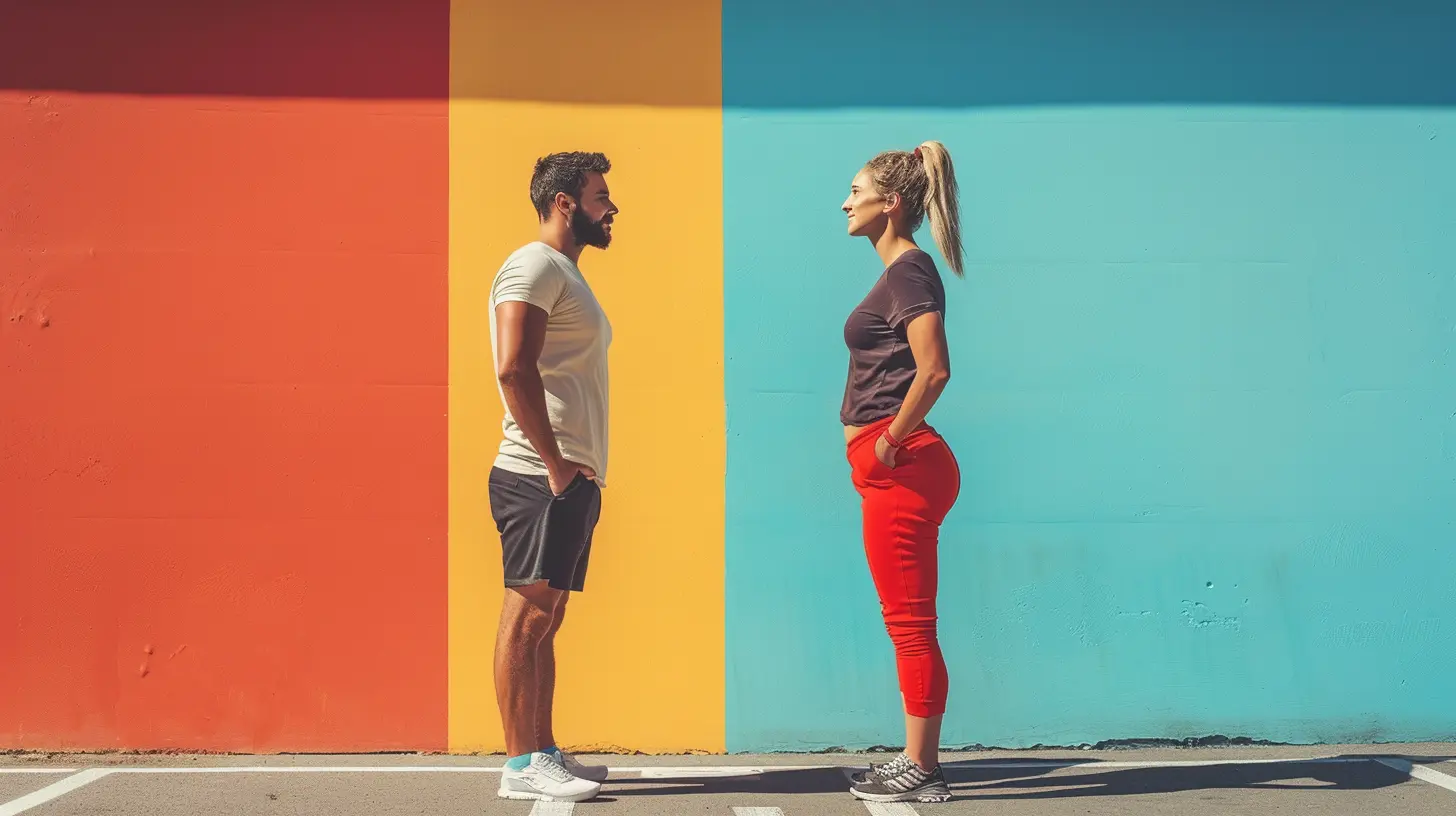
How Gender Expectations Shape Men's Body Image
While discussions of body image often focus on women, men also face their own set of unrealistic standards. And just because they don’t talk about it as often doesn’t mean the pressure isn’t there.The "Ideal" Male Body
Picture the classic superhero physique—broad shoulders, chiseled abs, bulging biceps. This is the image that men are constantly told they should aspire to. Movies, advertisements, and even action figures reinforce the idea that masculinity equals muscle.But let's be real—not every guy has six-pack abs. And that’s completely okay. The obsession with extreme muscularity can lead to unhealthy habits, from over-exercising to using dangerous supplements.
Height Matters (Apparently?)
Ever noticed how society glorifies tall men? From dating apps to Hollywood, being tall is often associated with attractiveness and confidence. But here's the truth: height is completely out of a person’s control. Yet, many men feel insecure if they don’t meet the so-called “ideal” height standard.The "Tough Guy" Mentality
Men are often discouraged from expressing insecurities about their appearance. If they feel self-conscious, they’re expected to “man up” and brush it off. This toxic mindset can prevent men from having honest conversations about body image struggles, leaving many to suffer in silence.
The Role of Social Media in Body Image Struggles
Let’s talk about the digital elephant in the room—social media. While it can be a great tool for connection, it also fuels body image pressures like never before.The Highlight Reel Effect
Social media is a curated world where people only show their best angles, best lighting, and (let's be real) their most edited selves. It’s easy to forget that those "perfect" bodies we see online often come with filters, Photoshop, and very strategic posing.Comparison Culture
Scrolling through social media can feel like a never-ending comparison game. Whether it’s influencers promoting impossible beauty standards or fitness gurus flaunting their sculpted abs, it’s easy to feel like you don’t measure up. But remember: social media isn’t real life.Challenging Unrealistic Beauty Standards
Thankfully, body positivity and self-love movements are growing. More people are speaking out against unrealistic beauty standards, encouraging others to embrace their natural selves. While progress is slow, every step toward self-acceptance is a win.Breaking Free from Gendered Body Expectations
So, how do we escape the trap of unrealistic body standards? Here are a few mindsets and habits that can help:1. Challenge What You See in the Media
The next time you see a "perfect" body on social media or in a movie, ask yourself: Is this real? Is it edited or posed? Learning to question what we consume helps break down the illusion of perfection.2. Stop the Negative Self-Talk
Would you talk to a friend the way you talk to yourself? Probably not. So, why be so harsh on yourself? Start replacing negative thoughts with kinder ones. Your body has carried you through life—show it some love.3. Diversify Your Social Media Feed
Follow people who promote realistic and diverse body types. Unfollow accounts that make you feel bad about yourself. Your mental health will thank you.4. Embrace What Your Body Can Do, Not Just How It Looks
Your body is more than just an appearance—it's what allows you to move, laugh, dance, and experience life. Instead of focusing on how it looks, appreciate what it does for you.5. Encourage Open Conversations
Men and women alike should feel comfortable discussing body image struggles without fear of judgment. The more we normalize these conversations, the easier it becomes to challenge harmful expectations.Final Thoughts
At the end of the day, body image is deeply tied to societal expectations—but that doesn’t mean we have to accept them. The key to confidence isn’t fitting into a certain mold; it’s embracing ourselves exactly as we are.So, whether you’re tall, short, muscular, curvy, thin, or somewhere in between, remember this: You are enough.
And isn’t that what truly matters?
all images in this post were generated using AI tools
Category:
Body ImageAuthor:

Eliana Burton
Discussion
rate this article
2 comments
Oberon Clarke
This article raises important questions about how society molds our perceptions of body image. I'm curious to explore how these expectations differ between men and women.
September 5, 2026 at 3:34 PM
Zethryn McMillen
Societal standards deeply influence perception.
May 12, 2026 at 3:14 PM
Eliana Burton
Absolutely, societal standards play a crucial role in shaping how we view ourselves and each other. They can dictate what is considered attractive or acceptable, affecting body image for everyone.