Anxiety Disorders in Children: Early Signs and Intervention
26 April 2026
Let’s talk about something that might not show up on the average playground but is quietly playing a serious game of tug-of-war in many young minds—childhood anxiety disorders. Yep, while kids might seem like carefree bundles of endless energy and snack demands, sometimes there’s more going on beneath the surface than meets the eye.
In this article, we’re diving deep into the world of anxiety disorders in children. We'll explore what they are, how to spot them early (spoiler alert: it’s not always obvious), and what you can do to help if your little one seems to be carrying more worry than their tiny backpack can hold.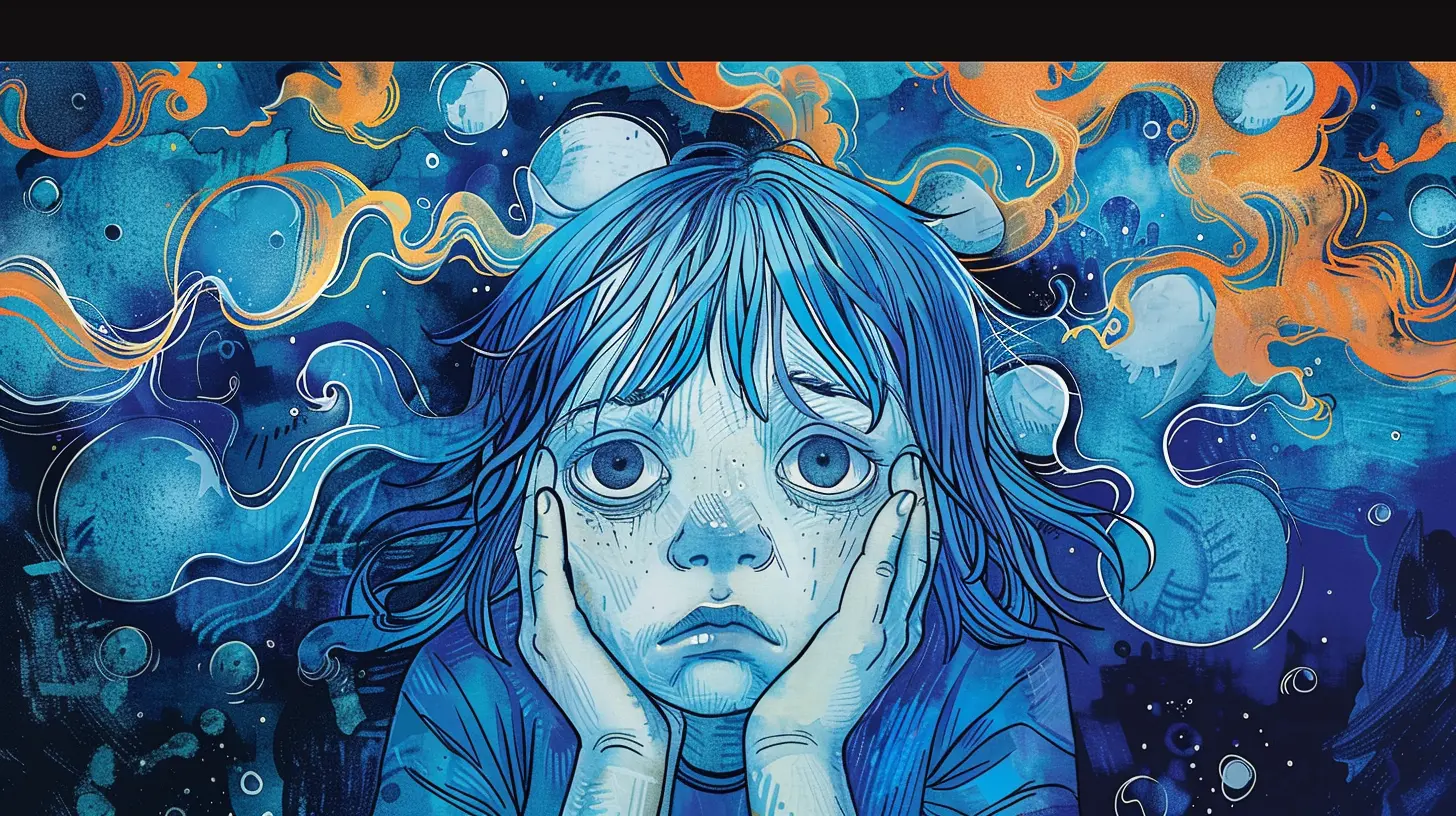
What Is Anxiety in Children, Anyway?
You know how adults sometimes panic about taxes, traffic, or that one email they forgot to send three days ago? Well, kids can feel anxious too, though their reasons might be a little different—think test day jitters, separation from parents, or even imaginary monsters under the bed.Anxiety is a totally normal emotion—we all feel it from time to time. But in some children, it becomes more frequent, intense, and starts interfering with their ability to just be a kid. That’s when we start getting into the territory of anxiety disorders.
Types of Anxiety Disorders in Children
Not all childhood anxiety looks the same. Just like ice cream, it comes in many flavors—though much less enjoyable.1. Generalized Anxiety Disorder (GAD)
Kids with GAD worry about everything. School, family, friends, weather, the future—you name it. Even if there's nothing obvious to worry about, their mind finds a way to twist itself into a worried pretzel.2. Separation Anxiety Disorder
This one’s common in younger kiddos. A child might panic when a parent leaves (even just to the next room) or refuse to go to school because they fear something bad will happen while they’re apart.3. Social Anxiety Disorder
Does your child dread talking in front of others or even just answering a question in class? Social anxiety can make everyday interactions feel like walking on a stage with no script and everyone watching.4. Selective Mutism
This one's a bit of a mystery to some. Imagine a child who speaks freely at home but goes completely silent at school or in public. They can talk—they just don’t, due to intense anxiety.5. Panic Disorder
These kids experience sudden, intense periods of fear that can include physical symptoms like a racing heart or difficulty breathing. Panic attacks feel super scary—especially when you’re not sure why they’re happening.6. Specific Phobias
Whether it’s a fear of dogs, storms, clowns, or elevators, phobias in children can be so strong that they’ll go to great lengths to avoid the dreaded trigger.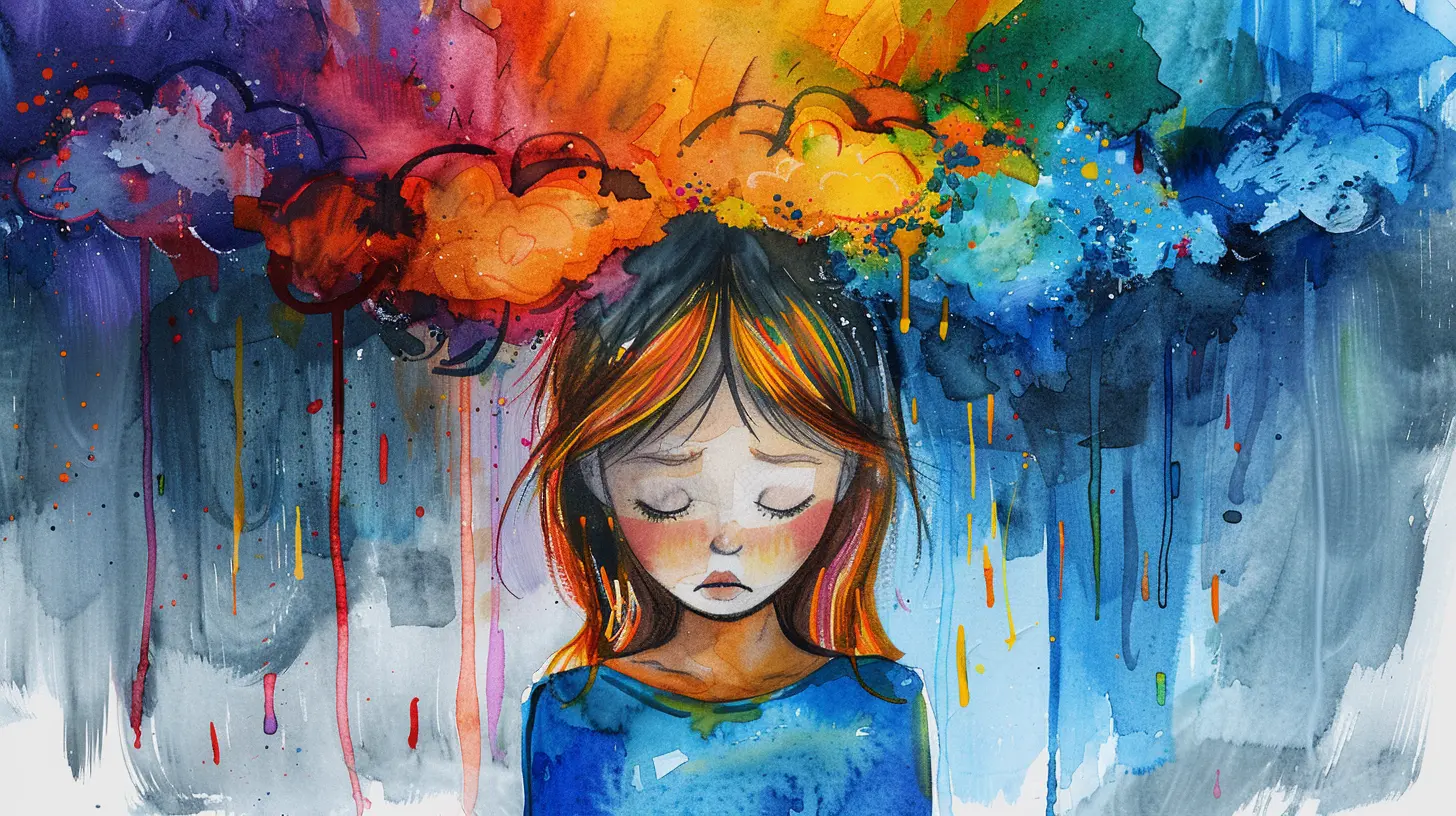
Early Signs to Watch Out For
So how do you know if your child’s nervousness is something more than typical childhood stuff? Don’t worry—we’ve got a cheat sheet.🚩 Emotional Signs:
- Frequent meltdowns over minor issues- Constant worry or dread
- Excessive fears that don’t make sense to you (but are very real to them)
- Overreacting to situations that seem small
🚩 Behavioral Signs:
- Avoiding school, social situations, or certain people- Clinging behavior (no, they’re not just “really attached”)
- Trouble sleeping or frequent nightmares
- Refusing to speak in certain settings
🚩 Physical Signs:
- Stomachaches or headaches with no clear medical cause- Rapid heartbeat or breathing
- Sweating, trembling, or nausea when faced with a fear
- Fatigue or low energy (because anxiety is exhausting!)
Remember: kids don’t always have the vocabulary to say “Hey Mom, I think I’m experiencing generalized anxiety.” Instead, the signs show up in behavior, physical symptoms, and emotional responses.
What Causes Anxiety Disorders in Kids?
Well, it's a bit of a mix. Think of anxiety like a recipe—it usually has multiple ingredients.- Genetics: If anxiety runs in the family, kids are more likely to experience it.
- Brain Chemistry: Imbalances in certain brain chemicals (like serotonin) can play a role.
- Life Events: Divorce, moving, losing a loved one, or even starting a new school can trigger anxiety.
- Parenting Styles: Overprotective or overly critical parenting can sometimes fuel anxiety. (No judgment—we're all learning!)
- Temperament: Some kids are naturally more sensitive or cautious, and that's okay.
How Early Is Too Early to Spot Anxiety?
Honestly? It's never too early to notice. Anxiety can show up in toddlers, though it's often easier to identify in preschool-aged children and up.The earlier you catch it, the better. Early intervention can prevent anxiety from becoming a lifelong companion. Think of it like catching a small leak before it floods the basement. Prevention over panic—every time.
How Can Parents Help?
Okay, now for the real question: what can you do if you suspect your child is struggling with anxiety?✅ Talk Openly (But Gently)
Let your child know that it's okay to feel scared or nervous sometimes and that you're there for them. Avoid minimizing their fears—even if they seem irrational to you. “Oh, come on, there’s nothing to be afraid of,” rarely works. Instead, try, “That sounds really scary. Want to talk about it?”✅ Create Routines and Predictability
Anxious kids LOVE structure. Knowing what to expect helps calm their inner chaos. Try keeping a consistent bedtime, morning routine, and after-school schedule.✅ Encourage Brave Behavior
Support your child in facing their fears in small, manageable steps. Cheer them on when they step out of their comfort zone—even if it’s just raising their hand once in class.✅ Limit Avoidance
Avoiding anxiety triggers might make things easier short-term—but it feeds the beast long-term. Help your child gradually face their fears, not hide from them.✅ Model Healthy Coping
Kids are little sponges. If they see you handling stress calmly (or at least without screaming into a cereal box), they’re more likely to learn those skills too.When It’s Time to Call in the Pros
If your child’s anxiety is seriously interfering with their daily life—school refusal, withdrawing from friends, panic attacks—it’s probably time to loop in a mental health professional.Here are some great options:
- Cognitive Behavioral Therapy (CBT): This gold-standard therapy teaches kids how to recognize and challenge anxious thoughts. Bonus: it's often done in a super kid-friendly way!- Play Therapy: Especially useful for younger kids who might not be able to talk about their feelings yet.
- Family Therapy: Because sometimes anxiety affects the whole household.
- Medication: In some cases, under professional guidance, medication may be helpful—especially when therapy alone isn’t cutting it.
What Schools Can Do (And What You Can Ask For)
Schools play a big role in identifying and supporting kids with anxiety. Don’t hesitate to reach out to teachers, counselors, and school psychologists.Ask about:
- Classroom accommodations (like extra time on tests or breaks during the day)
- Small group therapy or social skills groups
- 504 Plans or IEPs if your child’s anxiety significantly impacts their learning
Your child doesn’t have to tackle this alone—and neither do you.
Helping Children Build Coping Skills
Anxiety might be a sneaky little gremlin, but with the right tools, your child can keep it in check.Try teaching your child:
- 🧘♀️ Deep breathing techniques(Imagine blowing up a balloon—slow and steady)
- 📖 Positive self-talk
(“I can do hard things!” is a great mantra)
- 📝 Journaling or drawing
(Get those worries out of their head and onto paper)
- 🧸 Using comfort objects
(Sometimes a favorite stuffed animal is a superhero in disguise)
- 🎵 Relaxation tools
(Soft music, nature sounds, guided meditations—even kids’ yoga!)
These aren’t just fluffy self-help ideas—they’re legit strategies that can make a real difference.
Busting Some Myths
Let’s clear the air about a few common myths around childhood anxiety:❌ “It’s just a phase.”
→ It might be, but if the anxiety lasts more than a few weeks and interferes with daily life, it deserves attention.
❌ “They’ll grow out of it.”
→ Some kids might. Others won’t—and waiting it out could make things harder.
❌ “It’s because the parents are too soft.”
→ Parenting doesn’t cause anxiety disorders. But the right support and environment can help manage it.
Final Thoughts: Let Your Child Be the Hero
If your child is facing anxiety, remember: they’re not broken. They’re not alone. And they’re not doomed to a life ruled by fear.With your love, some smart strategies, and maybe a little help from professionals, they can gain the confidence and skills to manage anxiety like a boss.
Because every superhero—with or without a cape—deserves the chance to shine.
all images in this post were generated using AI tools
Category:
Mental IllnessAuthor:

Eliana Burton
Discussion
rate this article
2 comments
Dolores Lewis
Spotting anxiety early can make a big difference for kids!
July 28, 2026 at 3:23 PM
Eliana Burton
Absolutely! Early recognition is key to helping kids manage anxiety effectively.
Lena Harris
Empowering children to recognize and address anxiety early can transform their lives. By fostering understanding and support, we can help them build resilience and confidence. Together, we can create a brighter, calmer future for our children.
April 26, 2026 at 3:08 PM
Eliana Burton
I completely agree. Early awareness and support are key to helping children cope with anxiety and thrive. Let's keep pushing for proactive solutions.