Exploring Brain Lateralization: Left vs. Right Hemisphere Functions
17 February 2026
Have you ever been told you're “left-brained” or “right-brained”? Maybe someone said you're super logical because you love spreadsheets and Sudoku. Or perhaps you're the artsy one in the group, always doodling or vibing to music, and someone called you a classic “right-brainer.” But what does this even mean? Is it just pop psychology or is there some truth behind it?
Well, buckle in because we're diving headfirst into the surprisingly quirky world of brain lateralization. We're talking left hemisphere, right hemisphere—each side with its own unique flair. And don’t worry, this isn’t going to be a neuroscience snoozefest. It’s gonna be fun, digestible, and yes—totally brainy (pun 100% intended).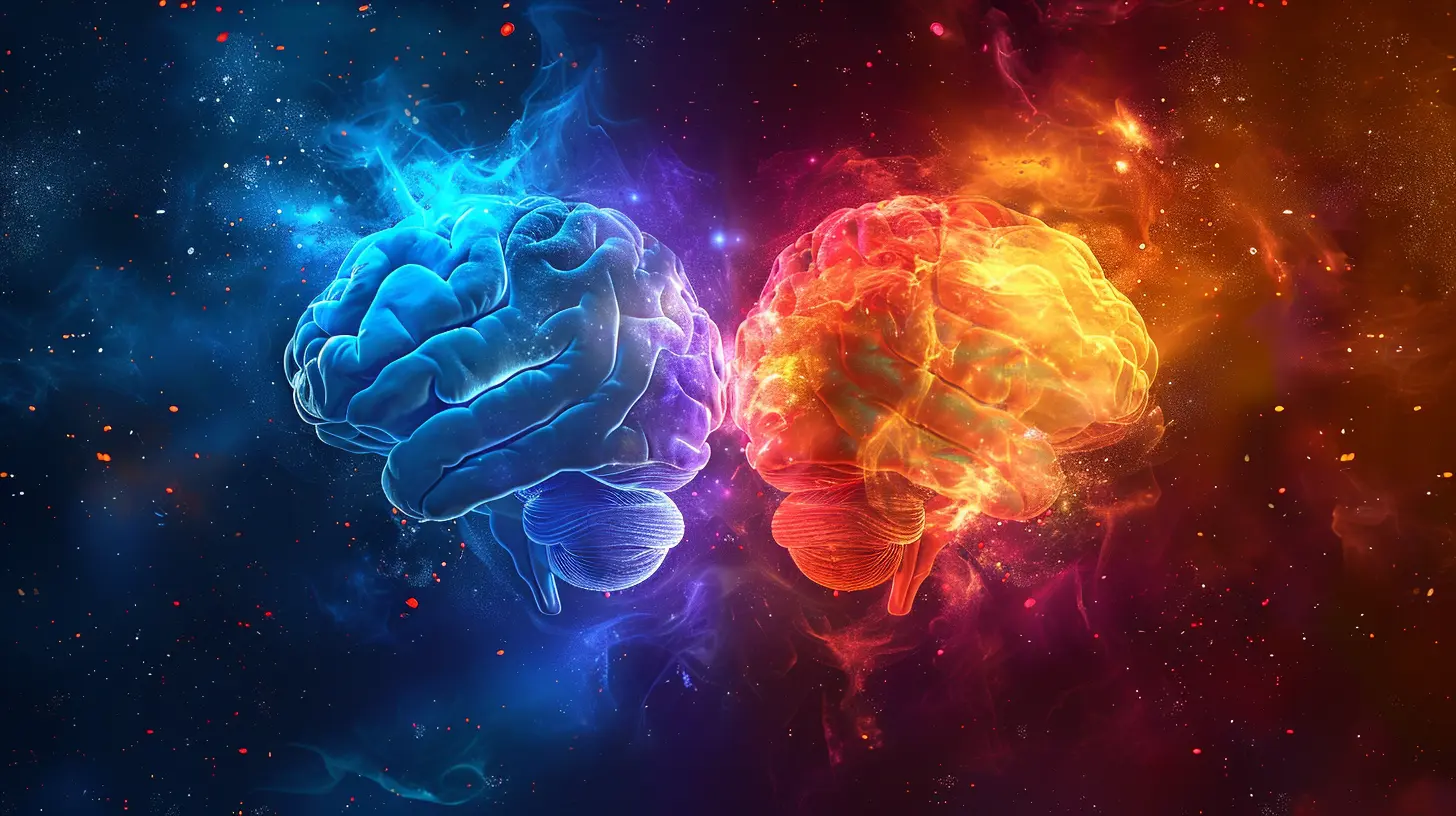
🧠 What Is Brain Lateralization Anyway?
First things first: brain lateralization simply means that certain mental processes and functions are more dominant in one hemisphere of the brain than the other. Think of it as a brainy version of a buddy cop duo—each partner has their own strengths, but they work best as a team.Your brain is split into two halves: the left hemisphere and the right hemisphere. They're connected by a structure called the corpus callosum (basically the brain’s version of a super-speedy Wi-Fi router), which lets the two sides communicate.
Now, contrary to popular memes, this doesn’t mean if you’re left-brained, you can’t be creative, or if you’re right-brained, you hate math. It’s way more nuanced than that.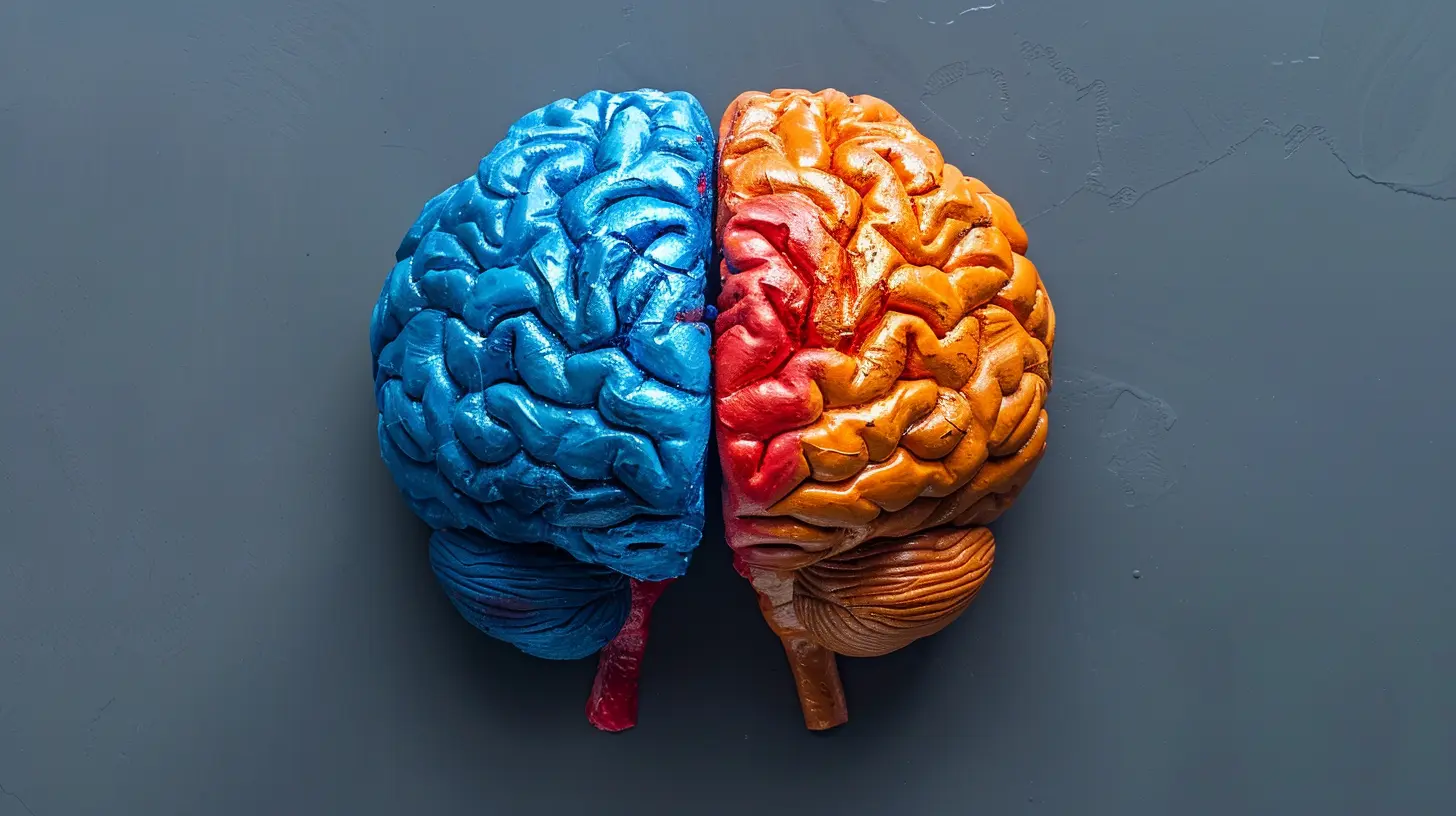
🎯 The Mighty Left Hemisphere
Let’s meet the left hemisphere—the part of your brain that's all about structure, precision, and getting things done.💬 Language & Communication
The left hemisphere wears the communication crown. It handles grammar, vocabulary, writing, and speaking. If you've ever crafted the perfect email, nailed a debate, or just enjoyed the rhythm of a good poem, thank your left brain.In fact, for most right-handed people (and many lefties too!), the left hemisphere is the primary center for language. It houses Broca’s area (speech production) and Wernicke’s area (language comprehension). Basically, it’s your internal writer and editor.
🔢 Logic & Math
Numbers, patterns, sequences—this side thrives on them. The left hemisphere handles logical problem-solving, critical thinking, and all the glorious things that make up math and analytical reasoning. It’s like your brain’s calculator, silently crunching away behind the scenes.🕒 Detail-Oriented & Sequential Thinking
If you're the kind of person who color-codes your planner or gets a thrill from checking off a to-do list, yep, that’s lefty doing its thing. Attention to detail, linear thinking, and step-by-step processing are all powered by the left hemisphere.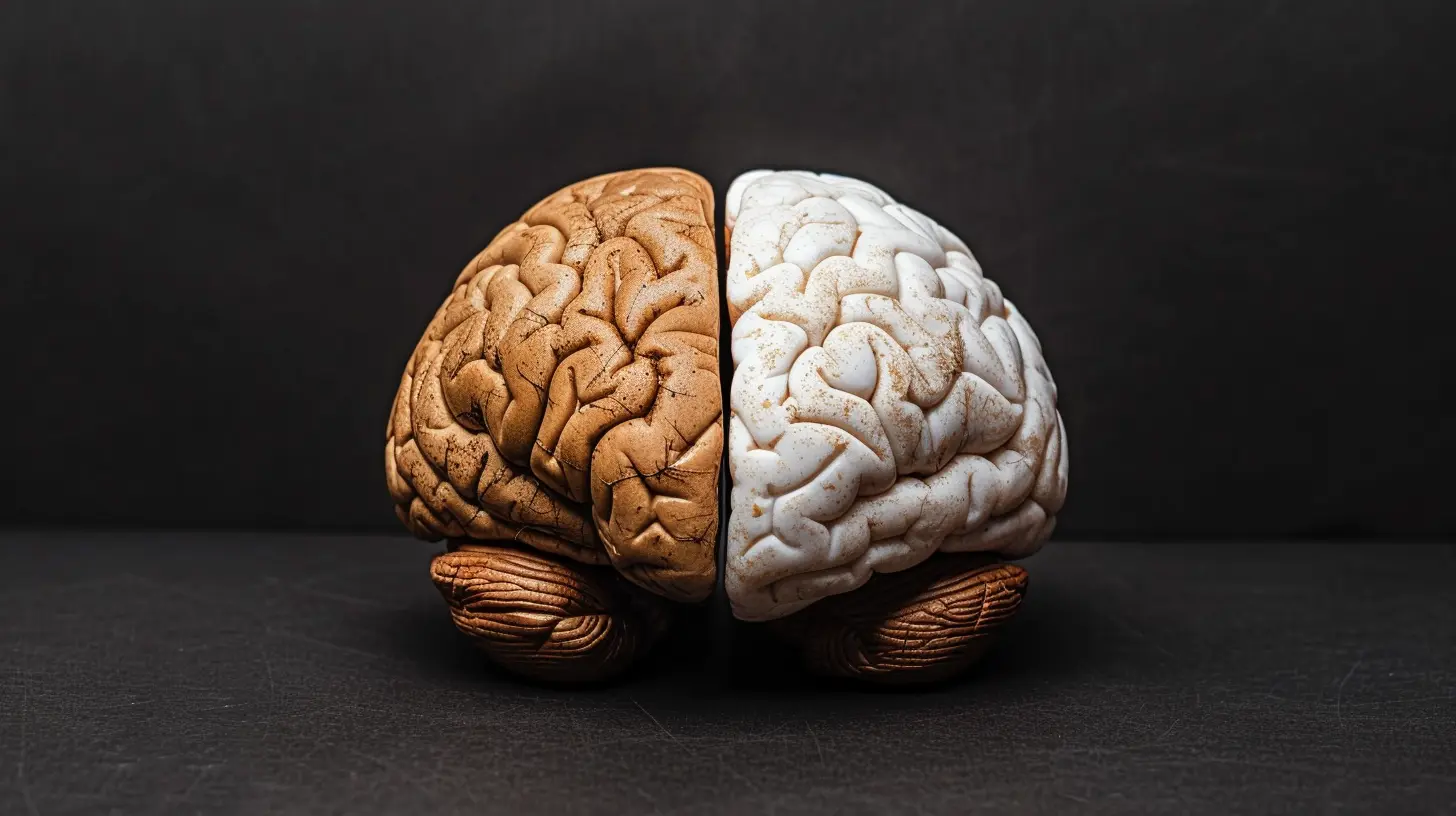
🎨 The Creative Right Hemisphere
And on the other side of the stage, we’ve got the right hemisphere—a free-spirited maverick that lives for creativity, intuition, and big-picture thinking.🎭 Creativity & Imagination
The right side shines when it comes to artistic expression. Whether it's painting, music, dance, or daydreaming about your next big idea—this hemisphere is leading the creative orchestra.It also helps us interpret metaphors, tone of voice, and abstract ideas. You know that spark you feel when you're inspired? That’s right-brain magic happening.
🧭 Spatial Awareness & Visual Processing
Ever noticed how some people can look at a room and instantly figure out how to rearrange furniture perfectly? That’s spatial reasoning at work, a right-hemisphere specialty. It processes shapes, distances, maps, and even facial recognition.So if you're great at puzzles, interior design, or playing sports that require sharp timing and positioning, give your right hemisphere a high five.
🌈 Intuition & Emotion
The right brain is deeply connected to emotional intelligence. It picks up on nonverbal cues, interprets facial expressions, and helps you "feel the vibes" in a room—basically, your inner empath lives here.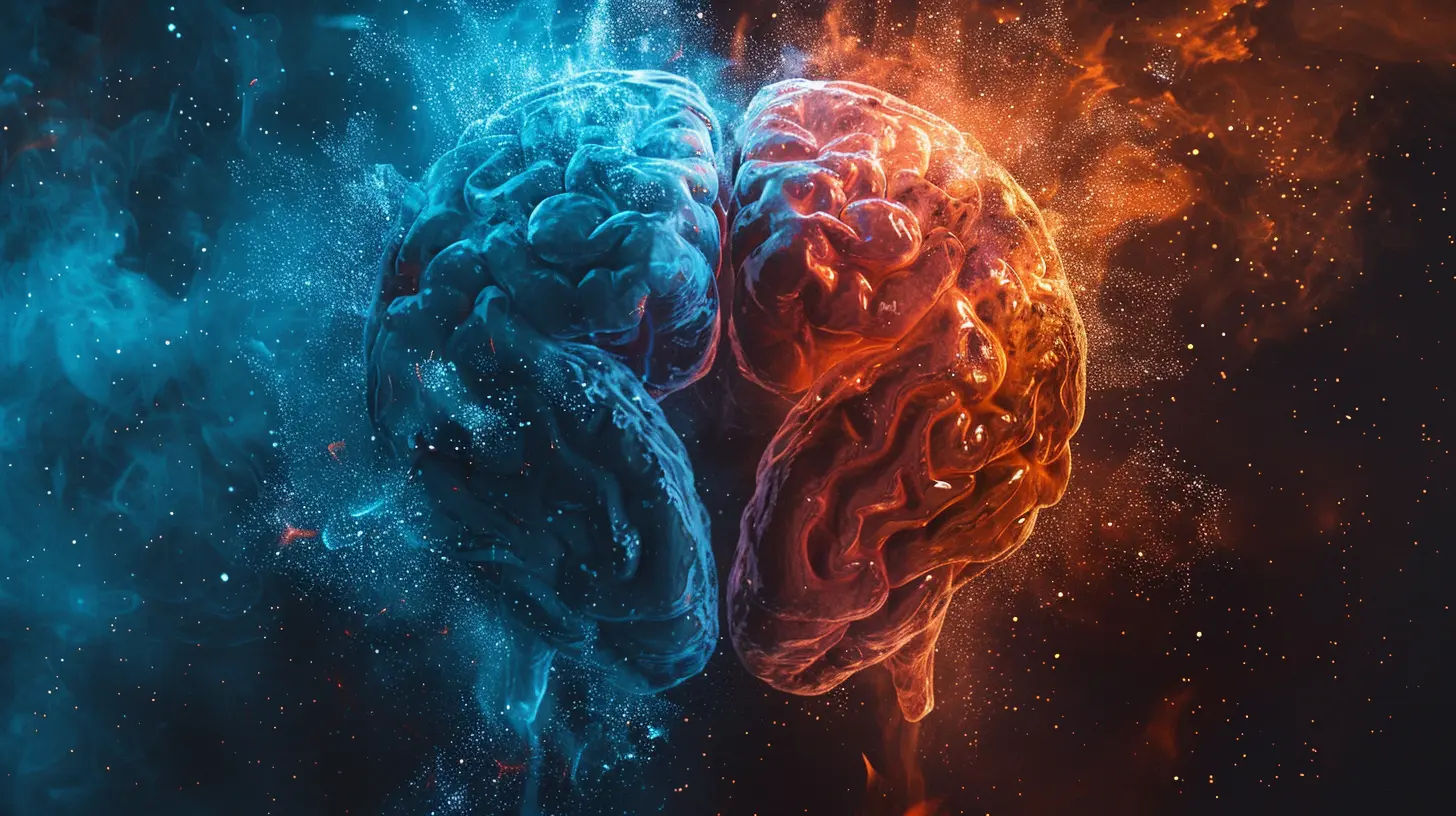
🧩 The Brain Isn’t One-Sided: Teamwork Makes the Dream Work
Okay, here’s the catch: while each hemisphere has its strengths, they never really fly solo. Almost every task requires a tag-team effort. For example, reading a poem involves language (left brain), but also rhythm, tone, and emotion (right brain).Even something as basic as holding a conversation uses both sides—left for words, right for interpreting gestures and tone. They're constantly passing notes back and forth like high school kids in a study hall.
So while brain lateralization is a real thing, the concept that you’re either “left-brained” or “right-brained” is a bit of a myth. You're both! And that’s the beauty of it.
🧬 Is Brain Lateralization the Same for Everyone?
Not exactly. While most people show left-dominant language function, some people (especially left-handed folks) may have more right-side or shared language processing. Brain lateralization can vary based on genetics, handedness, neurological differences, and even life experiences.And guess what? The brain is super adaptable. It can rewire itself after injury—a phenomenon known as neuroplasticity. So if one hemisphere is damaged, the other can often step in to help. It’s like having a superhero backup plan.
💡 Fun Brain Facts to Amaze (and Confuse) Your Friends
Because let’s face it—it’s always good to have trivia ready to go.- The left hemisphere controls the right side of your body, and vice versa. It’s a weird cross-wiring thing.
- The idea of being "left-brained" or "right-brained" gained popularity in the 1960s, partly due to Nobel Prize-winning work by Roger Sperry on split-brain research.
- Musical ability? It’s not just right-brain! Reading music uses logic and patterns—left-brain territory—while interpreting tone and emotion leans right.
- Your corpus callosum has around 200 million nerve fibers. That’s a whole lotta brain gossip flying back and forth!
- Contrary to myth, Einstein’s brain wasn’t particularly larger—just more interconnected between hemispheres.
🧘 How to Flex Both Hemispheres
Whether you're more logical or more artsy, there are ways to exercise both brain hemispheres. Think of it like a full-body workout—but for your mind.🚀 Left-Brain Boosters:
- Do crossword puzzles- Learn a new language
- Dive into data analysis or coding
- Organize your week with a planner
- Read nonfiction or technical books
🎨 Right-Brain Energizers:
- Paint or draw- Listen to music (or better yet, make some!)
- Meditate and visualize
- Try improv acting or storytelling
- Daydream—yes, seriously!
Mixing left and right brain activities keeps your mind balanced, agile, and ready for anything.
🤔 So, Which Hemisphere Rules You?
Here’s a fun quiz-like thought experiment: do you love making lists, or do you sketch little doodles all over them? Do you obsess over details or dream up big-picture ideas? Are you emotionally in tune or fact-focused?Chances are, you're a delightful blend. And that’s the real takeaway here. Instead of labeling yourself strictly logical or purely creative, celebrate the beautiful collaboration happening in your brain 24/7.
Because, at the end of the day, your brain isn’t picking sides—it’s throwing a party…and both hemispheres are DJing.
🧠 Final Thoughts
Brain lateralization is fascinating—not because it puts people into neat little boxes, but because it shows just how wonderfully complex and adaptable we humans really are. Your brain is capable of intricate thought, wild creativity, deep emotion, razor-sharp logic, and everything in between.So next time someone tries to box you in as a "left-brainer" or a "right-brainer," you can flash a knowing smile and say, “Actually, I’m using both sides. Full brain mode, thank you very much.
all images in this post were generated using AI tools
Category:
NeuroscienceAuthor:

Eliana Burton
Discussion
rate this article
2 comments
Lexi McFarland
Thank you for this insightful article! It beautifully highlights the complexities of brain lateralization and its impact on cognitive functions. I look forward to exploring this topic further.
March 10, 2026 at 4:05 AM
Eliana Burton
Thank you for your kind words! I'm glad you found the article insightful, and I hope you enjoy delving deeper into this fascinating topic!
Eliza Robinson
This article succinctly highlights the fascinating differences between brain hemispheres, shedding light on how lateralization impacts cognition and behavior. A must-read for anyone interested in understanding the complexities of the human brain!
February 21, 2026 at 3:41 AM
Eliana Burton
Thank you for your thoughtful comment! I'm glad you found the article insightful. Understanding brain lateralization is indeed crucial for grasping the complexities of cognition and behavior.