Cultural Sensitivity in Therapy: Techniques for Working with Diverse Populations
19 October 2025
Let’s be real—therapy isn’t a one-size-fits-all experience. People come from all walks of life, bringing with them unique backgrounds, belief systems, and stories. You wouldn’t wear someone else's shoes that are two sizes too small, right? So, why would we expect therapy to work the same way for everyone?
That’s where cultural sensitivity in therapy steps in. It’s not just a buzzword floating around on social media or scribbled on mission statements—it's a crucial skill every mental health professional needs in today’s diverse world. Whether you’re a seasoned therapist, a student, or someone curious about how therapy can be more inclusive, this post is for you.
Let’s break it all down and talk about what cultural sensitivity means, why it matters, and—most importantly—how therapists can become more culturally competent in real, practical ways.
What Is Cultural Sensitivity in Therapy, Anyway?
At its core, cultural sensitivity means acknowledging, respecting, and valuing the cultural backgrounds of clients in a therapeutic setting. Sounds simple, right? But let’s not sugarcoat it—this requires more than reading a handbook or hanging a world map in your office.It’s about understanding that culture influences how people see the world, express emotions, seek help, and even define mental health. Culture is like a lens we look through—it colors how we interpret everything.
In therapy, cultural sensitivity is the key to building trust, avoiding misunderstandings, and helping clients feel seen, heard, and understood for who they are—not who the therapist assumes they are.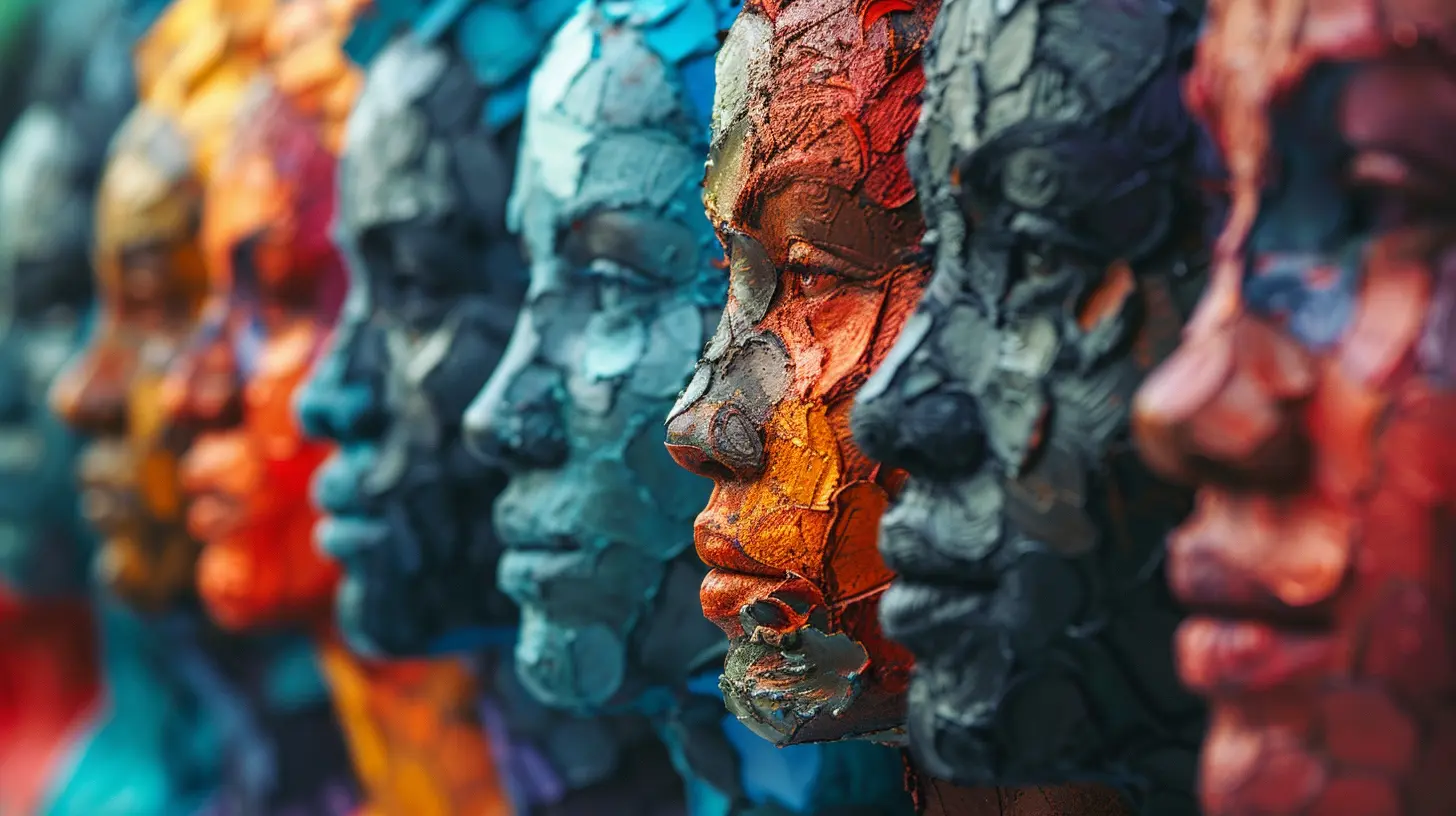
Why Cultural Sensitivity Matters in Mental Health
Think of it this way: Imagine opening up about your deepest fears and struggles to someone who doesn’t get where you’re coming from culturally. That disconnect can feel like a wall, and therapy is supposed to be a bridge.Cultural insensitivity can lead to:
- Misdiagnosis or misunderstood symptoms
- Broken trust and early termination of therapy
- Increased stigma and reluctance to seek help
- Clients feeling unseen or judged
On the flip side, culturally sensitive therapy creates a safe space where clients from diverse backgrounds feel:
- Heard without judgment
- Empowered to share openly
- Validated in their experiences
So yeah, it matters—a lot.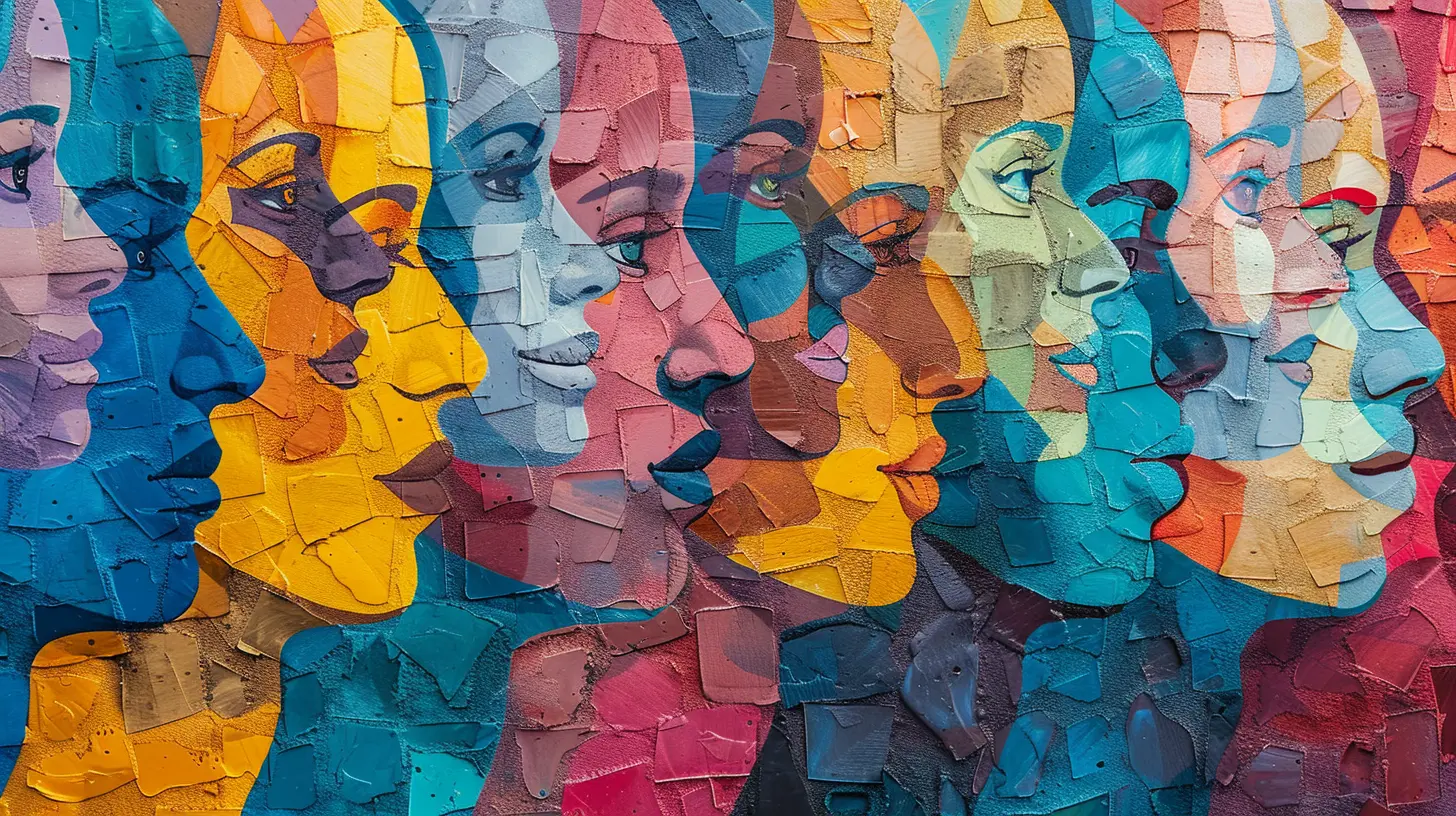
The Diversity Spectrum: It’s More Than Just Race
Let’s clear up a common myth: cultural diversity isn’t just about race or ethnicity. It includes a wide range of identities and experiences, such as:- Language and communication styles
- Religion and spirituality
- Gender identity and sexual orientation
- Socioeconomic status
- Immigration status
- Generational beliefs and family roles
- Disability and neurodiversity
Every individual sits at the intersection of multiple identities—and each one can shape how they experience the world, including therapy.
Common Challenges Therapists Face
Let’s not pretend cultural sensitivity is always easy. Even the most well-meaning therapists can hit roadblocks. Here are some common challenges:1. Unconscious Bias
We all have it—it’s part of being human. But in the therapy room, unconscious bias can create blind spots. For example, assuming a client from a particular culture doesn’t believe in therapy or labeling certain behaviors as “resistant” when they’re actually culturally influenced.2. Language Barriers
Language is more than words; it’s about nuance, emotion, and expression. Therapists may struggle to grasp the emotional depth if there’s no shared language or if concepts don’t translate well.3. Lack of Cultural Knowledge
You don’t know what you don’t know, right? Without adequate training or exposure, therapists can unintentionally miss crucial cultural context that changes the meaning of what’s being shared.4. Fear of Offending
Sometimes therapists hold back questions or interventions because they’re afraid of saying the wrong thing. This “tiptoeing” can lead to vague, ineffective therapy sessions.Techniques for Culturally Sensitive Therapy
Okay, so how can therapists actually improve their cultural sensitivity? Here’s a toolbox full of practical, real-world techniques:1. Start with Cultural Humility
Forget about being an “expert” on someone’s culture. Instead, approach every client with curiosity and humility. Cultural humility means you acknowledge that your client is the expert on their lived experience. Ask open-ended questions like:- "How do you prefer to talk about mental health?"
- "Are there any cultural or family values I should be aware of?"
It’s about listening to understand, not to respond.
2. Get Comfortable with Being Uncomfortable
Talking about race, religion, gender, or class can feel awkward. But growth doesn't happen in your comfort zone. Therapists need to get used to these conversations and create spaces where clients feel okay bringing these topics into the room.3. Check Your Biases—Regularly
This one’s ongoing. Use supervision, peer discussions, and self-reflection to uncover any unconscious biases. Ask yourself:- Do I make assumptions based on someone’s appearance or accent?
- Have I ever given advice that might not align with someone’s cultural values?
Owning your bias doesn’t make you a bad therapist—it makes you a self-aware one.
4. Diversify Your Toolbox
Some therapeutic approaches might need tweaking depending on the culture. For example, Western cognitive-behavioral models often focus on individual autonomy, while some cultures prioritize family and community. Be adaptable. Mix up your methods.5. Use Culturally Relevant Resources
Recommend books, support groups, or interventions that reflect your client’s background. Representation isn’t just nice—it’s necessary. Clients need to see themselves in the tools you offer.6. Involve Interpreters or Cultural Brokers (If Needed)
Don’t wing it. When language or cultural nuances get lost, a trained interpreter or cultural broker can bridge the gap. Just make sure they’re briefed on confidentiality and therapeutic boundaries.7. Reflect Cultural Norms in the Therapy Space
This can be as simple as having diverse artwork, reading material, or even the option of herbal tea instead of coffee. Small details show your commitment to inclusivity and can make a big difference.8. Educate Yourself—Constantly
Read, attend workshops, listen to podcasts. Culture is not a static subject you study once—it’s ever-evolving. The more you learn, the less likely you are to pigeonhole people or make incorrect assumptions.Walking the Talk: Case Examples
Let’s ground this in reality with some quick examples.Case 1: Working with a Latinx Client
Maria, a 22-year-old first-generation college student, seeks therapy for anxiety. She speaks Spanglish, feels torn between her traditional family and college friends, and struggles with guilt over moving away.A culturally sensitive therapist would:
- Normalize her feelings of bicultural conflict
- Possibly incorporate her mother tongue when appropriate
- Understand the significance of family loyalty in her culture
- Avoid labeling her family dynamics as "enmeshed" without context
Case 2: Supporting a Muslim Client
Ahmed comes in dealing with stress and mild depression. He observes Ramadan, prays five times a day, and mentions feeling isolated at work.A culturally sensitive therapist would:
- Respect and accommodate his prayer times and fasting
- Understand the spiritual dimensions of his mental health
- Avoid pathologizing religious practices
- Create a space to discuss faith without judgment
The Therapist as a Learner: Always Evolving
Here’s the truth: cultural competency isn’t a box you check off on a to-do list. It’s a lifelong journey. Cultures shift, languages evolve, and societies become more diverse every day.Therapists who approach each session like a cultural exchange—not a cultural conquest—are the ones who truly connect with their clients. Think of yourself as a student with every new client. Ask questions. Be open. Be humble. And when you mess up (because you will, let’s be honest), own it and learn from it.
Final Thoughts: Be the Therapist Who “Gets It”
To be culturally sensitive in therapy is to hold space for stories that might not look like your own. It’s about meeting people where they are—even if it’s a place you’ve never been. When clients see that you’re trying—not perfectly, but earnestly—they’re more likely to show up as their full selves. And that’s when the real healing happens.So, whether you’re adjusting your language, rethinking your therapeutic models, or just listening more deeply, remember: cultural sensitivity isn’t about doing everything right. It’s about doing your best, every single session, to show up with empathy, curiosity, and respect.
👣 Small steps, big impact. That’s the magic of culturally sensitive therapy.
all images in this post were generated using AI tools
Category:
Therapy TechniquesAuthor:

Eliana Burton
Discussion
rate this article
1 comments
Max Thornton
Embracing cultural sensitivity in therapy enriches connections and fosters healing. Let's celebrate diversity and empower our clients by understanding their unique backgrounds and experiences!
October 30, 2025 at 3:21 AM
Eliana Burton
Thank you for your insightful comment! Embracing cultural sensitivity truly enhances the therapeutic relationship and promotes healing. Celebrating diversity is essential in empowering our clients.