Childhood Grief and Its Impact on Mental Health
15 August 2026
Grief is never easy—especially for children. While adults often have the tools and emotional development to navigate the stormy seas of loss, kids are still building their emotional compasses. Childhood grief can be complicated, confusing, and overwhelming. And, when left unaddressed, it can have a profound and lasting impact on mental health as they grow older.
In this article, we'll dive deep into the world of childhood grief—what it looks like, how it manifests, and its long-term effects. We’ll also explore how caregivers and professionals can support grieving children, ensuring they get the help they need to process loss in healthy ways.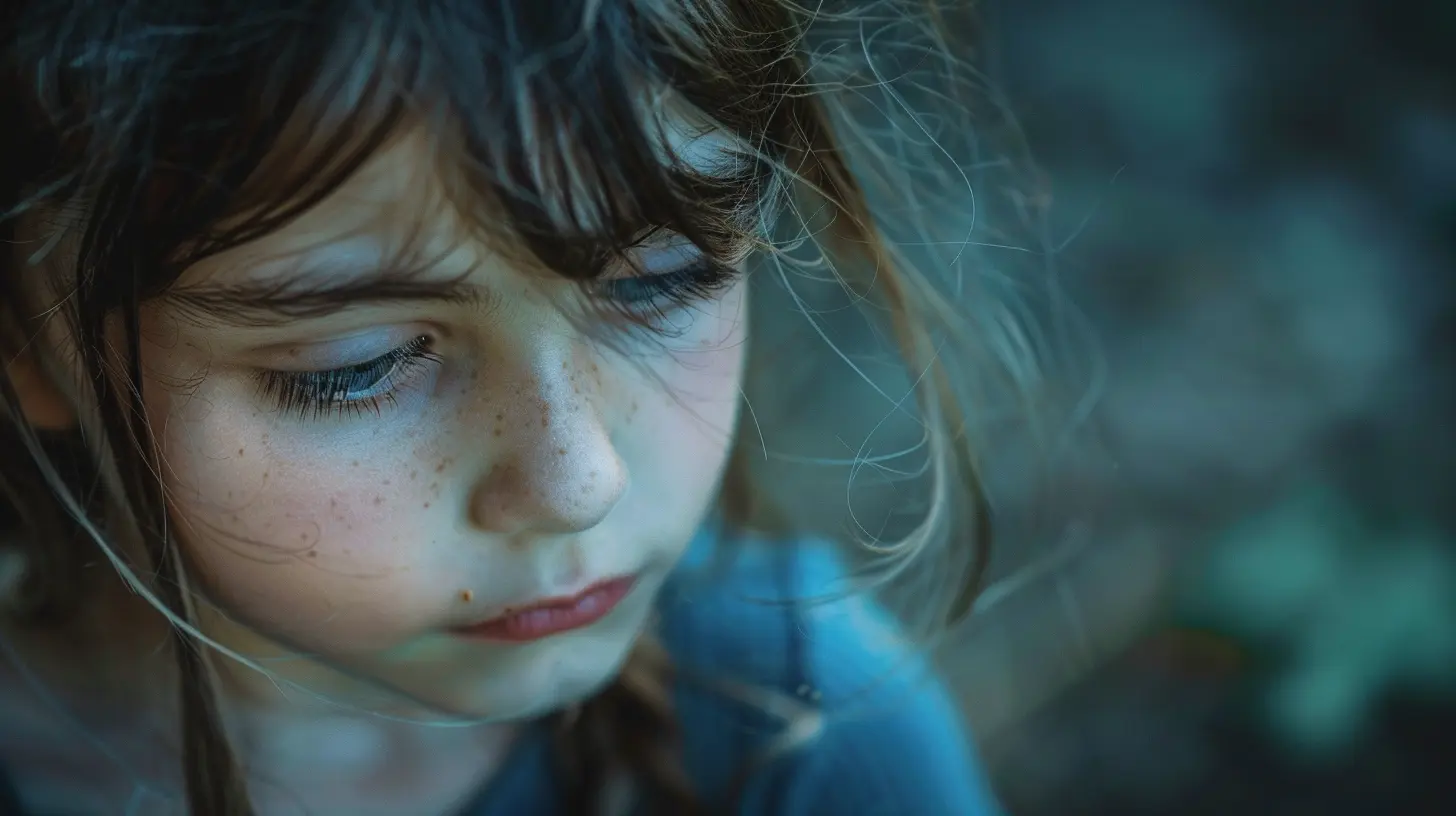
What is Childhood Grief?
When we think of grief, we often picture adults mourning the loss of a loved one, but children experience grief too. Childhood grief refers to the emotional response a child has when they face loss. This loss could be the death of a close family member, a pet, or even the parents' separation.While we may expect children to "bounce back" quickly because they seem resilient, the truth is their grieving process can be just as complex as an adult’s—sometimes even more so. Children may not fully understand the concept of death or loss, and this can add layers of confusion and fear to their grief.
Why is Childhood Grief Different?
One of the biggest differences between childhood grief and adult grief is how it presents itself. Children may not have the vocabulary or emotional awareness to express their feelings. Instead, their grief might show up in ways that seem unrelated to the loss—like behavioral changes, sleep problems, or even physical complaints like stomachaches.It’s important to remember that children grieve differently based on their age, developmental stage, and the nature of the loss. A toddler who loses a parent might not understand the permanence of death, while a teenager might struggle with existential questions and feelings of isolation.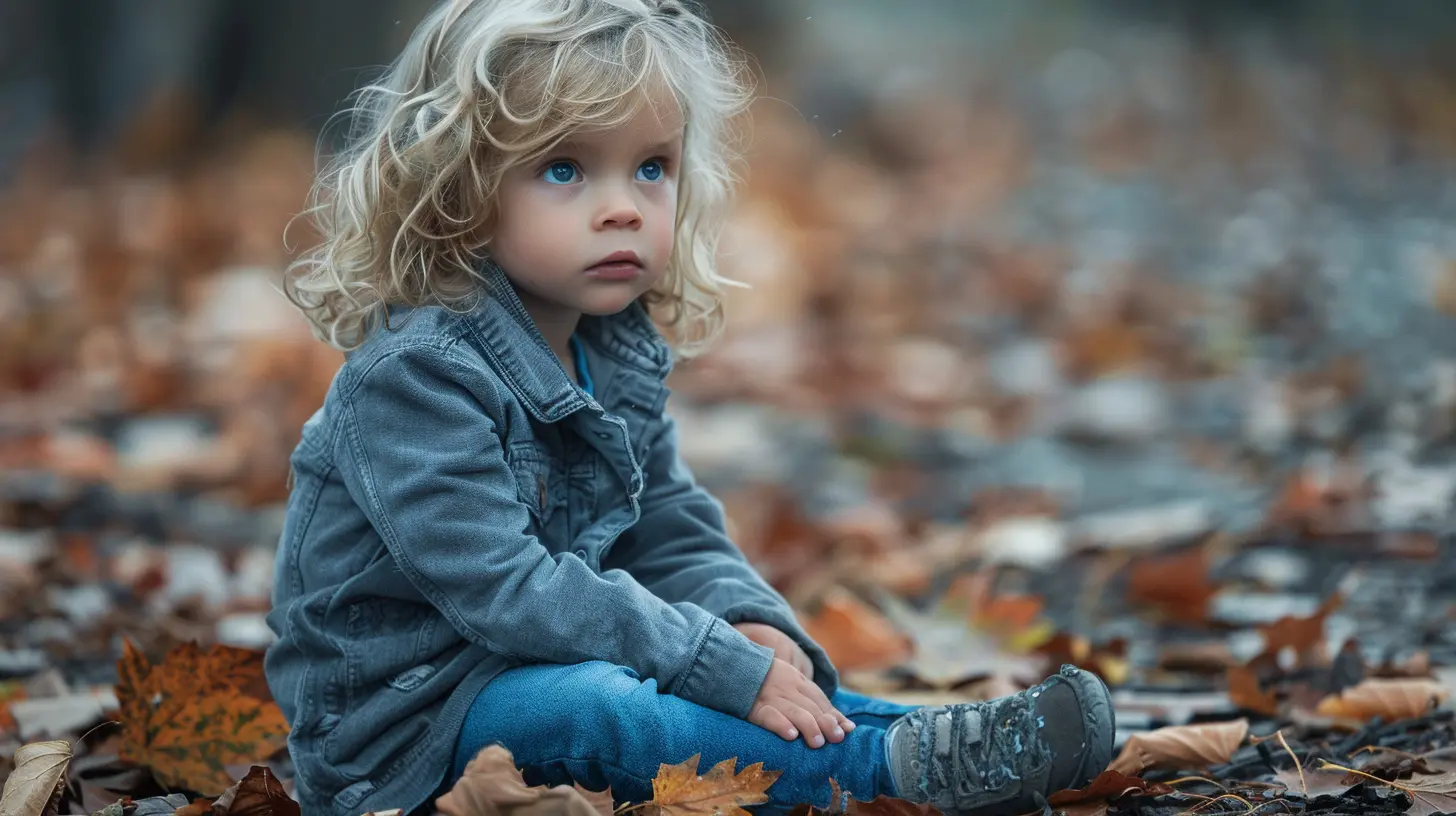
The Stages of Grief in Children
You’ve likely heard of the five stages of grief—denial, anger, bargaining, depression, and acceptance—popularized by Elisabeth Kübler-Ross. While these stages are often associated with adult grief, children also experience these emotions. However, their grieving process is typically less linear and more cyclical. They may bounce between different stages of grief, sometimes revisiting emotions they thought they had already processed.Denial
At first, children may refuse to believe the loss has occurred. They might act as if the deceased person or missing family member will return. This denial is a defense mechanism, protecting them from the overwhelming reality of the situation.Anger
Once the initial shock fades, anger can set in. Children might be angry at the person who died, at themselves, or even at caregivers for not preventing the loss. This anger often comes from a place of helplessness and confusion.Bargaining
Children may try to "bargain" with the universe, making deals in their heads to bring the person or situation back. While this stage is more common in older children who have a better understanding of cause and effect, even younger children may engage in magical thinking, believing that their actions can reverse the loss.Depression
As the reality of the loss sinks in, sadness becomes more prominent. Children might feel deep sorrow, loneliness, or even guilt if they believe they had something to do with the loss. This stage can be particularly difficult if adults around them are also grieving and unable to provide emotional support.Acceptance
Finally, children may come to accept the loss as a part of life. However, it’s important to note that acceptance doesn’t mean they "get over it." Instead, they learn to live with the loss and integrate it into their understanding of the world.
Signs of Grief in Children
Because children don’t always express grief in the same way as adults, it’s essential to keep an eye out for signs that a child is struggling. Some of the most common indicators of childhood grief include:Behavioral Changes
Children might become irritable, withdrawn, or act out more than usual. They may also have trouble concentrating in school or show signs of regression, such as bedwetting or thumb-sucking.Sleep Disturbances
Grieving children often have trouble sleeping. They may experience nightmares or refuse to sleep alone, fearing something bad will happen when they close their eyes.Physical Symptoms
Grief can also manifest physically in children. Headaches, stomachaches, and general fatigue are common complaints. These symptoms might be the child’s way of expressing their emotional pain when they don’t have the words to describe it.Emotional Outbursts
Sudden bursts of anger or sadness are common in grieving children. These outbursts may seem out of proportion to the situation but are often a way for the child to release bottled-up emotions.Isolation
Older children and teens might withdraw from friends and family, preferring to be alone. This isolation can be a sign they are struggling to process their emotions and don’t know how to ask for help.
The Long-Term Impact of Childhood Grief on Mental Health
Childhood grief doesn’t just disappear with time—it can have long-lasting effects on mental health if not addressed. The emotional toll of losing someone or something important during childhood can leave deep scars.Anxiety and Fear
Children who experience loss at a young age may carry a heightened sense of anxiety into adulthood. They might develop an intense fear of losing others or become overly attached to their caregivers, fearing abandonment.Depression
Untreated grief can lead to chronic depression, even years after the loss. Children who don’t receive the support they need may struggle with feelings of hopelessness and sadness that persist into their adult lives.Difficulty Forming Relationships
A child who has experienced a significant loss may have trouble forming trusting relationships later in life. They might fear getting close to others, worried that they’ll lose them too.Low Self-Esteem
Grieving children may internalize the loss, believing it was somehow their fault. This can lead to feelings of guilt and low self-worth, which can persist throughout their lives.Supporting a Grieving Child
So, what can we do to help children navigate the choppy waters of grief? First and foremost, it’s essential to create a safe and supportive environment where they feel comfortable expressing their emotions.Encourage Open Communication
Children need to know it’s okay to talk about their feelings. Encourage them to ask questions and share their thoughts, even if they seem irrational or confusing. Sometimes, just having someone listen can make all the difference.Be Honest
It’s tempting to shield children from the harsh realities of death and loss, but honesty is the best policy. Use age-appropriate language to explain what has happened, and avoid euphemisms like "gone to sleep" or "passed away," which can confuse younger children.Maintain Routines
While life might feel chaotic after a loss, children thrive on routine. Keeping their daily schedules as consistent as possible can provide a sense of stability during an otherwise tumultuous time.Seek Professional Help
Sometimes, grief is too overwhelming for a child to handle on their own. In these cases, seeking help from a therapist or counselor who specializes in childhood grief can be incredibly beneficial. These professionals can offer coping strategies and provide a safe space for children to process their emotions.The Role of Caregivers in Childhood Grief
Caregivers play a crucial role in helping a child cope with grief. But it’s important to remember that caregivers are often grieving too. Here are some tips for caregivers trying to support a grieving child while caring for their own emotional well-being.Be Present
You don’t need to have all the answers. Sometimes, just being physically and emotionally present is enough. Sit with the child, listen to their concerns, and reassure them that they are not alone in their sadness.Lead by Example
Children often take emotional cues from the adults around them. If you’re open about your grief and express your emotions in a healthy way, you’re teaching them that it’s okay to feel sad and that there’s no "right" way to grieve.Don’t Rush the Process
Grief doesn’t have a timeline, especially for children. They might seem fine one day and devastated the next. Be patient and allow them to grieve at their own pace.Conclusion
Childhood grief is a complex and often misunderstood experience. While it can have a significant impact on a child's mental health, there are ways to help them navigate this challenging time. By providing support, understanding, and professional guidance when needed, we can help children process their grief in healthy ways, ensuring they grow into emotionally resilient adults.It’s crucial to remember that grief, especially in children, isn’t something that can be "fixed." Instead, it’s an ongoing process of learning to live with loss. With the right support, children can emerge from their grief stronger and more emotionally aware, ready to face life's challenges head-on.
all images in this post were generated using AI tools
Category:
Psychological Disorders In ChildAuthor:

Eliana Burton
Discussion
rate this article
1 comments
Orionis Bowman
Losing a favorite toy can feel like a major life crisis when you're a kid. It's like the first step into the wild world of emotions. Childhood grief is real, and we all know it takes a while to bounce back from the big stuff... or the lost stuff.
August 18, 2026 at 4:47 AM
Eliana Burton
Absolutely, losing a favorite toy can trigger deep feelings. It's a poignant reminder of how early experiences shape our emotional landscape. Understanding this helps us support kids through their grief.