Building a Mentally Fit Home Environment
8 November 2026
Creating a home that nurtures mental well-being is not just about fresh paint and cozy furniture. It's about crafting a space that fosters positivity, reduces stress, and promotes healthy habits. In this article, we'll dive into the essential elements of a mentally fit home environment, offering practical advice and insights that can transform your living space into a sanctuary for your mind.

Understanding the Importance of Environment
The Connection Between Space and Mental Health
Our environment plays a significant role in our mental health. Studies have shown that cluttered, chaotic spaces can lead to increased stress and anxiety. Conversely, organized and aesthetically pleasing environments can enhance mood and productivity.When you think about it, your home is a reflection of your mental state. If your space feels overwhelming or disorganized, it can contribute to feelings of anxiety or depression. On the other hand, a well-structured environment can promote calmness and clarity.
The Role of Personalization
Personalizing your space can also have a profound impact on your mental health. Surrounding yourself with items that bring you joy-whether it's artwork, family photos, or souvenirs from your travels-can enhance feelings of comfort and belonging.However, personalization should be balanced. Too many personal items can lead to clutter, which can create the opposite effect. Finding a happy medium is key.
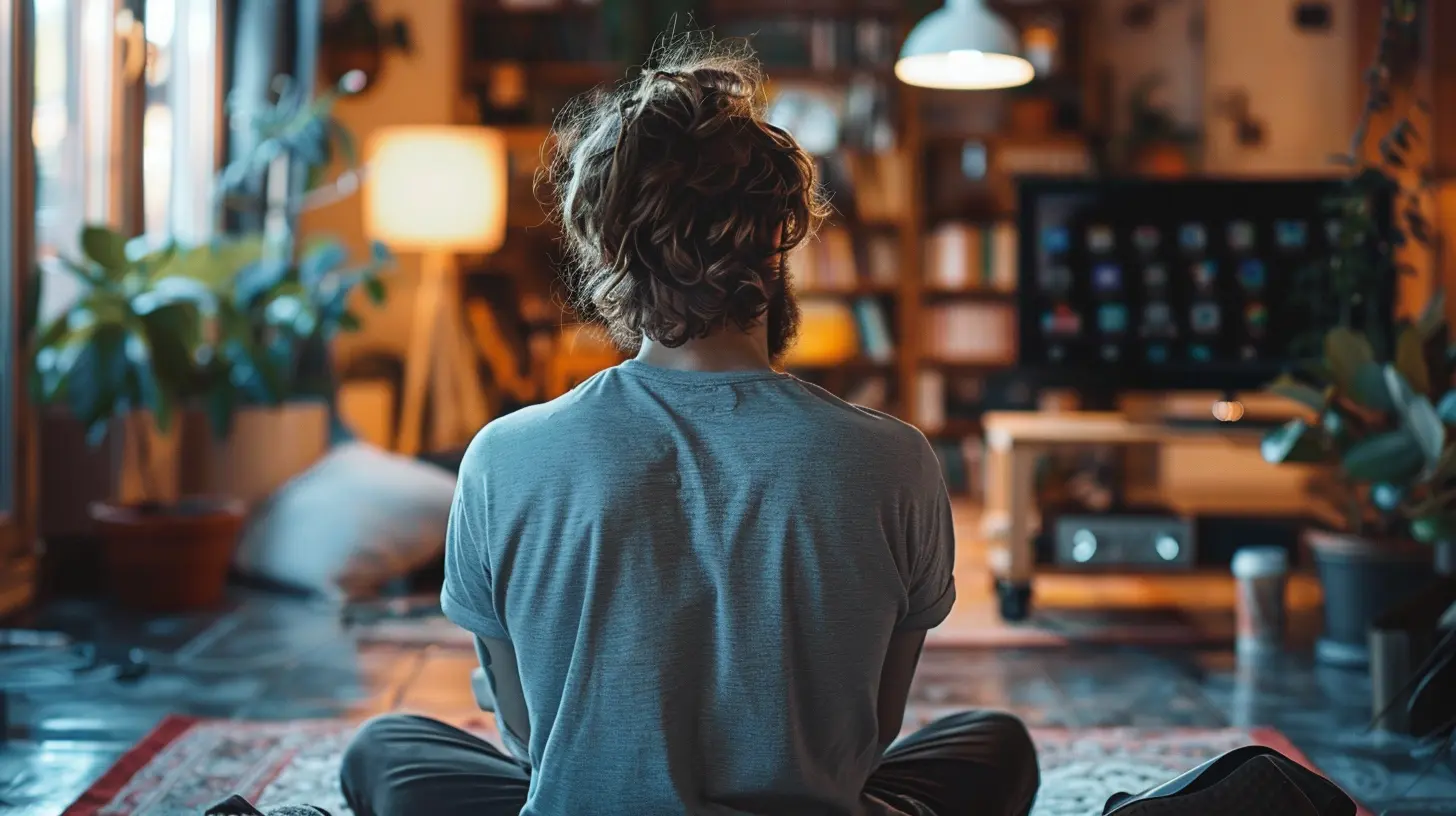
Key Elements of a Mentally Fit Home
1. Decluttering: The Power of Less
Why Declutter?
Decluttering is more than just tidying up; it's about creating a space that feels open and inviting. Clutter can be overwhelming, making it difficult to focus and relax.How to Declutter
Begin by tackling one area at a time. Create three categories: keep, donate, and toss. As you sort through items, ask yourself if each item adds value to your life. If it doesn't, it's likely time to let it go.Set a timer for 15-30 minutes to avoid burnout. You'd be surprised at how much you can accomplish in a short amount of time.
2. Natural Light: A Mood Booster
The Benefits of Natural Light
Natural light is a powerful mood enhancer. Exposure to sunlight increases serotonin levels, which can improve your mood and help you feel more focused.Maximizing Natural Light
To make the most of natural light, consider these tips:- Use light curtains: Sheer curtains allow sunlight to filter in while providing some privacy.
- Keep windows clean: A clear window lets in more light and can improve your outlook.
- Position mirrors strategically: Mirrors can reflect light and make your space feel larger and brighter.
3. Color Psychology: Choosing the Right Hues
How Colors Affect Mood
Colors can evoke different emotional responses. For example, blue is often associated with calmness, while yellow can stimulate creativity and energy.Selecting Colors for Your Space
Consider painting your walls or incorporating colorful decor that aligns with the mood you want to create.- Calming Spaces: Soft blues and greens can create a tranquil environment.
- Energizing Areas: Bright yellows or oranges can be uplifting in workspaces or play areas.
4. Creating Cozy Spaces
The Importance of Comfort
Cozy spaces invite relaxation and can be essential for mental health. Think of areas where you can unwind, such as reading nooks or meditation corners.How to Create Cozy Areas
- Layer textiles: Use throws, cushions, and rugs to add warmth.- Incorporate soft lighting: Lamps and fairy lights can create a soothing atmosphere.
- Add plants: Indoor plants not only beautify a space but can also improve air quality and boost your mood.
5. Designated Areas for Activities
Why Designate Spaces?
Having specific areas for different activities can help you mentally transition between tasks. For instance, a dedicated workspace can improve productivity, while a relaxation area can enhance your unwinding process.Tips for Designating Areas
- Workspaces: Keep your work area organized and free from distractions to enhance focus.- Relaxation Zones: Create a space with comfortable seating, calming decor, and perhaps some soft music.

Best Practices for Maintaining a Mentally Fit Home
Establish Routines
Creating daily routines can help your mind feel grounded. Simple practices like making your bed each morning or having a designated reading time in the evening can foster a sense of stability.Incorporate Mindfulness
Mindfulness practices can be integrated into your home life. Consider setting aside a few minutes each day for meditation or deep breathing exercises in a quiet corner of your home.Limit Digital Distractions
In our technology-driven world, it's easy to become overwhelmed by digital distractions. Set boundaries around screen time and create tech-free zones in your home to encourage more mindful living.
Common Mistakes to Avoid
Over-Personalization
While personal items can enhance comfort, too many can lead to visual clutter. Aim for a balance that reflects your personality without overwhelming the space.Neglecting Maintenance
A mentally fit home requires upkeep. Regularly declutter, clean, and refresh your space to keep it inviting and uplifting.Ignoring Your Needs
Everyone's mental health needs are different. What works for one person may not work for another. Regularly assess how your environment feels and make changes as necessary.Real-World Examples
Case Study: The Power of a Reading Nook
Consider Sarah, a busy professional who found it hard to unwind after work. She created a small reading nook in her living room, complete with a comfortable chair, a soft blanket, and a small bookshelf. This designated space became her sanctuary, allowing her to escape into books and reduce stress.Trade-Offs: Open Spaces vs. Cozy Corners
While open floor plans can create a sense of spaciousness, they can also feel impersonal. Conversely, cozy corners can enhance comfort but may limit social interaction. Consider your lifestyle and preferences when designing your space.
Conclusion
Building a mentally fit home environment is a journey, not a destination. By understanding the impact of your surroundings and making intentional choices, you can create a space that nurtures your mental health. Remember to personalize your environment, maintain routines, and regularly assess what works for you.A home that supports your mental well-being is one that encourages you to thrive, relax, and feel at peace.
all images in this post were generated using AI tools
Category:
Mental FitnessAuthor:

Eliana Burton