Breaking the Stigma: Mental Health Conversations in 2027
15 April 2026
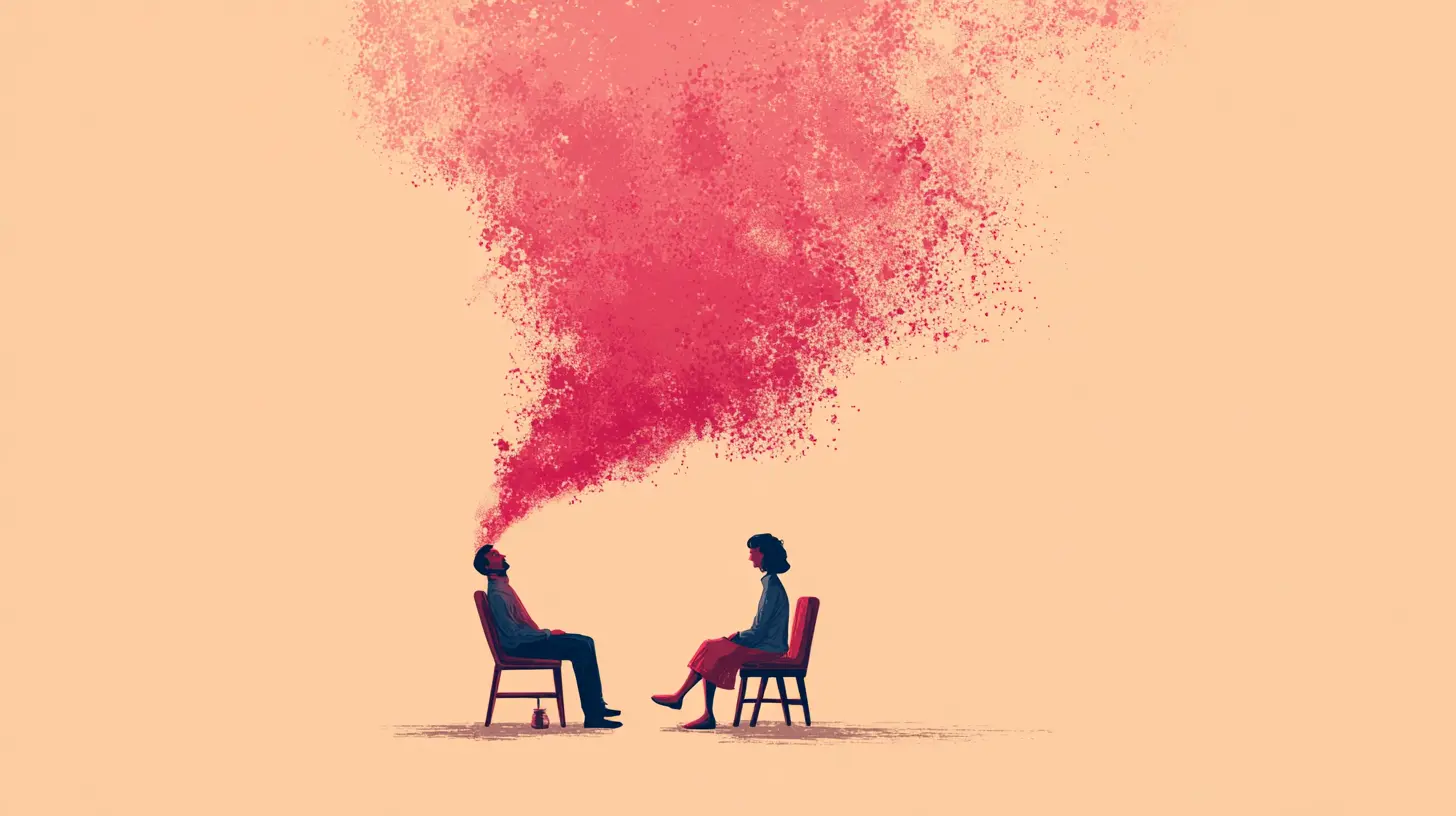
Let’s be brutally honest for a second. Talking about mental health, for a very long time, felt like whispering in a library full of shouting people. You were afraid of being shushed, judged, or worse—completely ignored. The stigma was this thick, soundproof glass wall between what we felt inside and what we dared to say out loud. Fast forward to today, and the whispers have become conversations. But where are we headed? What do mental health conversations look like in 2027? It’s not about futuristic hologram therapists (though, who knows?), but about a fundamental shift in our cultural fabric. We’re not just breaking the stigma; we’re sweeping up the pieces and building something new with them.

The Old Wall: What We’re Finally Moving Past
To understand 2027, we need to glance in the rearview. Stigma didn’t just appear out of thin air. It was built, brick by brick, from centuries of misunderstanding, fear, and plain old bad science. Mental health conditions were seen as moral failings, weaknesses of character, or something to be locked away. This created a culture of silence so dense it became a character trait: “Just tough it out.” “Everyone feels down sometimes.” “Don’t air your dirty laundry.”That silence had a cost, a massive one. It kept people from seeking help, made them feel profoundly alone in their suffering, and literally cost lives. The “wall” wasn’t just a metaphor; it was a barrier to treatment, to compassion, and to human connection. We diagnosed ourselves with being “crazy” or “broken” long before we ever considered speaking to a professional. The conversation, if it happened at all, was hushed, shrouded in shame, and often relegated to the darkest corners of our lives.
The Cracks in the Foundation: How the Shift Began
So, how did we start chipping away at this monolith? Think of it like a dam finally developing cracks under sustained pressure. Several powerful streams of change converged:1. The Digital Double-Edged Sword: Social media, for all its pitfalls, became an unexpected megaphone. People started sharing their stories—raw, unfiltered, and public. Suddenly, you realized the influencer you followed, the comedian you loved, the person in your friends list with the “perfect” life… they were talking about panic attacks, therapy, and medication. This massive, collective “me too” moment for mental health was revolutionary. It normalized the conversation, but it also created a lot of noise. Armchair diagnoses and oversimplified advice became currency. It was a messy, necessary, and powerful first step.
2. The Language Revolution: We began to meticulously choose our words. We moved away from labels like “crazy” or “psycho” and started understanding person-first language. We learned the difference between feeling “sad” and clinical depression, between “being nervous” and having an anxiety disorder. This wasn’t about political correctness; it was about precision and respect. Language shapes reality. When we change our words, we slowly change our thoughts.
3. The Pandemic Pressure Cooker: Let’s not mince words. The global pandemic was a traumatic, collective event. But it blasted the doors off the mental health conversation. When the entire world is experiencing heightened anxiety, grief, and isolation, it becomes impossible to pretend it’s just a “personal weakness.” Employers, schools, and mainstream media had to talk about it. The pressure cooker forced the steam to release, and with it came a new, unavoidable awareness.
Mental Health in 2027: A Landscape of Nuance and Integration
This brings us to the near future. By 2027, the conversation isn’t just about mental health; it’s seamlessly woven into the broader dialogue about health, period. Here’s what that looks like.The End of the "Separate Sphere"
In 2027, we’ve largely stopped treating the mind and the body as two separate entities managed by different mechanics. You go for your annual “health check,” and it’s not just blood pressure and cholesterol. It includes a standardized, destigmatized mental health screening—as routine as a vision test. Your primary care doctor feels as comfortable asking about your stress levels and sleep patterns as they do about your diet. Why? Because we finally, fully embraced the truth: a diabetic needs insulin, a depressed brain may need serotonin support. It’s all biochemistry. It’s all health.Precision & Personalization: Beyond "One-Size-Fits-All"
The buzzword of 2027 is context. We’ve moved past the generic “Have you tried yoga and journaling?” advice. Conversations are nuanced and specific. We talk about how anxiety manifests differently in a single parent, a CEO, and a college athlete. We understand that trauma has a unique fingerprint. Therapy modalities are discussed like fitness routines—what works for your neighbor’s “brain workout” might not work for yours, and that’s okay. We have access to more data (ethically and privately applied) that helps tailor approaches, from genetic markers that inform medication choices to app-based tools that track mood in relation to specific life events. The conversation is less “Are you okay?” and more “What does your okay look like, and what’s helping you get there?”The Workplace: From Perk to Infrastructure
Remember when companies added a token “Employee Assistance Program” (EAP) brochure in the breakroom and called it a day? By 2027, that’s a relic. Mental health support is not a fringe benefit; it’s a core part of organizational infrastructure, as critical as IT or HR.* Psychological Safety is Measured: Teams and managers are assessed on it. Can people speak up without fear? Is failure treated as a learning opportunity? This isn’t touchy-feely stuff; it’s directly linked to innovation and retention.
* "Mental Health Days" are Just "Health Days": No need for euphemisms or fake colds. You take a day for a migraine or a day for a debilitating wave of depression. The culture assumes good intent.
* Leaders Lead the Conversation: It’s not just HR sending emails. Managers are trained to have compassionate, boundaried check-ins. A senior leader might openly block their calendar for “therapy” or talk about their own mindfulness practice, modeling that performance and humanity are not mutually exclusive.
Technology: The Connector, Not the Replacement
In 2027, tech has found its mature role. It’s not about replacing human connection but facilitating and enhancing it.* AI as a First Responder: Sophisticated, empathetic AI chatbots can provide immediate, evidence-based coping strategies during a 3 a.m. anxiety spike, and then seamlessly guide you to book a live therapist session for the morning.
* VR for Exposure & Empathy: Virtual Reality isn’t just for gaming. It’s a powerful therapeutic tool for safely processing trauma or phobias. But it’s also used for empathy training—allowing someone to literally “step into” the sensory experience of a panic attack to better understand a loved one.
* Community in Your Pocket: Digital platforms have evolved from broad forums to curated, safe, micro-communities. Think support groups for specific niches: new mothers with OCD, engineers with autism, retirees navigating late-life depression. The isolation of a rare condition is a thing of the past.
The Lingering Challenges: The Conversations We're Still Having
It’s not all smooth sailing to 2027. Some old demons wear new masks. The Accessibility Chasm: While the conversation is mainstream, access to quality, affordable care remains a brutal inequity. In 2027, we’re arguing less about whether to get help and more about how to make it available to everyone*. The conversation is fiercely political and focused on systemic change.
* Performative Wellness: Has the trendiness of mental health created a new kind of pressure? The fear of not being “mindful” enough? In 2027, we’re pushing back against a one-size-fits-all wellness industrial complex. Meditation apps are great, but they’re not a cure-all. The conversation includes calling out capitalism co-opting self-care.
* The Over-Medicalization Debate: As we become more comfortable with diagnosis, a new conversation emerges: are we pathologizing normal human emotion? Is there a risk in viewing all sadness, anxiety, or eccentricity through a clinical lens? The dialogue in 2027 is sophisticated, acknowledging the need for clinical care without losing the rich, messy spectrum of normal human experience.

Your Part in the 2027 Conversation
This future isn’t passive. It’s built by the choices we make every day, right now. So, what’s your role?Be a Nuanced Listener. In 2027, we listen to understand, not to respond or fix. We ask, “What’s that like for you?” instead of jumping to “You should try…”
Embrace "I Don't Know, But I'm Here." You don’t need to be an expert. The most powerful phrase in the future of mental health is often not having the answers, but offering steadfast presence.
Talk About the Good, Too. Mental health isn’t just about illness; it’s about wellness. In 2027, we share what builds our resilience: the hobby that grounds us, the relationship that nourishes us, the boundary that freed us. We model a full picture of psychological health.
Hold Systems Accountable. Ask your workplace what they’re doing. Vote for policies that fund care. Challenge representations in media that backslide into stigma.
The journey to 2027 isn’t about arriving at a destination where everyone is perfectly happy and mentally healed. That’s a fairy tale. It’s about arriving at a place where the conversation is so fluid, so normal, and so compassionate that getting help is as straightforward as getting a sprained ankle wrapped. The wall is down. We’re not just walking through the rubble; we’re building a new meeting place in its place. A place where we can finally, truly, talk.
all images in this post were generated using AI tools
Category:
Mental WellbeingAuthor:

Eliana Burton
Discussion
rate this article
2 comments
Emmeline McLoughlin
In 2027, talking about mental health is as common as discussing the weather... but hopefully with less awkward silence. If we can chat about our mood like we chat about Monday's coffee, we're winning. Let's keep the conversation flowing and the stigma evaporating-one casual chat at a time!
June 5, 2026 at 3:04 AM
Zevan McVaney
This article beautifully highlights the progress in mental health discourse. Let's continue to foster open conversations and support each other on this journey!
April 22, 2026 at 4:56 AM
Eliana Burton
Thank you for your kind words! I completely agree-open conversations are essential for advancing mental health awareness and support. Let's keep the dialogue going.