Addressing the Stigma Around Childhood Mental Health Disorders
28 January 2026
Childhood is supposed to be a time of innocence, laughter, scraped knees, and bedtime stories. But what if I told you that behind some of those wide-eyed smiles, there's a silent battle going on? The thing is, childhood mental health disorders are far more common than you might think—and, unfortunately, so is the stigma surrounding them.
Mental health in children is often brushed aside, downplayed, or misunderstood. That needs to change. So, let’s talk about what childhood mental health really looks like, where the stigma comes from, and—most importantly—how we can all play a role in tearing down those barriers.

Let's Start with the Basics: What Are Childhood Mental Health Disorders?
Okay, so what exactly are we talking about here?Childhood mental health disorders refer to a range of emotional, behavioral, and developmental conditions that affect children and adolescents. These can include—but aren’t limited to:
- Anxiety disorders
- Depression
- Attention-deficit/hyperactivity disorder (ADHD)
- Autism spectrum disorder (ASD)
- Conduct disorders
- Learning disabilities
- Post-traumatic stress disorder (PTSD)
- Obsessive-compulsive disorder (OCD)
These aren’t just “phases” or signs of a kid being “difficult.” They're real, diagnosable medical conditions that deserve attention and care—just like asthma, diabetes, or a broken arm.
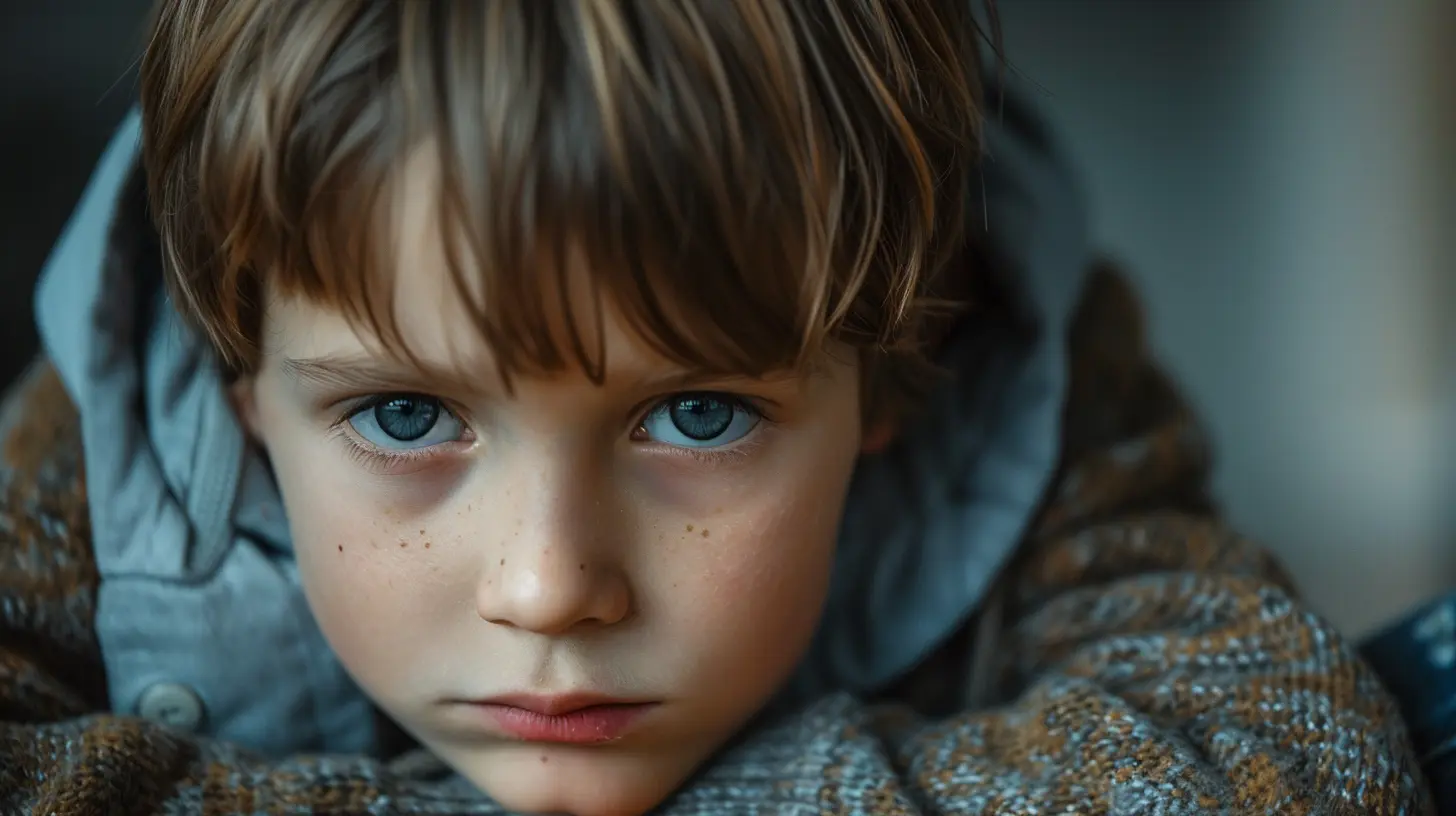
The Elephant in the Room: The Stigma
Now, here's where things start to get messy. While we’ve made some progress in talking about adult mental health, childhood mental health still seems to be this big taboo. Why? Let’s break it down.1. Misconceptions and Myths
One of the biggest reasons stigma exists is due to misunderstanding. Too often, people think:- “Kids can’t have mental health issues. They’re too young.”
- “It’s just bad parenting.”
- “They’ll grow out of it.”
- “They’re just seeking attention.”
Sound familiar?
These myths are not just wrong—they're harmful. They can prevent kids from getting the help they need and make both children and their parents feel ashamed.
2. Fear of Labels
Let’s face it—no parent wants their child to be labeled. The word “disorder” can sound frightening. It feels permanent, clinical, and heavy. But avoiding a diagnosis out of fear can leave children struggling in silence, without the tools or support to thrive.3. Cultural and Social Pressures
In some cultures, discussing mental health is considered taboo—something you just don’t talk about, especially when it involves children. Add in pressures from schools, extended families, and even within communities, and you've got a minefield of judgment and silence.
Why the Stigma Hurts Everyone
Alright, so stigma is bad. But what does it actually do?1. Delayed Diagnosis and Treatment
One of the most dangerous impacts of stigma is that it discourages parents or caregivers from seeking help. The longer a child goes without support, the more deeply rooted their struggles can become. Early intervention is key, but stigma often delays that.2. Emotional Toll on Children
Kids are incredibly perceptive. They know when they’re being treated differently. Feelings of shame, isolation, and low self-esteem can creep in quickly, especially if they feel like something is “wrong” with them.3. Increased Risk of Future Issues
Untreated childhood mental health problems can snowball into more serious issues in adulthood—like substance abuse, chronic depression, and even suicidal thoughts. Addressing mental health early on isn’t just helpful—it’s critical.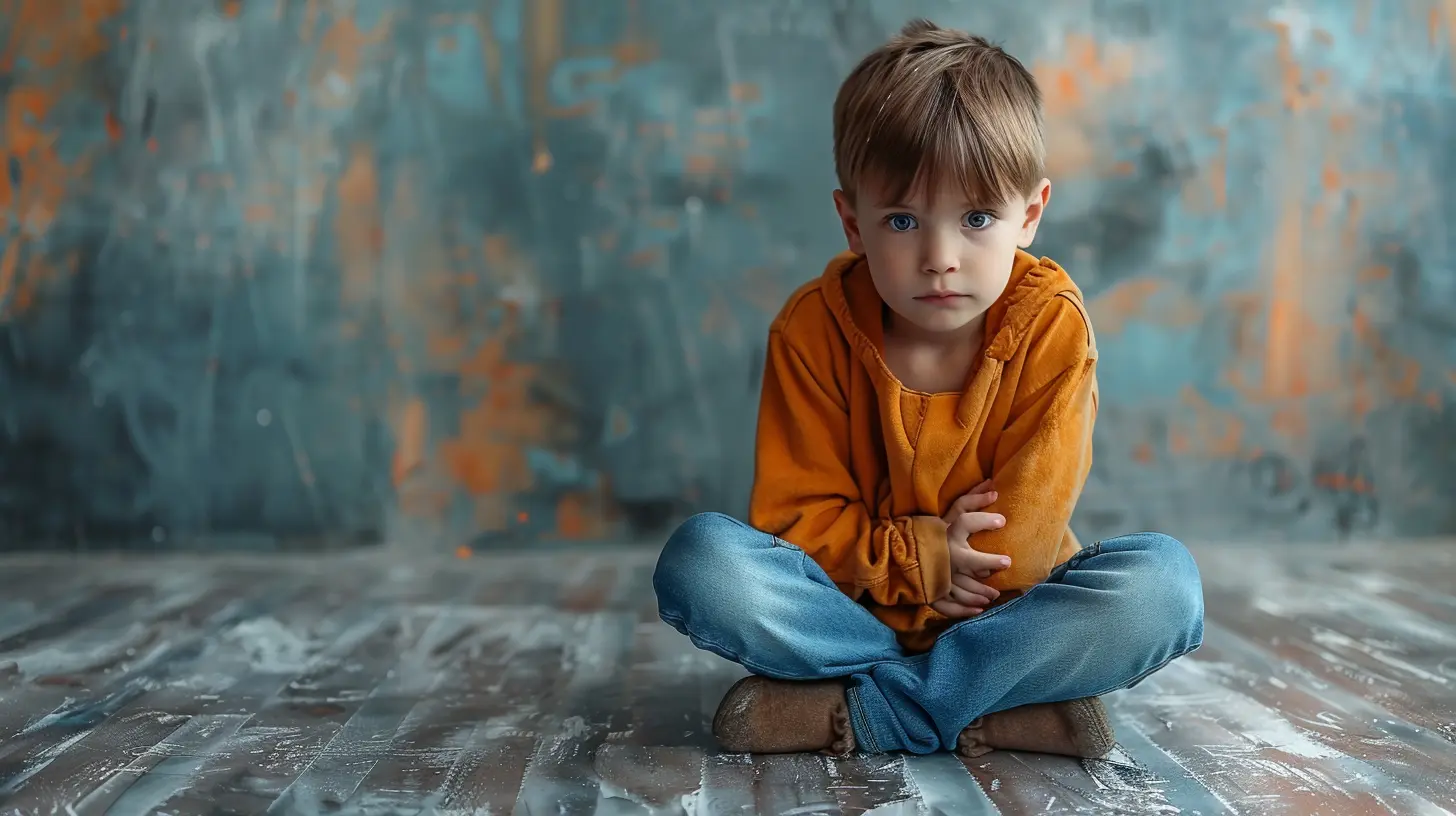
Creating a Safe Space: How We Can Start to Dismantle the Stigma
The good news? Stigma isn’t a permanent fixture. It’s something society has created, which means we have the power to uncreate it.1. Open Up the Conversation
The first, most important thing we can do is talk. Talk without judgment. Ask questions. Listen. Whether you’re a parent, teacher, friend, or neighbor, your willingness to be open can pave the way for understanding.Just imagine a world where a child can say, “I’m feeling anxious,” and instead of being met with awkwardness or dismissal, they’re met with empathy and support. That’s the kind of world we should be building.
2. Educate Yourself and Others
Knowledge is power, right? The more people understand mental health, the less scary it becomes. Learn the signs. Know the facts. And if someone makes an uninformed comment like “ADHD isn’t real,” gently (but firmly) correct them.Resources like the CDC, NAMI (National Alliance on Mental Illness), and local mental health organizations are great places to start.
3. Normalize Therapy and Support
Therapy isn’t just for crises. It’s for growth, understanding, and emotional well-being. The more we treat therapy like going to the dentist or seeing a tutor, the more children will grow up understanding that emotional health is just as important as physical health.4. Support Parents, Too
Let’s not forget the families. Having a child with a mental health disorder can be overwhelming. Parents often feel guilt, shame, or like they’re being judged. Instead of pointing fingers, offer support. Listen without giving unsolicited advice. Sometimes, just knowing they’re not alone can make all the difference.5. Advocate for Better School Policies
So many children spend the majority of their day at school. That means schools play a massive role in supporting mental health.We need more:
- School counselors
- Early intervention programs
- Accommodations and IEPs (Individualized Education Programs)
- Anti-bullying policies
Advocate for change in your local school district. Push for mental health education to be included in the curriculum. It matters.
Real Stories, Real Impact
Sometimes, the best way to understand something is through stories. Think about the child who constantly gets in trouble for not paying attention—everyone assumes they’re lazy or defiant. But what if they’re struggling with ADHD and don't know how to cope? Or the teenager who seems withdrawn and gloomy—they’re not just “moody.” They could be experiencing depression.Behind every “problem child” is a story that hasn’t been told yet.
When we stop labeling kids as “naughty” or “weird” and start asking “what’s going on underneath?”—that’s when the real transformation begins.
The Power of Compassion and Empathy
If there’s one takeaway from all of this, let it be this: lead with compassion.Kids are learning how to be human. They’re navigating emotions they don’t understand. They need guidance, not judgment. Support, not shame.
Ask yourself: if your child had a broken leg, would you hesitate to take them to the doctor? Of course not. So why hesitate when it comes to their mind and emotions?
The Role of Media and Pop Culture
Media plays a huge part in shaping perceptions. Unfortunately, many portrayals of childhood mental health in movies, TV, or even social media are inaccurate or overly dramatized.We need more diverse, honest, and respectful representations of mental health. Stories that show kids not just struggling, but also persevering, healing, and succeeding.
By supporting content that humanizes rather than stigmatizes, we can shift public perception one story at a time.
Moving Forward: It Starts With Us
Look, change isn't going to happen overnight. But every conversation you have, every ignorant comment you challenge, and every child you validate—it all adds up.The stigma around childhood mental health disorders isn’t untouchable. It’s not some immovable wall. It’s more like a fog—confusing, isolating, but absolutely clearable with enough light.
And guess what? That light can start with you.
So, let’s make it okay for kids to talk about how they feel. Let’s normalize therapy, early intervention, and emotional openness. Let’s create a world where mental health disorders are just another part of the human experience—not something to be ashamed of.
Childhood mental health isn’t a niche issue. It’s a human one. And it’s time we gave it the respect, attention, and empathy it deserves.
all images in this post were generated using AI tools
Category:
Psychological Disorders In ChildAuthor:

Eliana Burton
Discussion
rate this article
2 comments
Elwynn Myers
Childhood mental health deserves a cape, not a cloak of stigma! Let’s trade judgment for understanding, creating a world where tiny minds can grow big and brave without fear!
March 1, 2026 at 5:47 AM
Eliana Burton
Absolutely! Promoting understanding over stigma is essential for nurturing the mental health of our youth. Together, we can create a supportive environment where children thrive.
Kenna Schultz
Let’s paint the stigma rainbow colors! Childhood mental health deserves a fun parade, not a hidden closet. Shine bright, little minds!" 🌈🧠
January 29, 2026 at 4:02 AM
Eliana Burton
Absolutely! Celebrating childhood mental health with joy and visibility is essential for breaking stigma. Let’s support these young minds! 🌈❤️