Why You Can't Stop Popping Pimples: It's Not About Wanting Clear Skin
June 30, 2026 - 22:25
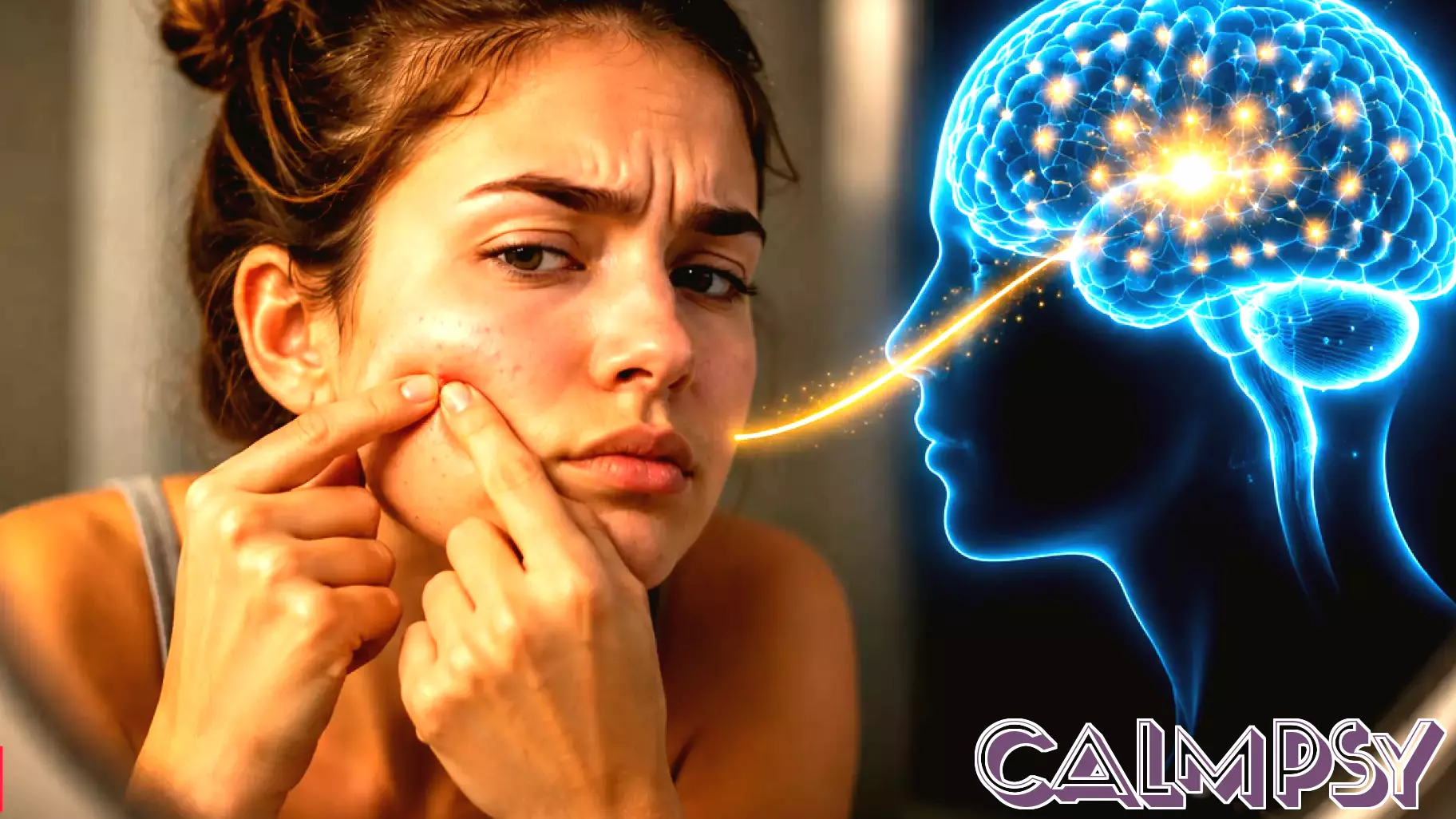
Popping a pimple creates a short-lived feeling of relief or accomplishment for many people, which can strengthen the behavior each time it happens. Rather than reflecting poor self-control, the habit is often reinforced because the brain begins to associate it with a temporary sense of satisfaction, making the urge increasingly difficult to resist. Psychology suggests that people who consistently pop their pimples may not actually have a deep urge for clear skin. Instead, the action is driven by a need for immediate gratification and a release of tension.
When a blemish appears, the discomfort or anxiety it causes can be overwhelming. Popping it provides a quick, tangible result, even if that result is often damaging to the skin. This cycle is similar to other repetitive behaviors like nail-biting or skin picking. The brain learns that the action reduces stress in the moment, which makes the habit stick. Over time, the person may not even think about the long-term goal of having smooth, healthy skin. The immediate reward of popping overrides that bigger picture.
For some, this behavior can escalate into a condition known as dermatillomania, or skin picking disorder. In these cases, the urge is not about improving appearance at all. It is about managing an internal emotional state. The temporary satisfaction from popping a pimple becomes a coping mechanism, even though it often leads to scarring, infection, and more skin problems down the road. Understanding this psychological loop is the first step toward breaking it. Replacing the habit with a different action, like applying a spot treatment or washing the face, can help redirect that urge without causing harm.
MORE NEWS
September 28, 2026 - 21:51
Psychology says people who carry a charger everywhere may hate one feeling more than a dead phoneA dead phone can create problems that barely existed a few decades ago. Smartphones now help people find their way around and stay connected to work. Many also keep tickets and payment apps on...

September 28, 2026 - 11:01
Why Children Thrive With Clear Boundaries Instead of Endless FreedomA child asks for one more episode before bed. The parent says yes. Then comes another request, and another, until the evening dissolves into a negotiation that nobody wins. Moments like this are...

September 27, 2026 - 20:59
Eight Netflix Psychological Thrillers That Never Drop the BallFinding a psychological thriller that stays compelling from the first episode to the last is harder than it sounds. Plenty of shows launch with a gripping hook, then lose their way somewhere in the...

September 27, 2026 - 03:09
Large analysis connects specific personality traits to problematic internet pornography useA wide ranging analysis of existing research has identified several personality traits that appear to correlate with problematic internet pornography use. The review, which examined data from...