The Psychological Effects of Constant Surveillance
December 18, 2024 - 01:01
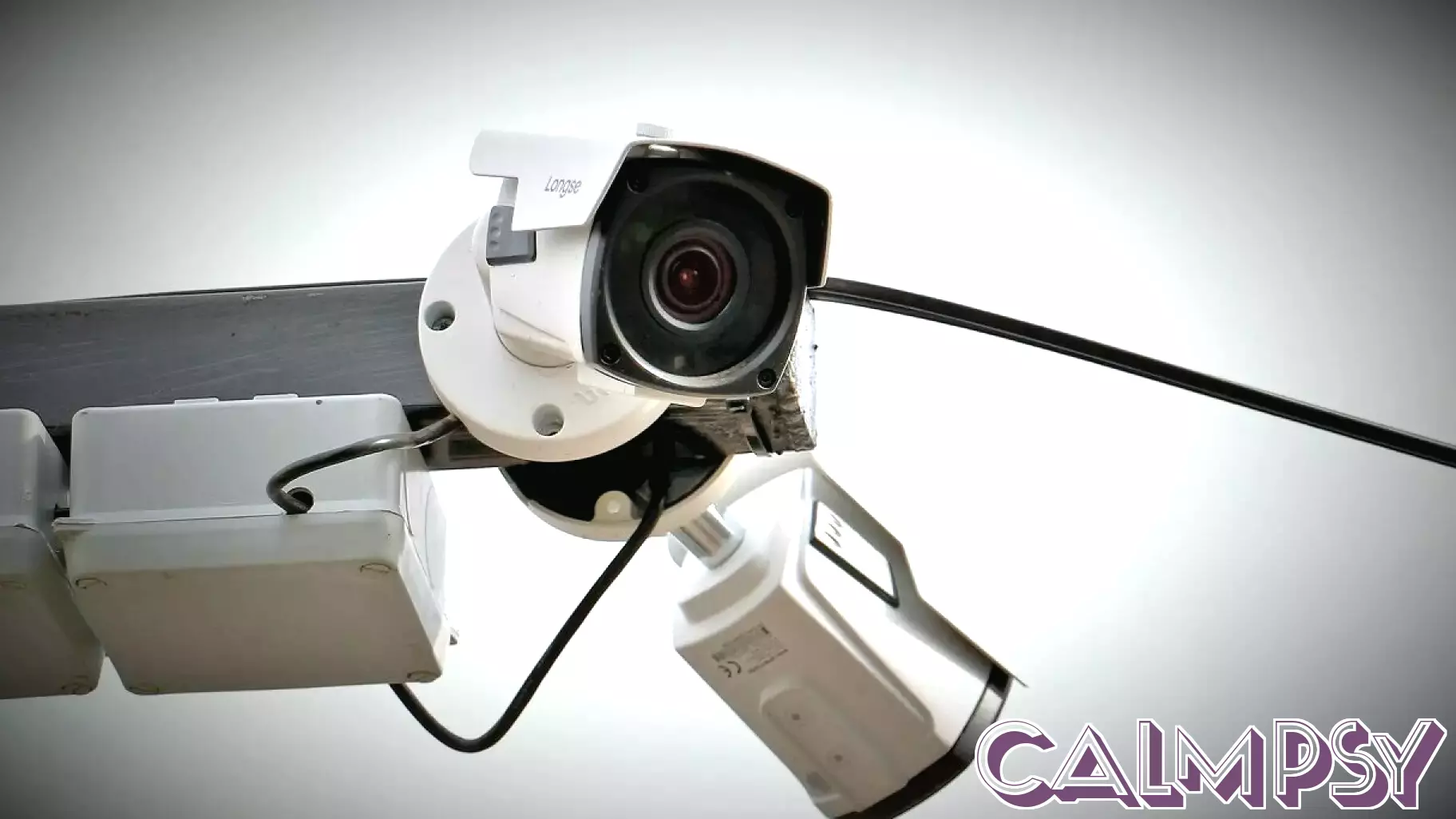
A recent psychological study has revealed that awareness of being under surveillance triggers an instinctive response in individuals, leading to increased vigilance and a constant sense of being watched. This phenomenon, often referred to as the "Big Brother effect," raises significant concerns regarding public mental health in an age where surveillance technologies are becoming increasingly ubiquitous.
Participants in the study reported feelings of anxiety and discomfort when they knew they were being observed, suggesting that the awareness of surveillance can create a chronic state of stress. This heightened state of alertness may not only impact individual well-being but could also affect social interactions and community trust.
As surveillance becomes a normalized part of daily life, understanding its psychological implications is crucial. The study highlights the need for a balanced approach to surveillance practices, weighing the benefits of security against the potential mental health risks posed to individuals and society at large.
MORE NEWS

October 4, 2026 - 22:51
Why the Most Tender-Hearted People Go Completely Silent When You Hurt Them, According to PsychologyYou know that moment when someone you care about just disappears? Not physically, but emotionally. One second you were mid conversation, maybe mid argument, and now there is nothing. No yelling, no...
October 4, 2026 - 06:43
Why Some Children Restart Drawings Until They Look RightA child sits down with a sheet of paper and starts drawing. The first attempt does not look quite the way they imagined it. So they flip the page and begin again. Then again. To a parent watching...

October 3, 2026 - 20:42
Trump's 'stroke' pathways are now 'crossing the brain': psychologistA widely cited psychologist raised concerns on Friday evening about a series of unusual behaviors displayed by President Donald Trump. Dr. John Garrision pointed to what he described as strange and...
October 3, 2026 - 09:31
Psychology says children who turn household objects into toys may have stronger imaginations than parents realiseA banana held to the ear. A saucepan worn as a helmet. A cardboard box turned into a rocket ship. Children everywhere transform ordinary household objects into toys, and parents often brush it off...