The mental toll of quarantine on board a cruise ship – explained by a psychologist
May 12, 2026 - 22:27
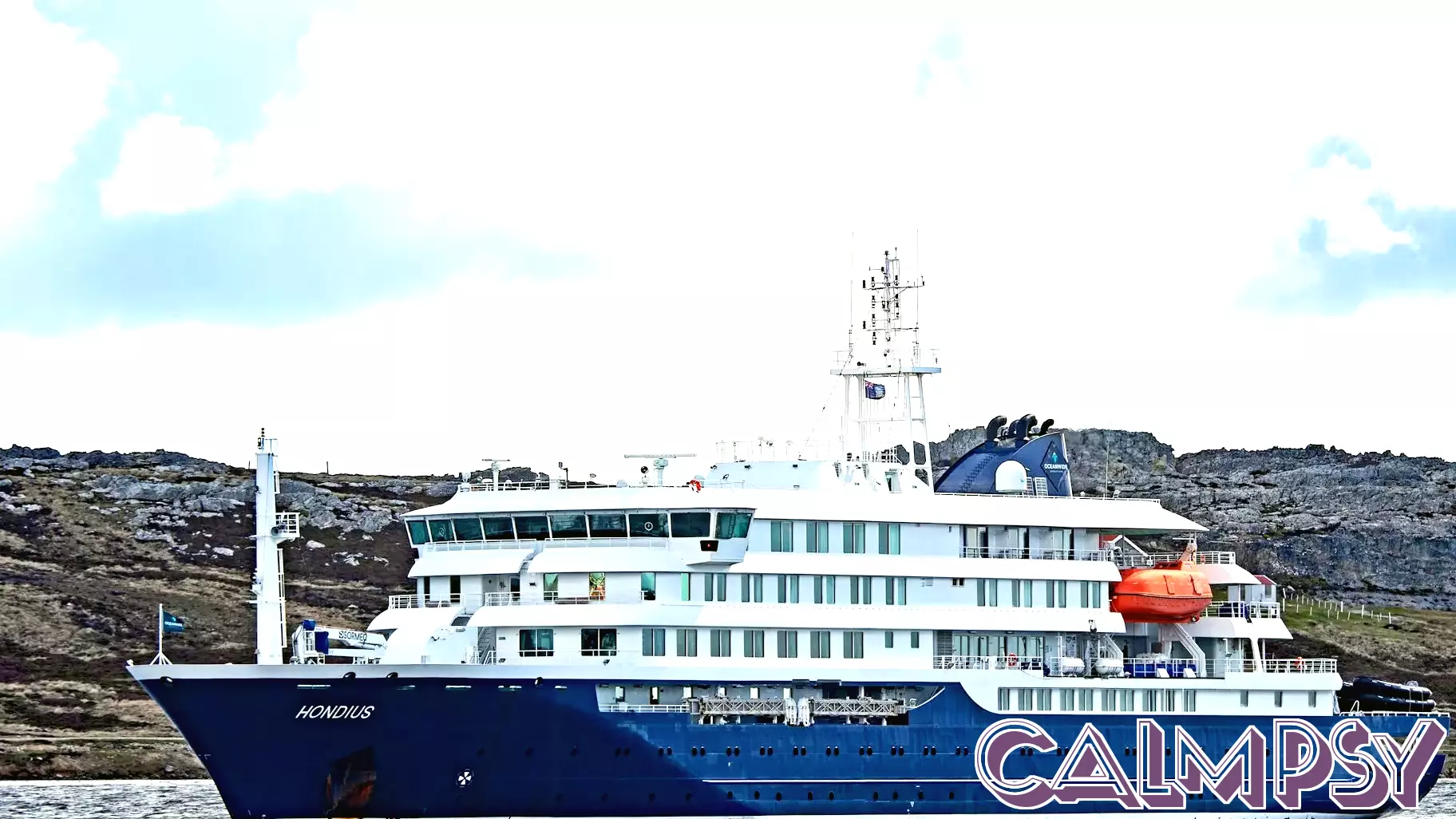
The recent COVID-19 outbreak aboard the MV Hondius has cast a stark light on a reality often overlooked in public health planning: quarantine is not just a medical protocol, but a severe psychological trial. While the physical isolation is designed to contain a virus, the mental toll it exacts on passengers and crew can be just as debilitating, according to clinical psychologists who study disaster response.
Dr. Eleanor Vance, a specialist in extreme environment psychology, explains that the core challenge is the sudden collapse of trust. Passengers board a cruise expecting a controlled, safe environment. When an outbreak forces a lockdown, that implicit contract is broken. "You are suddenly trapped in a floating metal box with strangers, unsure if the person in the next cabin is a vector of disease," she notes. This breeds hyper-vigilance and anxiety, a state where every cough or sneeze becomes a potential threat.
The second major factor is the destruction of routine. On a normal cruise, days are structured by meals, excursions, and entertainment. Quarantine strips that away, leaving passengers with endless, unstructured hours in a confined space. This can lead to a state of "learned helplessness," where people stop trying to improve their situation. The lack of control over basic freedoms, like stepping onto a balcony or walking a hallway, triggers a deep sense of powerlessness.
Dr. Vance emphasizes that resilience is not automatic. It requires active maintenance. Without the ability to exercise, socialize, or even see a horizon, the brain's stress response system stays activated. For the crew, the burden is even heavier. They must serve as caregivers while facing the same confinement and fear, often with less private space. The psychological aftermath, she warns, can include symptoms of post-traumatic stress, depression, and a lasting aversion to enclosed spaces. The MV Hondius incident is a clear warning: a quarantine plan that does not include a robust mental health component is an incomplete plan.
MORE NEWS

September 25, 2026 - 04:51
How to Break the Cycle of OverspendingMany people struggle with spending more money than they intend, and the reasons often go deeper than simple math. Financial experts say overspending is frequently driven by emotions rather than...

September 24, 2026 - 19:24
Buckingham Psychiatry Adds Dr. Sophie Buinewicz to Clinical TeamBuckingham Psychiatry, a mental health practice serving patients throughout Bucks County, has announced the addition of Dr. Sophie Buinewicz, a licensed clinical psychologist, to its team of...

September 24, 2026 - 11:16
Psychology says people who arrive three hours early at the airport are not just 'early birds', there is a surprising childhood reason behind itMost travelers know at least one person who insists on reaching the airport hours before a flight. They sit calmly near the gate while everyone else rushes through security. This behavior often...

September 23, 2026 - 21:28
Psychology says people who cancel plans at the last minute may be fighting a battle no one else can seeWhen someone makes dinner plans on Monday for Friday night, Friday still feels comfortably far away. By the time the day actually comes around, the plan has to compete with everything that wasn`t...