The Invisible Wall: How Childhood Disappointment Shapes Adult Friendships
March 2, 2026 - 02:07
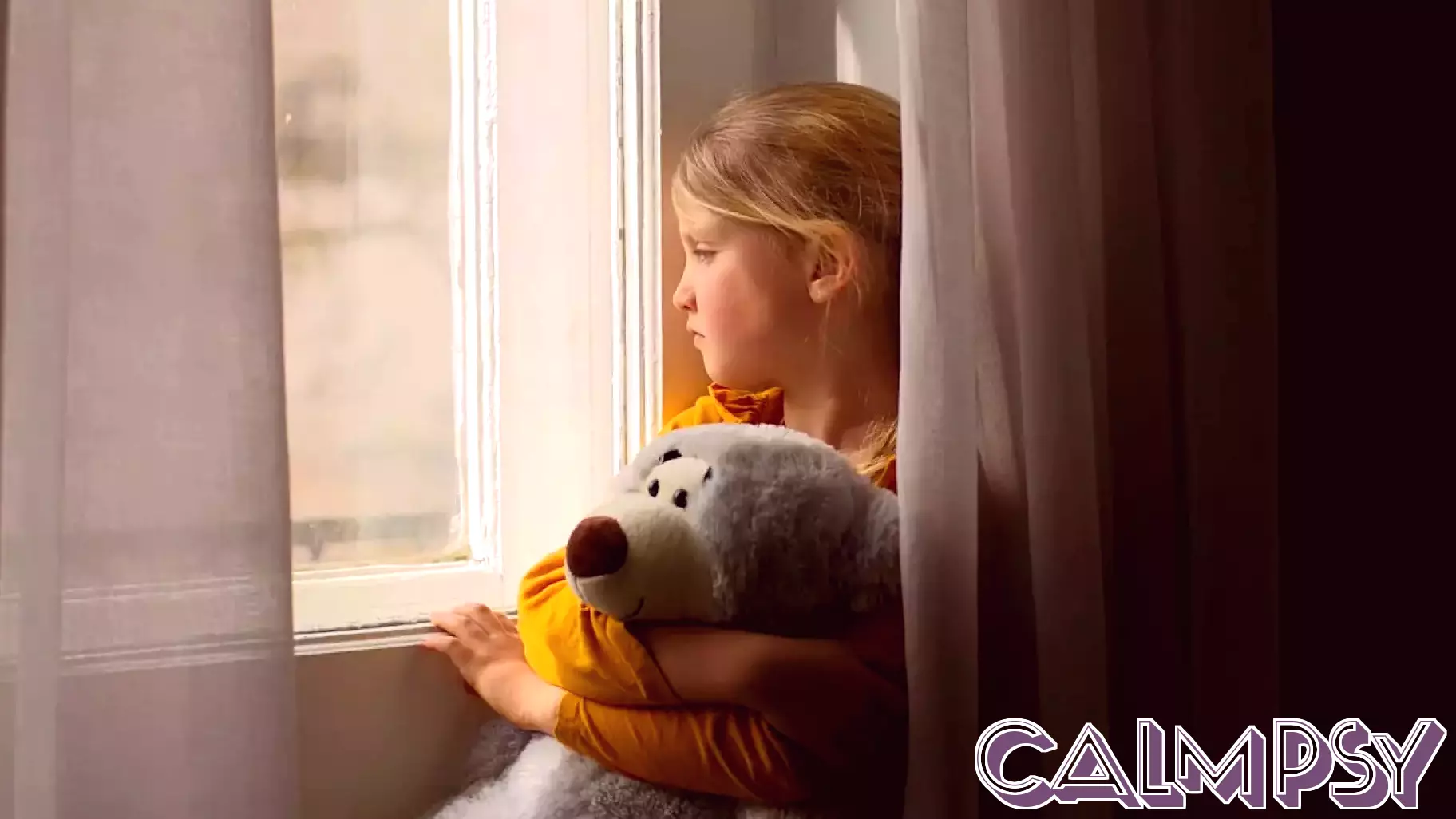
Some individuals navigate social circles with ease, yet maintain a palpable distance even within their closest friendships. This pattern, psychologists suggest, often stems from a childhood spent bracing for letdowns. For these people, emotional self-preservation isn't a choice but a deeply ingrained defense mechanism.
When a child’s primary caregivers are inconsistent, unreliable, or frequently disappointing, the young mind learns a painful lesson: those you rely on will let you down. To avoid future hurt, the psyche builds an invisible wall. In adulthood, this translates to a subconscious reluctance to become "too close" to friends. The fear is not of connection itself, but of the inevitable pain perceived to follow when that connection fails to meet unspoken, often unmet, childhood needs.
This guarded stance is less about arrogance or indifference and more about a profound vulnerability. The individual may crave deep bonds but simultaneously anticipates betrayal or abandonment, sabotaging intimacy before it can deepen. They often appear fiercely independent, rarely asking for help, and might withdraw when a friendship intensifies. Understanding this dynamic is the first step toward building healthier attachments, allowing trust to slowly replace the old expectation of disappointment.
MORE NEWS

October 13, 2026 - 04:32
Mapping the Psychological Web Behind Suicidal ThoughtsSuicidal ideation rarely stems from a single cause. It often emerges from a tangle of interconnected psychological processes, where one struggle feeds into another. A new study from researchers at...

October 12, 2026 - 16:27
Why Kelly Clarkson's Shopping Story Hits a Nerve About Feeling JudgedKelly Clarkson recently described a shopping trip where she felt ignored and judged by staff. Her story spread quickly, and not because she is famous. It spread because almost everyone has stood in...

October 12, 2026 - 06:19
The Case for Taking Getting Dressed More SeriouslyMost people treat clothing as an afterthought. You wake up, grab whatever is clean, and head out the door. But the way we dress deserves more attention than that. What you wear shapes how you move...

October 11, 2026 - 20:25
Why a Small Circle Often Signals a Preference for Depth, Not Antisocial BehaviorSome people move through life with a wide network of acquaintances, while others keep a tight group of trusted individuals close by. Psychology suggests this difference is not a sign of antisocial...