The benefits of frightening activities depend on what you do afterward, according to new psychology research
May 3, 2026 - 02:09
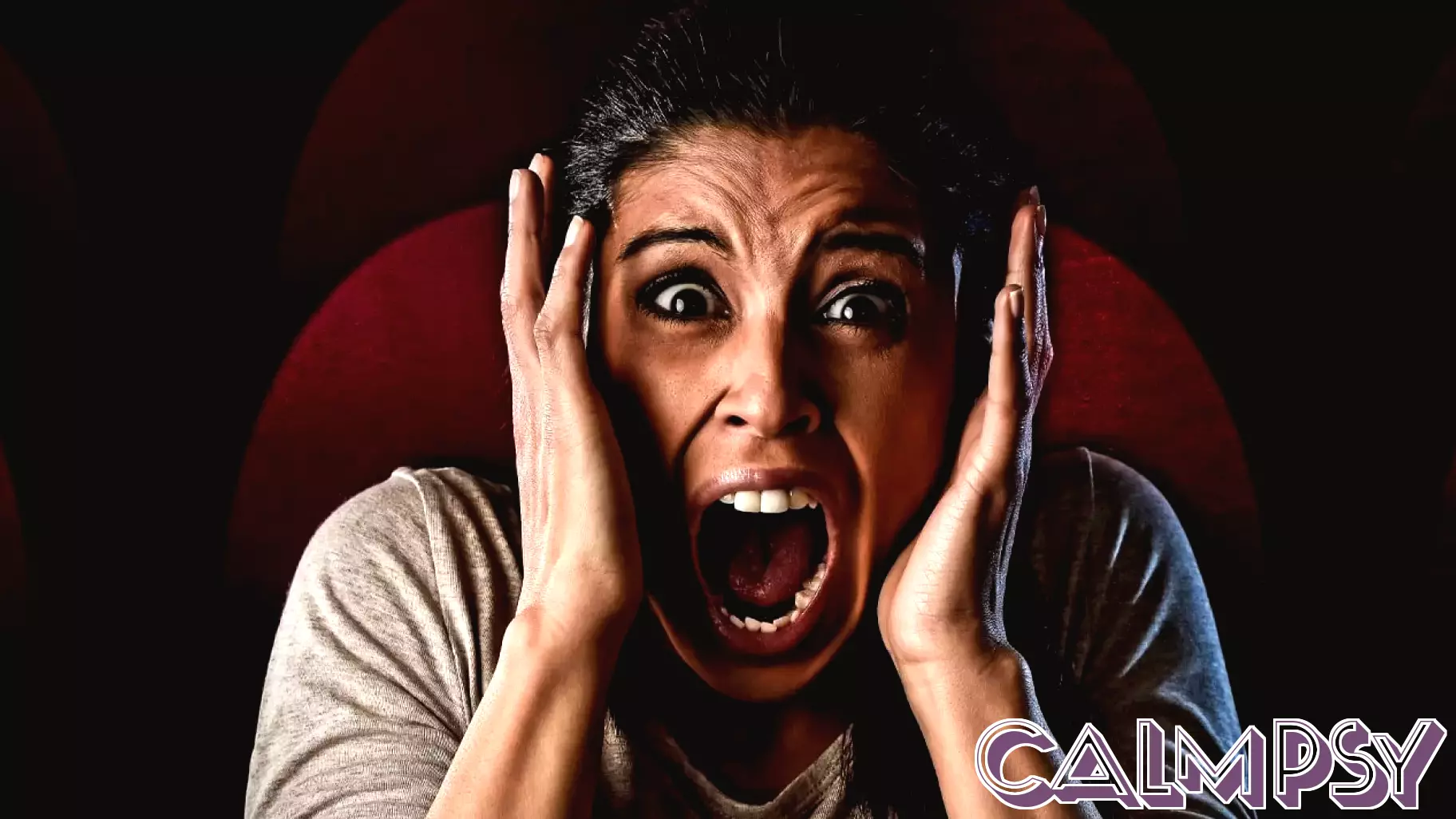
A recent psychology study suggests that the social benefits of frightening activities, such as visiting a haunted house or watching a horror movie, depend heavily on what happens after the fear subsides. While it is common to think that shared terror alone brings people closer, researchers found that the real bonding happens when people talk about the experience afterward.
The study, conducted by a team of social psychologists, observed groups of participants who went through a high-intensity haunted attraction. Those who immediately discussed their fear, laughed about the scares, or shared their reactions with others reported feeling a stronger sense of connection and trust. In contrast, individuals who went through the same frightening experience but remained quiet or did not engage in conversation afterward did not show the same level of social bonding.
According to the researchers, the act of talking about a scary event helps people synchronize their emotional responses. It allows them to confirm that their feelings were normal and to build a shared narrative. This process of co-regulation and validation appears to be the crucial step that turns a simple adrenaline rush into a lasting social glue.
The findings suggest that for anyone looking to strengthen friendships or relationships, the key is not just to seek out thrilling activities together, but to make time for a good conversation once the danger has passed.
MORE NEWS

September 14, 2026 - 23:58
The Diminishing Appeal of Trends in a Saturated MarketA trend often feels exciting at first because it is new and relatively uncommon. But when countless versions of the same aesthetic begin appearing across social media feeds, that sense of...

September 14, 2026 - 01:10
Three Quiet Signs of Rare Intelligence, According to a PsychologistTalking more makes you look smarter, but the habits behind real judgment often look like hesitation. A psychologist explains three quiet signs of a strong mind. The first sign is comfort with...

September 13, 2026 - 13:56
A Barber's Hands and the Mind They HoldThe young man sitting in my chair has a mind I cannot see, though his head rests squarely in my palms. He is a psychologist, or something close to it. He studied a degree called Health Psychology,...

September 12, 2026 - 20:29
Psychology says people who prefer joint families may value belonging more than independenceFor some people, living in a joint family may offer psychological benefits that they value more than the independence of having a separate home. A stronger sense of connection, shared...