Submechanophobia: The psychology behind the fear of sunken objects
June 7, 2026 - 20:22
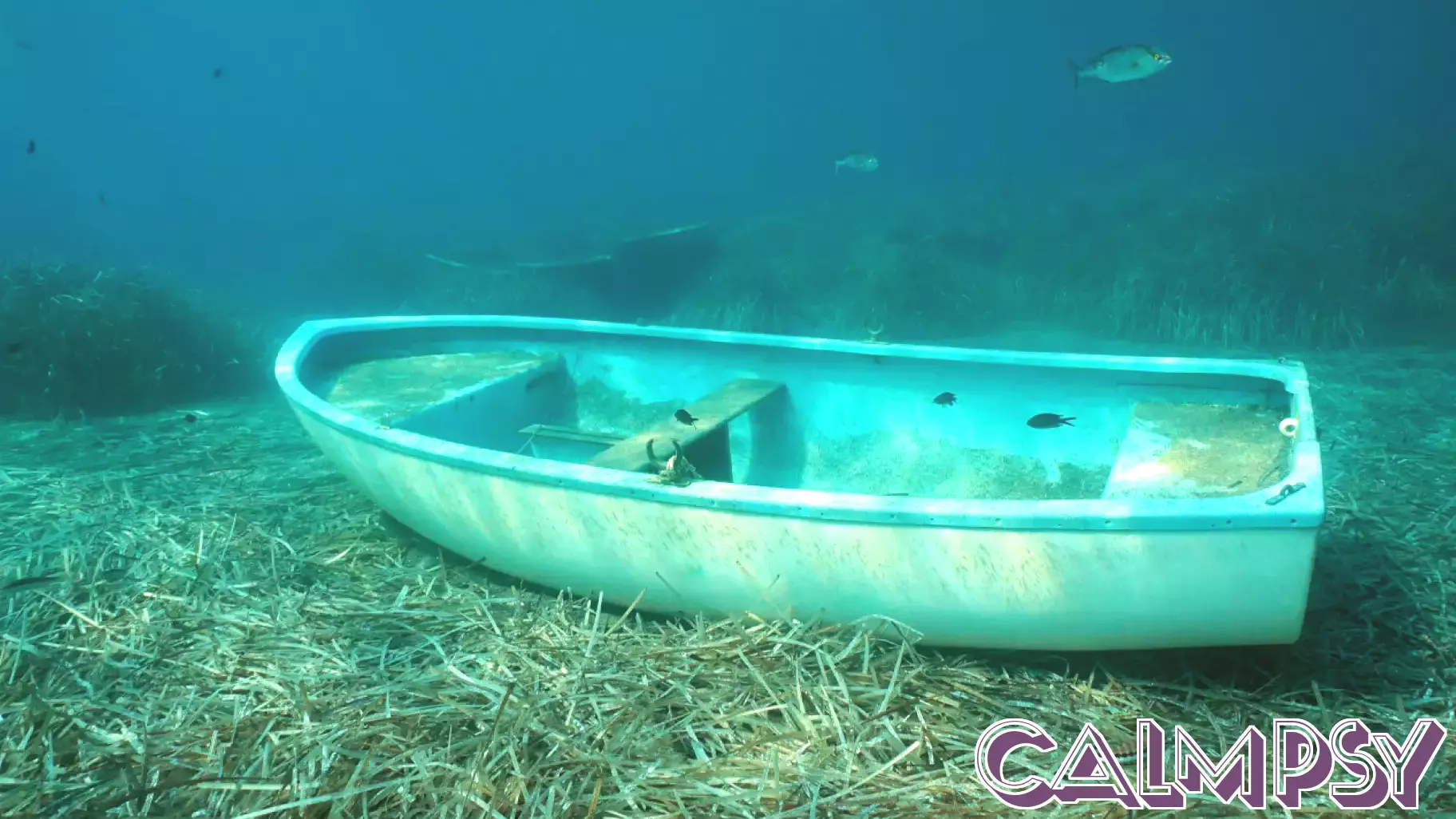
The sight of a half-submerged shipwreck, the dark mouth of a pool drain, or the silent gaze of an underwater statue can send a shiver down the spine of many people. For some, it is more than just unease. It is a full-blown panic attack. This specific, intense reaction has a name: submechanophobia, the fear of man-made objects partially or fully submerged in water.
Psychologists describe this phobia as a complex blend of several primal fears. It often combines a fear of deep water (bathophobia) with a fear of the unknown and a loss of control. The key trigger is the object's unnatural presence in a natural environment. A shipwreck, for example, was once a vessel of life and purpose. Now it sits in a dark, alien world, rusting and silent. The brain struggles to reconcile the familiar shape with the hostile, silent setting.
Another layer is the fear of hidden danger. Submerged objects can trap a swimmer, or they might conceal sharp edges or machinery. A pool drain, while harmless, triggers an ancient instinct warning of a hidden mouth or a suction trap. The object is static, but the water moves around it, creating a sense of eerie, unnatural stillness in the middle of a fluid environment.
Dr. Emily Carter, a clinical psychologist specializing in phobias, explains that the fear is often rooted in a violation of expectation. "We expect objects to be in their proper place. A car belongs on a road, not at the bottom of a lake. That mismatch creates a cognitive dissonance that the brain interprets as a threat." The lack of visibility adds to the dread. The human mind fills in the dark water with imagined horrors, from rusted metal to unseen creatures.
For those who suffer from submechanophobia, the fear can be triggered by photos, videos, or even the thought of swimming near a dock. Treatment often involves gradual exposure therapy, but the primal nature of the fear makes it stubborn. It is a reminder that some of our deepest anxieties are not about monsters, but about the silent, man-made ghosts that lurk just beneath the surface.
MORE NEWS

October 21, 2026 - 16:17
Children Who Ask Parents to Keep Secrets May Have Reasons Beyond Simple Privacy`Please don`t tell Mum.` `Dad doesn`t need to know.` A child may make these requests after getting an extra treat, breaking something by accident or sharing information they are not ready for the...

October 20, 2026 - 19:06
Dreams and Daydreams May Provide Clues About Mental HealthDreams and mind-wandering have long fascinated psychologists and researchers studying the human mind. This is partly because these experiences offer glimpses into people`s inner lives, emotions,...

October 20, 2026 - 11:56
SWOSU Students to Hear From Chicago Bulls Sport Psychologist and AlumnaWEATHERFORD - Southwestern Oklahoma State University students will have an opportunity to hear from a Chicago Bulls sport psychologist and SWOSU alumna later this month. The university announced...

October 19, 2026 - 20:48
The Shared Trait Behind Luck, According to PsychologistsA psychologist spent years studying lucky and unlucky people, uncovering a surprising difference in how they spot opportunities. The research suggests that luck is less about fate and more about...