Psychology says people who were told they were gifted as children often grow into adults who avoid challenges — because their identity was built on being naturally good, not on getting better
April 5, 2026 - 19:01
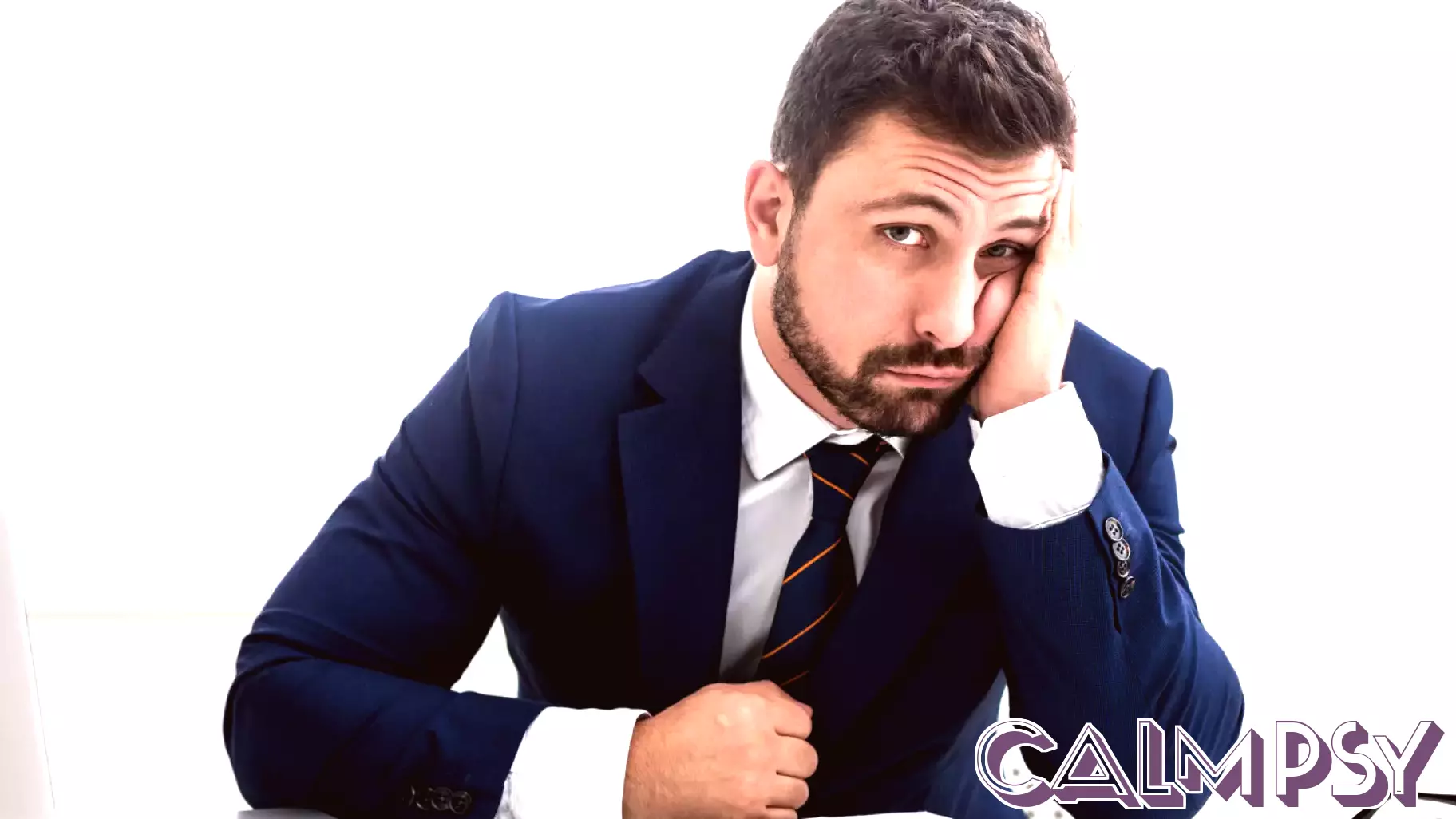
A common parental compliment, "you're so smart," might be setting children up for a difficult relationship with challenges in adulthood. Psychological research suggests that individuals frequently praised for being inherently gifted as children often evolve into adults who actively avoid situations where they might not immediately excel.
The core issue lies in where these individuals place their self-worth. When a child's identity becomes rooted in being "naturally good," they begin to see effort as a sign of deficiency. Struggling with a new skill or concept becomes a threat to their core identity as a smart person, rather than a normal step in the learning process. Consequently, they may gravitate only toward tasks they know they can master quickly to maintain the illusion of effortless brilliance.
This creates a fixed mindset, a belief that abilities are static. The adult who internalized the "gifted" label may pass up valuable opportunities for growth—a new career path, a creative hobby, or a complex project—simply because they cannot guarantee immediate, flawless success. Their early strength becomes a lifelong vulnerability, as protecting their smart identity trumps the potential rewards of learning through trial and error.
The alternative, a growth mindset, focuses praise on effort, strategy, and perseverance. By valuing the process of "getting better" over the state of "being good," individuals build resilience. They learn to view challenges not as threats, but as opportunities to expand their abilities, leading to greater achievement and personal fulfillment in the long run.
MORE NEWS

October 3, 2026 - 20:42
Trump's 'stroke' pathways are now 'crossing the brain': psychologistA widely cited psychologist raised concerns on Friday evening about a series of unusual behaviors displayed by President Donald Trump. Dr. John Garrision pointed to what he described as strange and...
October 3, 2026 - 09:31
Psychology says children who turn household objects into toys may have stronger imaginations than parents realiseA banana held to the ear. A saucepan worn as a helmet. A cardboard box turned into a rocket ship. Children everywhere transform ordinary household objects into toys, and parents often brush it off...
October 2, 2026 - 19:11
Small Daily Practice May Improve Wellbeing in SecondsPsychologist Eli Susman researched different techniques for improving wellbeing and discovered it doesn`t take long to feel better. His findings suggest that a brief daily practice, sometimes...

October 2, 2026 - 07:01
'Deeply sorry': Psychology groups apologise for racism towards MāoriTwo professional psychology organisations have issued a formal apology to Maori for the harm caused by racism within the discipline of psychology. The statement acknowledges decades of practices...