Psychology says people who never leave dishes in the sink overnight aren’t necessarily obsessed with clean
August 16, 2026 - 23:20

Most people have seen the sink full of plates and decided to deal with it in the morning. But for others, leaving a single mug or spoon overnight feels like a small failure. Psychologists suggest this habit is less about being obsessed with cleanliness and more about how the mind handles unfinished business.
Research on the Zeigarnik effect shows that incomplete tasks tend to linger in our thoughts. When you leave dishes in the sink, your brain keeps a mental note of that unfinished chore, which can create low-level stress or intrusive thoughts. This mental clutter can interfere with cognitive performance, making it harder to relax or focus on other things. Washing the dishes before bed closes that loop, giving the brain a sense of closure.
Visual clutter in the home has also been linked to lower well-being and life satisfaction. Seeing mess can trigger feelings of being overwhelmed, even if you are not consciously thinking about it. By clearing the kitchen, people create a calm environment that signals the day is done.
These habits are not necessarily signs of perfectionism. They are personal preferences for how to manage space and time. Some people find comfort in the ritual of cleaning, while others prefer to rest and handle chores later. Neither approach is wrong. The key is understanding what helps you feel at ease in your own home, not what others expect.
MORE NEWS

November 16, 2026 - 01:13
A Good Deed Does Not Have to Be Selfless to MatterRecent research challenges the common belief that kindness must be entirely selfless to be meaningful. The study highlights that the motivations behind acts of kindness can vary significantly, and...
November 15, 2026 - 11:33
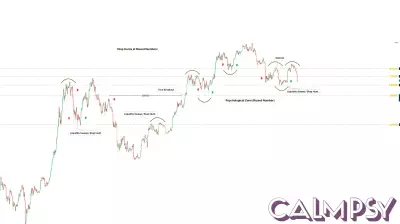
The Fascination with Round Numbers in Crypto TradingHave you ever noticed how prices in the crypto market often stall at round numbers like 50,000, 60,000, or 80,000? While newcomers might dismiss this as mere chance or basic math, seasoned traders...

November 14, 2026 - 22:03
The Lingering Impact of Humiliation on HappinessHumiliation can leave memories that are hard to shake. A new study suggests that people who have felt humiliated tend to be less happy, and that repetitive negative thinking may be part of the...

November 14, 2026 - 16:34
Doubts About Daily Tasks: The Psychology Behind Repeated CheckingDid I turn off the bathroom tap? You remember closing it, but you are not completely sure. This uncertainty can lead to a cycle of checking and rechecking everyday tasks like door locks, taps, and...