Naked Truth: Can Group Nudity Actually Heal Body Image?
August 15, 2026 - 17:14
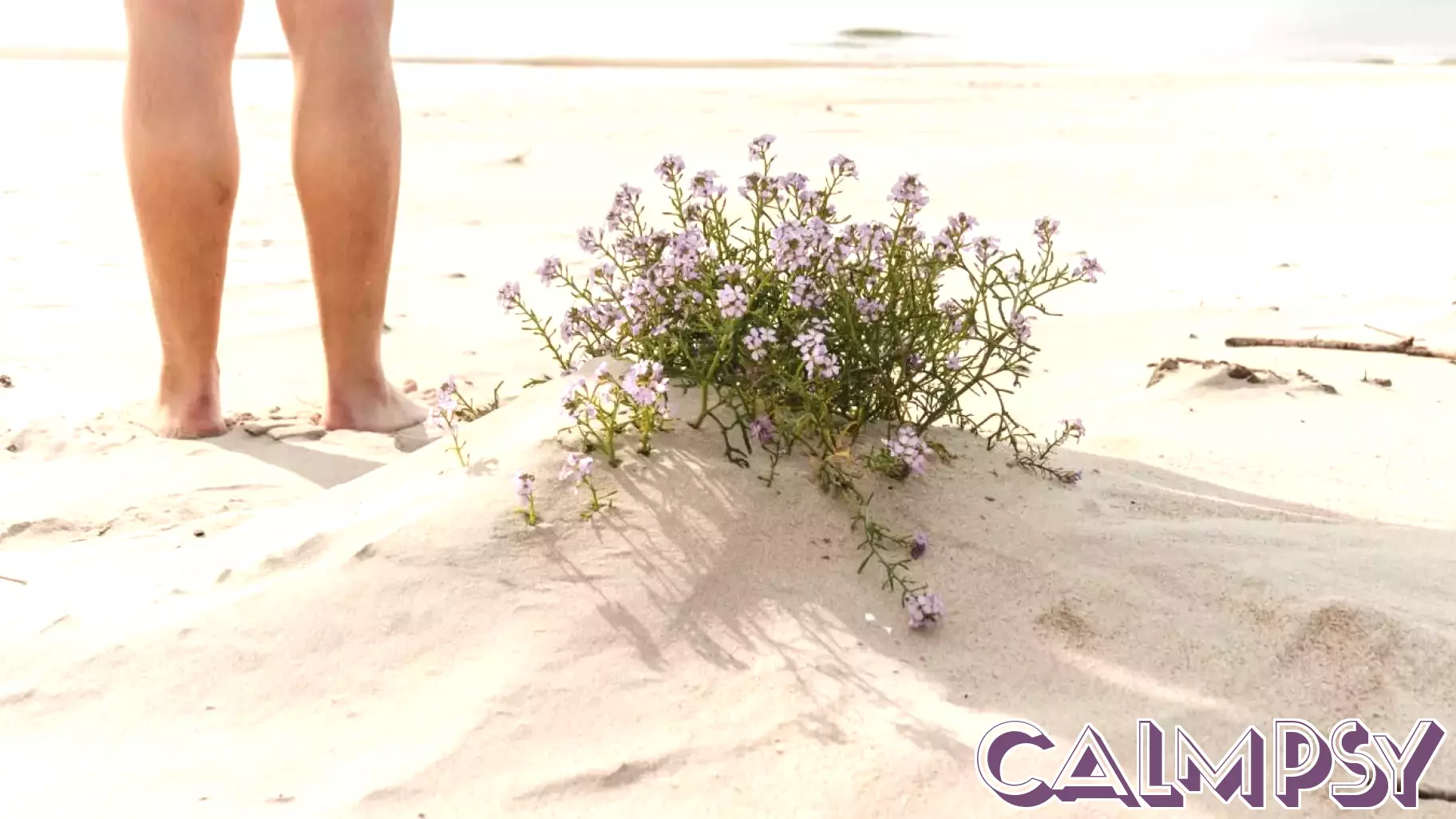
For decades, the path to loving your body has been paved with affirmations, therapy, and the slow work of unlearning media-driven ideals. But a growing number of people are taking a more radical shortcut: getting naked in a room full of strangers. And according to recent psychological research, it might actually work.
The idea sounds counterintuitive. For most of us, vulnerability is something to be managed, not displayed. Yet a new study suggests that social nudity, whether at a clothing-optional beach, a spa, or a structured workshop, can dramatically shift how we perceive our own flesh and bone. The core finding is simple: when you see a diverse range of real, unedited bodies, the narrow definition of "normal" you hold in your head starts to crack.
Participants in the study reported that seeing ordinary bodies, with their scars, folds, and asymmetries, was deeply reassuring. It turns out that most of what we think our bodies "mean" was never true, just taught. We learn to see a belly as "lazy" or thighs as "too big" from curated images, not from reality. Group nudity forces a confrontation with that lie. You can't compare yourself to an airbrushed photo when you are standing next to a retired teacher with a hysterectomy scar and a construction worker with a sunburned back.
The effect is not just about feeling less alone in your flaws. It is about recalibrating your attention. In a clothed setting, we often judge others and ourselves on a surface level. Naked, the social hierarchy flattens. There is no designer label to signal status, no tailored fit to hide a bad day. What remains is a shared, awkward, human animality. That shared experience builds a strange, powerful form of empathy. You start to see other people as whole beings, and in turn, you grant yourself the same grace.
The researchers are careful to note that this is not a cure-all. It is not about exhibitionism or seeking validation from others. The key is the absence of sexual context and the presence of a safe, non-judgmental space. In that space, the brain can finally update its outdated software. The lesson is not that you should suddenly love every inch of yourself, but that you can stop spending so much energy policing your own reflection. And that, perhaps, is the most freeing part of all.
MORE NEWS

September 29, 2026 - 20:44
The psychology behind 'dopamine sites'Digital platforms known as dopamine sites allow users to mimic the experience of purchasing high-end fashion, ordering midnight snacks, or even taking a virtual cigarette break, all without any...

September 29, 2026 - 07:23
Psychology Assistant Role Plan Dropped After BacklashThe Australian Health Practitioner Regulation Agency has confirmed it will not move forward with a proposed psychology assistant workforce role, at least for the time being. The decision follows...

September 28, 2026 - 21:51
Psychology says people who carry a charger everywhere may hate one feeling more than a dead phoneA dead phone can create problems that barely existed a few decades ago. Smartphones now help people find their way around and stay connected to work. Many also keep tickets and payment apps on...

September 28, 2026 - 11:01
Why Children Thrive With Clear Boundaries Instead of Endless FreedomA child asks for one more episode before bed. The parent says yes. Then comes another request, and another, until the evening dissolves into a negotiation that nobody wins. Moments like this are...