How 'On the Psychology of Military Incompetence' Predicted Hegseth's Iran Debacle
August 1, 2026 - 08:08

A dusty volume from the 1980s is suddenly getting a lot of attention. "On the Psychology of Military Incompetence" by Norman Dixon was written long before the current Pentagon leadership took office. Yet its core argument about how small-minded men in big positions cause disasters feels painfully relevant to the recent Iran fiasco.
Dixon, a British psychologist and former army officer, did not write about politics. He wrote about the human mind. His central claim was that incompetent commanders are not usually stupid. They are often insecure, rigid, and obsessed with appearing strong. That obsession leads them to ignore bad news, surround themselves with yes-men, and double down on failed plans rather than admit a mistake.
The current situation with Iran fits that pattern. The decision to strike a high-value target without a clear endgame, followed by confused messaging and a quick retreat, shows a classic failure of foresight. The people in charge seemed more worried about looking tough than about the actual consequences. They did not ask the hard questions. They did not plan for the response. They just acted, then scrambled.
Dixon would recognize the type. He called it the "petty man" - someone who equates rank with personal worth, who sees any criticism as a personal attack, and who values loyalty over competence. That kind of leader creates a culture where no one dares to say the plan is flawed. And when the plan fails, the blame goes everywhere except upward.
The book is not a crystal ball. It does not mention Iran or Hegseth by name. But its lessons are timeless. Incompetence is not a lack of skill. It is a failure of character, a refusal to see the world as it is. Until that changes, the same mistakes will keep happening, no matter who sits in the chair.
MORE NEWS

November 16, 2026 - 01:13
A Good Deed Does Not Have to Be Selfless to MatterRecent research challenges the common belief that kindness must be entirely selfless to be meaningful. The study highlights that the motivations behind acts of kindness can vary significantly, and...
November 15, 2026 - 11:33
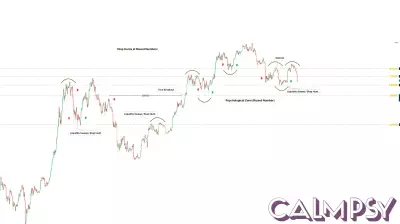
The Fascination with Round Numbers in Crypto TradingHave you ever noticed how prices in the crypto market often stall at round numbers like 50,000, 60,000, or 80,000? While newcomers might dismiss this as mere chance or basic math, seasoned traders...

November 14, 2026 - 22:03
The Lingering Impact of Humiliation on HappinessHumiliation can leave memories that are hard to shake. A new study suggests that people who have felt humiliated tend to be less happy, and that repetitive negative thinking may be part of the...

November 14, 2026 - 16:34
Doubts About Daily Tasks: The Psychology Behind Repeated CheckingDid I turn off the bathroom tap? You remember closing it, but you are not completely sure. This uncertainty can lead to a cycle of checking and rechecking everyday tasks like door locks, taps, and...