AI and the Pompeii Warning: A Psychologist's Unexpected Concern About a Different Disaster
July 23, 2026 - 19:27
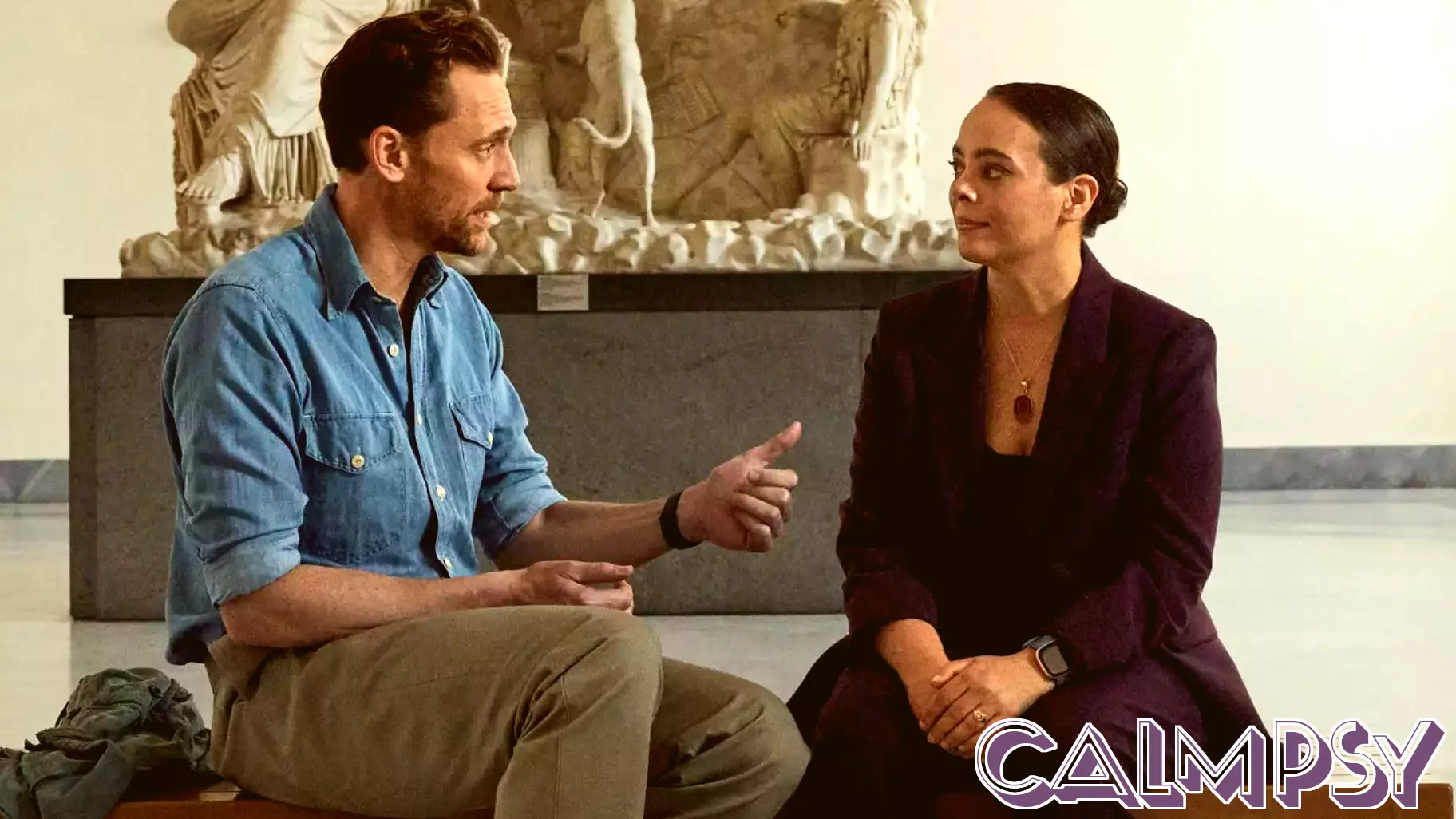
Dr. Sarita Robinson, a disaster survival psychologist, recently appeared in the documentary "Pompeii: Out of Time," drawing parallels between ancient catastrophes and modern technological risks. When asked whether our reliance on artificial intelligence should be treated with the same level of emergency as the volcanic eruption that buried Pompeii, her answer took an unexpected turn.
Rather than focusing on AI as a direct threat, Robinson expressed deeper concern about a technology catastrophe most people haven't considered: the collapse of our digital infrastructure. She pointed out that while Pompeii's residents ignored obvious warning signs from Mount Vesuvius, modern society is similarly ignoring the fragility of the systems we depend on daily.
Robinson explained that our current situation mirrors Pompeii in a troubling way. The people of Pompeii had grown so accustomed to minor earthquakes that they stopped seeing them as warnings. Today, we have become so dependent on cloud services, GPS, and digital communication that we no longer recognize how vulnerable these systems are to a single point of failure.
The psychologist warned that a major solar flare, a coordinated cyberattack, or even a simple software bug could trigger cascading failures across power grids, financial systems, and emergency services. Unlike Pompeii's disaster, which was localized, a digital collapse would affect billions of people simultaneously.
Robinson's message is not about fearing AI itself, but about recognizing our dangerous overconfidence in technology. She suggests we should prepare for digital disruptions the same way we prepare for natural disasters: with backup plans, offline resources, and community resilience. The real emergency, she argues, is not that AI might become too powerful, but that we have built a world where losing our digital tools could be just as devastating as a volcanic eruption.
MORE NEWS

October 22, 2026 - 00:01
Psychologist Access Is Becoming More Unequal, and the Gap Is WideningMedicare rebates are meant to make psychologist visits cheaper and more accessible. But data shows those on the lowest incomes are missing out. New analysis reveals a growing divide in who can...

October 21, 2026 - 16:17
Children Who Ask Parents to Keep Secrets May Have Reasons Beyond Simple Privacy`Please don`t tell Mum.` `Dad doesn`t need to know.` A child may make these requests after getting an extra treat, breaking something by accident or sharing information they are not ready for the...

October 20, 2026 - 19:06
Dreams and Daydreams May Provide Clues About Mental HealthDreams and mind-wandering have long fascinated psychologists and researchers studying the human mind. This is partly because these experiences offer glimpses into people`s inner lives, emotions,...

October 20, 2026 - 11:56
SWOSU Students to Hear From Chicago Bulls Sport Psychologist and AlumnaWEATHERFORD - Southwestern Oklahoma State University students will have an opportunity to hear from a Chicago Bulls sport psychologist and SWOSU alumna later this month. The university announced...