Understanding Emotional Contagion: How Others’ Feelings Affect You
14 July 2026
Ever walked into a room full of people and instantly felt the mood—without anyone even saying a word? Maybe your coworker started the day grumpy, and suddenly, you felt your upbeat mood slipping away for no apparent reason. Or perhaps you’ve been around someone full of joy and, before you knew it, you were smiling too. That’s emotional contagion at play.
It's a fascinating—and often overlooked—psychological phenomenon where emotions spread like a cold. Yep, our feelings can be just as infectious as a sneeze in flu season.
In this post, we’re diving into what emotional contagion really is, how it works, and what you can do to protect your own emotional well-being when others’ feelings are rubbing off on you just a little too much.
What Is Emotional Contagion?
Think of emotional contagion as emotional mimicry. It’s when you "catch" someone else’s emotion and, without even realizing it, start to feel the same way. It's not just empathy—where you understand or share someone else’s emotional experience—it goes further. Emotional contagion means you actually start to feel their emotion as if it were your own.This happens automatically, subconsciously, and often instantly. Our brains are wired to connect with others, and in doing so, we sometimes pick up their emotional "vibes," whether they’re positive or not.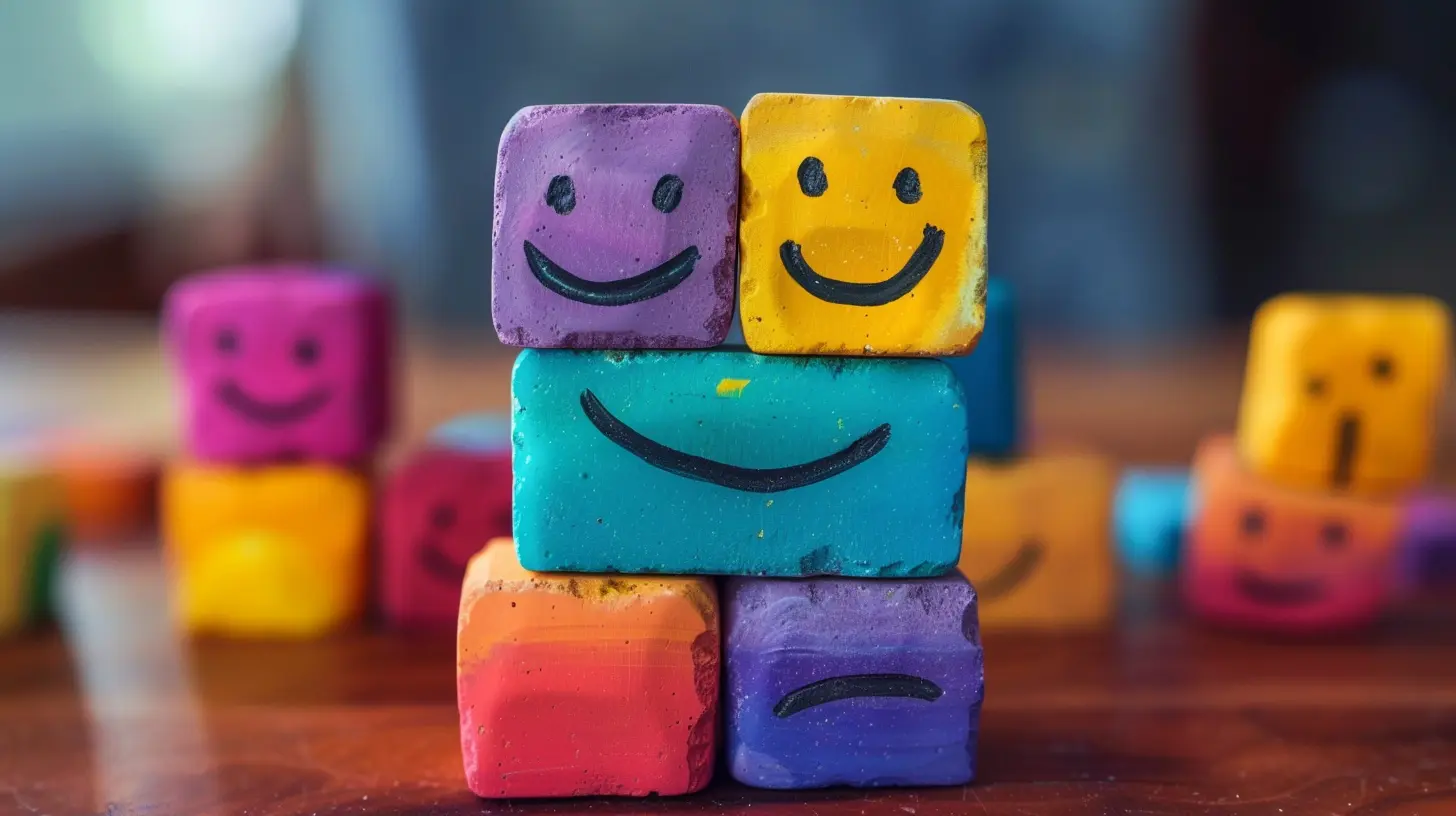
The Psychology Behind Emotional Contagion
Let’s peel back the layers. So, what’s going on up there in your brain?Mirror Neurons: Your Brain’s Emotional Copy Machine
Scientists believe mirror neurons play a big role in emotional contagion. These special brain cells fire not only when you perform an action, but also when you observe someone else doing the same thing. That’s part of why you wince when you see someone else stub their toe. You’re mirroring their pain.When it comes to emotions, the same mirroring happens. You see someone laughing or crying, and your brain mimics that emotion, making you feel it too.
Evolutionary Roots
Why do we even have this emotional mimicry superpower? From an evolutionary perspective, contagious emotions helped early humans survive. Feeling fear when others in your tribe did could mean the difference between getting eaten or not. Feeling happiness together helped build strong social bonds.In today’s world, we may not face saber-toothed tigers, but we still thrive on social connection. Emotional contagion keeps us in sync with others, helping us understand—and be understood.
Everyday Examples of Emotional Contagion
You don’t need to look far to find emotional contagion in action. Here are a few real-life examples you’ve probably experienced:- Workplace Vibes: One stressed-out boss can send ripples of anxiety through an entire office.
- Social Media Spirals: Read a passionate rant or watch a touching video, and your emotional state shifts—just like that.
- Family Moods: Ever noticed how the mood at home changes instantly when one member is in a bad or good mood?
- Mass Events: Think sports games, concerts, or protests. Large groups of people experiencing strong emotions together intensify feelings across the crowd.
It’s all emotional contagion doing its thing.
The Different Types of Emotional Contagion
It’s not just one-size-fits-all. Emotional contagion shows up in different forms. Here’s a quick breakdown:1. Positive Emotional Contagion
Good vibes only, right? Laughing with friends, feeling inspired by someone’s joy, or being uplifted by a positive coworker—this type makes you feel good. It boosts morale, strengthens relationships, and can even improve your health.2. Negative Emotional Contagion
Here’s the not-so-fun kind. Stress, anxiety, anger, or sadness can spread just as easily—sometimes more so. If you've ever felt drained after spending time with someone who’s constantly complaining or down, you know how it feels.Why Are Some People More Susceptible?
Not everyone catches emotions as easily as others. So, what makes one person a sponge and another a stone?High Empathy Levels
People who are more empathetic tend to be more sensitive to emotional contagion. They’re tuned in to others’ feelings, which means they absorb emotions more readily.Personality Traits
Introverts, surprisingly, can be highly affected by emotional contagion because they process interactions deeply. Sensitive types, especially highly sensitive people (HSPs), may find themselves easily influenced.Past Experiences
If you've experienced trauma or emotional instability in the past, your brain might be on high alert for others' emotional states, making you more likely to pick up on—or absorb—them.Emotional Contagion in Relationships
This concept plays a big role in relationships—romantic, friendly, or professional.In Romantic Relationships
Couples often mirror each other’s moods without realizing it. One partner’s bad day can spoil the other’s, causing tension. On the flip side, positivity can uplift both people. Long-term, this exchange shapes the emotional climate of the relationship.Among Friends
We often match moods with our friends. That’s why spending time with upbeat, supportive people tends to make us feel better—while being around negative or toxic friends can do the opposite.In the Workplace
Emotions ripple through teams. A stressed-out manager can create a stressful environment. But a cheerful, motivated leader can inspire productivity and morale.The Good, The Bad, and The Emotionally Draining
Let’s face it—emotional contagion can be both a blessing and a curse.The Benefits
- Strengthens social bonds- Fosters empathy and connection
- Encourages emotional attunement in teams and families
- Helps us recognize and respond to social cues
The Downsides
- Emotional burnout- Stress and anxiety
- Clouded judgment
- Mood swings tied to external sources
How to Protect Yourself (Without Becoming Emotionally Numb)
You don’t have to go full robot to keep your emotions in check. Here are some practical, human-friendly ways to manage emotional contagion:1. Be Aware
Start by recognizing it. The next time your mood shifts suddenly, ask yourself: “Is this mine, or did I pick it up from someone else?”2. Practice Emotional Boundaries
You can care for someone without carrying their emotional load. Visualizing a mental "bubble" can help shield yourself in emotionally intense moments.3. Limit Exposure to Negative Sources
Constant doom-scrolling or hanging with energy vampires? Not great. Sometimes protecting your energy means taking a step back.4. Surround Yourself with Positivity
Seek out people who uplift you. Their positive energy can renew your spirit and help buffer against negativity.5. Engage in Self-Care
Simple but effective: sleep well, eat right, exercise, meditate. A stronger mental state helps you resist emotional overload.6. Practice Mindfulness
Mindfulness helps you stay grounded in your own emotional state. When you’re fully present, you’re less likely to get swept up in someone else’s emotional tide.Can You Use Emotional Contagion for Good?
Absolutely. If you’re aware of how emotions spread, you can intentionally send out good vibes into the world. Think of it like emotional leadership—your calm, optimism, and joy can infect others in the best way.At work, staying steady during stressful times can set the tone for your whole team. In your family, showing gratitude and kindness creates a ripple effect. Even smiling at a stranger can shift someone’s day.
In short, you can be a carrier of emotional goodness—and that’s a power worth using.
Final Thoughts
Emotional contagion is real, powerful, and always at play in our daily lives—even when we don’t notice it. Knowing how it works is the first step to controlling its effect on your emotional health. You don’t have to be a victim of someone else’s bad day, nor do you need to cut yourself off emotionally.With a little awareness and a few mental tools, you can ride the wave of emotional contagion like a pro—embracing the good and shielding yourself from the not-so-good.
So, next time someone’s mood feels like it’s sticking to you, take a breath, check in with yourself, and ask: “Is this feeling mine, or did I catch it from someone else?”
Because the truth is, feelings are contagious—but so is emotional strength.
all images in this post were generated using AI tools
Category:
Emotional Well BeingAuthor:

Eliana Burton
Discussion
rate this article
1 comments
Nix Cole
This article highlights the fascinating ways emotions can spread between people. It's intriguing to consider how someone else's mood can influence your own feelings and behavior. Understanding this connection can help us navigate our social interactions and improve our emotional well-being.
July 17, 2026 at 2:27 AM
Eliana Burton
Thanks for your thoughtful comment! I'm glad you found the exploration of emotional contagion intriguing. It's amazing how interconnected our feelings truly are.