The Role of Culture in Shaping Body Image Expectations
27 June 2026
Let’s be honest—whether we're scrolling through social media, flipping through a magazine, or even watching a movie, we’re constantly surrounded by images telling us how we’re “supposed” to look. But have you ever stopped and asked yourself where these beauty standards actually come from? Why are they so different across cultures and time periods? Well, grab your cup of coffee, because we’re diving deep into something that affects every single one of us: the role of culture in shaping body image expectations.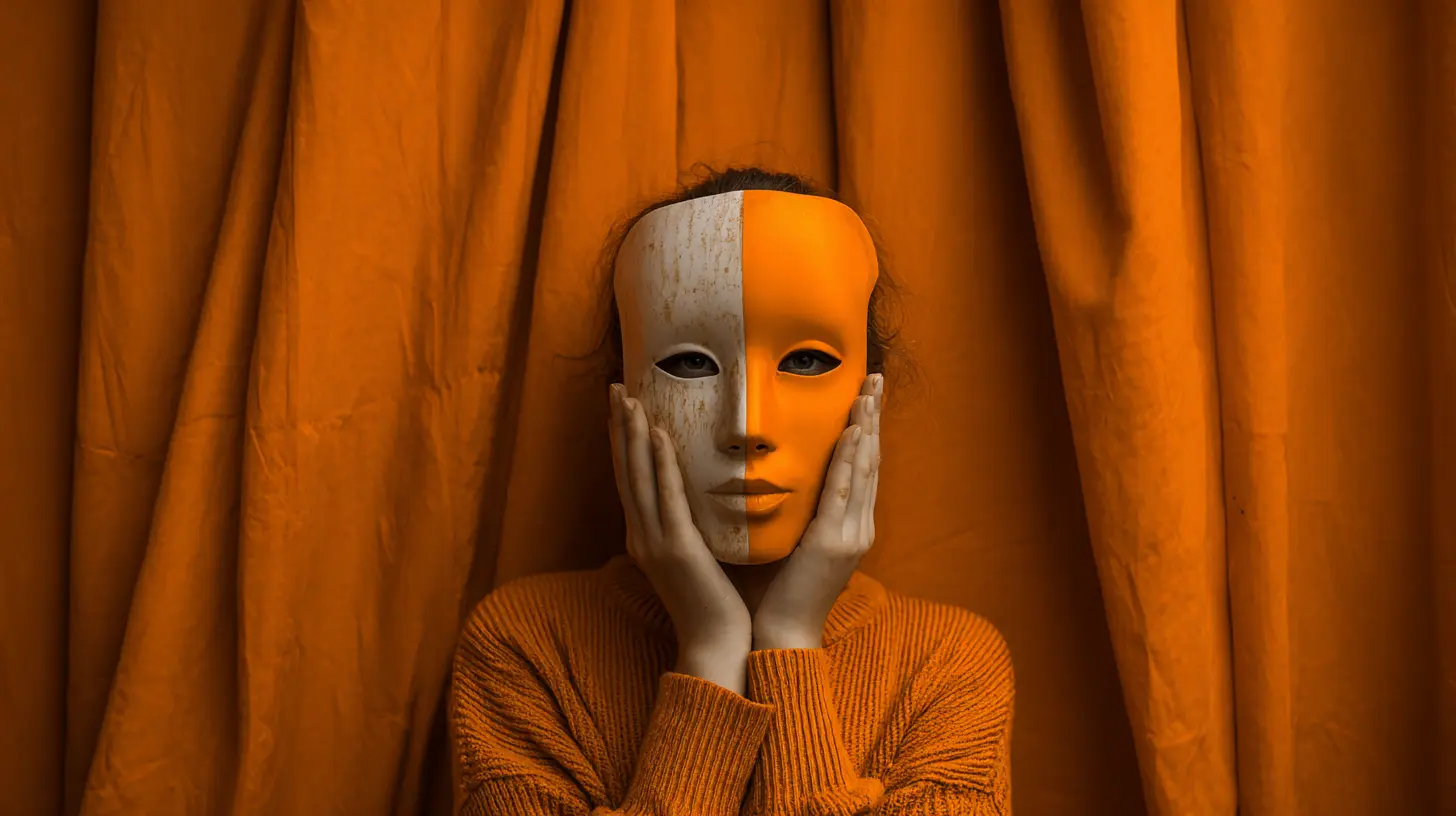
What Is Body Image Anyway?
Before we get into the cultural side of things, let’s clear up the basics. Body image is the way you see your own body and how you think others see it. It’s more than just what’s reflected in a mirror—it’s also how you feel about your body size, shape, weight, and overall appearance.Now, here’s where it gets tricky: body image is incredibly subjective. Two people can look exactly the same but feel completely different about their bodies. And a big part of how we develop those feelings? You guessed it—culture.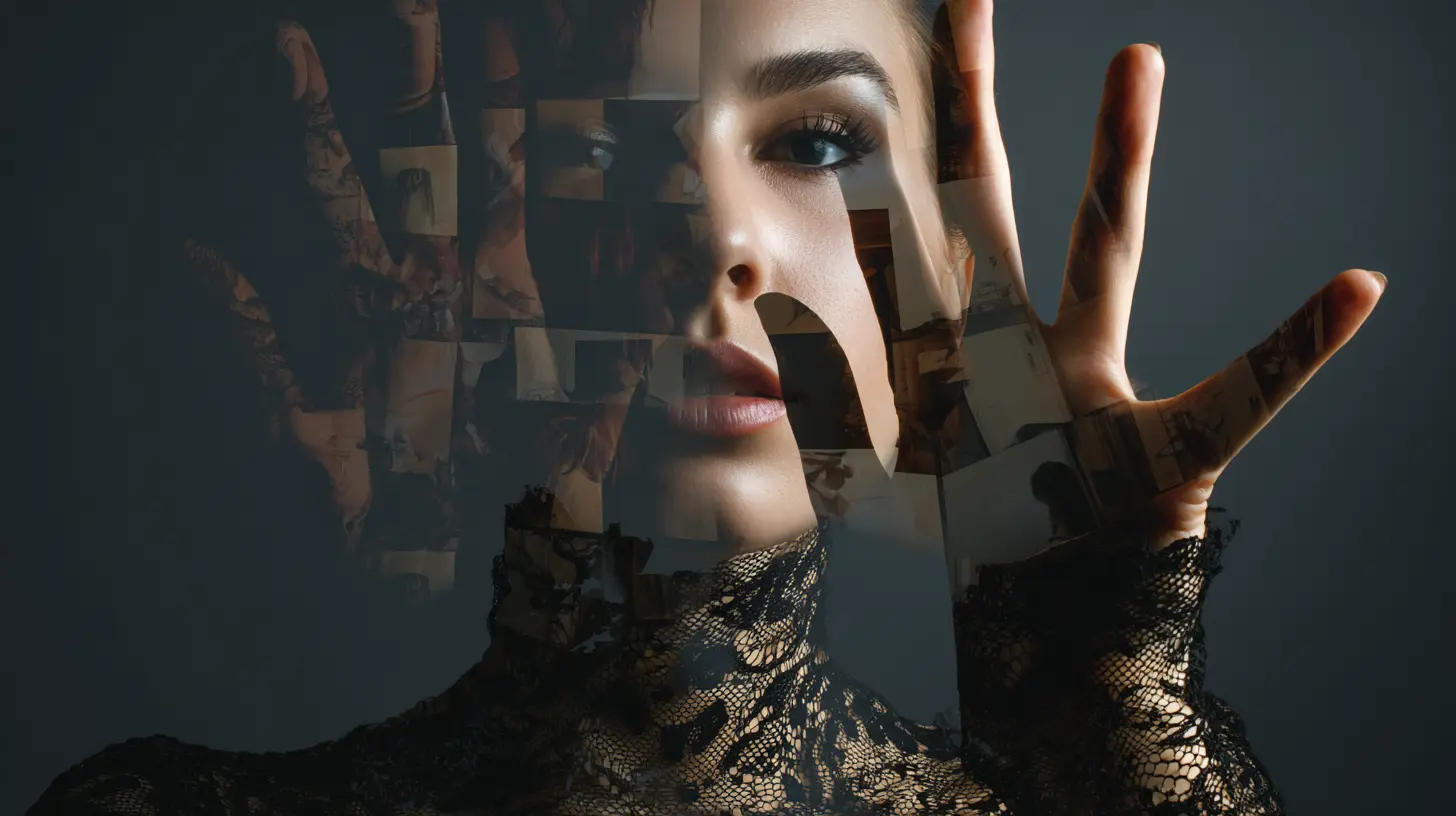
Culture: The Invisible Sculptor of Perception
Culture is like that unseen artist in the background, molding the clay of our beliefs and values without us even noticing. It’s the shared language, traditions, customs, and behaviors that shape the way we live and, yes, how we see ourselves.Think about it. A body considered “ideal” in one country might be seen as undesirable in another. These perceptions don’t happen randomly—they’re passed down through generations, media, family values, and even fairy tales (hello, Cinderella and her tiny glass slipper).
Western Ideals: Thin, Fit, and Filtered
Let’s start with the elephant in the room—Western culture. If you’ve grown up in North America or Western Europe, you’ve probably been bombarded with the message that thin equals beautiful. This ideal is everywhere: from Barbie dolls to Hollywood stars, the message has been drilled into our heads since childhood.And now with social media? It’s like the pressure has been turned up a notch. Influencers, filters, and Photoshop make it hard to tell what’s real and what’s not. The “perfect” body is not just thin anymore—it has to be toned, curvy in the “right” places, free of cellulite, and blemish-free. Basically, a unicorn.
It’s no wonder eating disorders and body dysmorphia are on the rise in these societies.
Eastern Cultures: A Whole Different Ball Game
On the flip side, let’s look at some Eastern cultures where body image expectations can run in a different direction. In many parts of East and Southeast Asia, being pale and slim is celebrated, but in a much softer, demure sense. Historically, lighter skin has been associated with nobility because it indicated that you didn’t work outdoors. So, people use skin-whitening products and avoid tanning like the plague.In countries like South Korea, beauty standards aren’t just about being slim—they also include big eyes, a small face, and flawless skin. And guess what? Cosmetic surgery rates are among the highest in the world there. The cultural pressure can be immense.
But again, this isn’t about judgment—these ideals are deeply rooted in centuries of history and societal values. Culture isn’t just a trend; it’s a legacy.
African and Caribbean Perceptions: Curvier and Confident
Now, let’s shift gears. In many African and Caribbean cultures, being curvy is not only accepted—it’s celebrated. Fuller-bodied women are often seen as symbols of wealth, fertility, and strength. In places like Nigeria and Jamaica, having “meat on your bones” might actually be the compliment of the century.Why the difference? A lot of it ties back to socio-economic factors, historical context, and values around family and health. In some communities, being thin has been associated with poverty or illness, not attractiveness.
But guess what’s happening now? Western ideals are slowly making their way into these cultures too, thanks to globalization and media access. So now, many people are stuck between two worlds—trying to be “curvy” but also “toned.” Exhausting, right?
Latin American Standards: Curves, Color, and Confidence
In Latin America, body image expectations are a blend of indigenous heritage, European influence, and American media. Curves are often prized—think hourglass figures with prominent hips and a smaller waist. There’s a big emphasis on femininity and looking “put together.”But there’s also pressure to fit a certain mold. Skin color, hair texture, and facial features play a big role in who gets labeled as “beautiful” and who doesn’t. Colorism is real, and it complicates the entire conversation about body image in these regions.
Indigenous Wisdom: Embracing Function Over Form
Let’s not forget Indigenous cultures, many of which view the body very differently—often valuing function, resilience, and connection to nature over shallow aesthetics. For example, in some Native American communities, the body isn't separated from the soul. Body image is less about appearance and more about spiritual and communal well-being.Isn't that kind of refreshing?
The Media’s Role: The Global Beauty Machine
Let’s be real—media plays a massive role in how cultural beauty standards are formed and spread. TV shows, music videos, movies, advertisements—you name it. Once upon a time, these messages were localized. But now? One viral TikTok trend can influence teenagers in every corner of the globe.That’s the double-edged sword of globalization. On one hand, it helps people connect. On the other, it creates a kind of “beauty monopoly,” where one standard starts to dominate and erase local, diverse perceptions of beauty.
It’s like trying to fit every flower in a garden into the same shaped vase—eventually, some just won’t fit.
Family and Upbringing: Culture Starts at Home
Culture doesn’t just live in books or social media—it starts right in our living rooms. The way your parents talked about your body, the compliments you got (or didn’t get), even the subtle comments about food—all of that shapes your earliest ideas about body image.In some cultures, relatives might openly comment on weight changes as a form of affection. In others, talking about body image might be taboo. Either way, the family unit acts as the first mirror we ever gaze into.
Religion and Spiritual Beliefs: A Forgotten Influence
You might not think of religion as a player in body image, but it's more relevant than you'd imagine. Many religions have specific guidelines around modesty, dress, or even fasting. These rules can shape not only how people perceive their bodies but how they treat them.Some people find peace and self-acceptance through spiritual beliefs, seeing their bodies as sacred. Others might struggle with guilt or shame if their body doesn’t align with religious standards of purity or discipline.
The Psychological Toll of Clashing Cultures
So, what happens when you're stuck between two or more cultural expectations? Say you live in a Western country with its thin-obsessed media, but your family celebrates curves. Or maybe you're an immigrant trying to balance traditional values with modern ideals. It’s like being pulled in multiple directions—and your self-esteem is caught in the middle.This cultural tug-of-war can lead to anxiety, disordered eating, depression, and a never-ending cycle of self-doubt. And the worst part? You start to believe that your worth is tied to your appearance.
But here’s the truth: it’s not.
Shifting the Narrative: Toward a Healthier Cultural Lens
So, where do we go from here? It all starts with awareness. Once you understand that body image is heavily shaped by culture, you gain the power to question it. Why do I feel this way about my thighs? Who told me that cellulite is bad? Who benefits from my insecurity?The more we challenge these standards, the easier it becomes to carve out our own definitions of beauty.
And let’s not forget the power of representation. When people of all shapes, sizes, colors, and abilities are celebrated, it chips away at the cultural monolith of “one-size-fits-all” beauty.
Final Thoughts: You’re More Than Just a Reflection
Here’s the thing, friend: your body is not a billboard for cultural ideals. It’s your home. It gets you through tough days, holds your laughter, carries your burdens, and shows up for you every single moment. Culture may shape our perceptions, but we have the power to redefine them.So the next time you catch yourself comparing your body to someone else’s, pause and ask—whose standards am I holding myself to? If they don’t serve you, let them go. You deserve that freedom.
all images in this post were generated using AI tools
Category:
Body ImageAuthor:

Eliana Burton
Discussion
rate this article
1 comments
Trinity Rodriguez
Culture shapes our perceptions of beauty profoundly.
June 29, 2026 at 3:48 PM
Eliana Burton
Absolutely, culture plays a crucial role in defining beauty standards and influences how we see ourselves and others. It's fascinating how these perceptions can vary widely across different societies.