The Psychology Behind Miscommunication and How to Avoid It
25 November 2026
Miscommunication is an ever-present challenge in human interaction, often leading to misunderstandings, conflicts, and frustration. This article delves into the psychological factors that contribute to miscommunication, offering insights and strategies to minimize its occurrence. By understanding the complexities of communication, we can improve our interactions and foster more effective relationships.
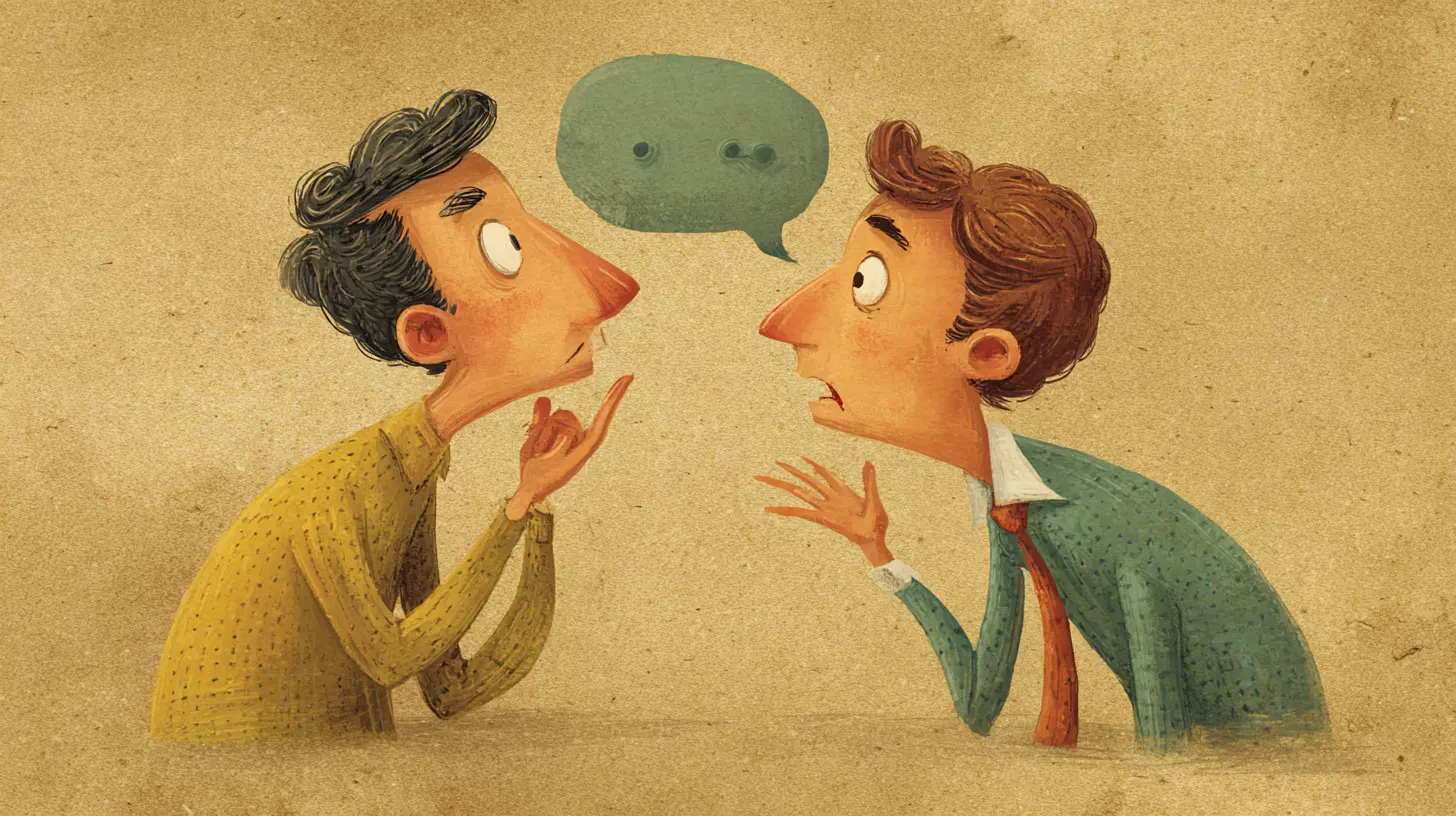
Understanding Miscommunication
Defining Miscommunication
At its core, miscommunication occurs when the intended message is not accurately conveyed or interpreted. This can happen on various levels, from verbal exchanges to non-verbal cues. To illustrate, consider a simple conversation where one person says, "I will take care of that tomorrow." If the listener interprets this as "I will handle it right now," a gap arises that can lead to unmet expectations.The Psychology of Communication
Communication is a multifaceted process influenced by psychological, social, and cultural factors. The sender encodes a message based on their thoughts and feelings, while the receiver decodes it through their own lens of experiences and biases. This process is further complicated by individual differences in perception, emotional state, and context.Common Causes of Miscommunication
1. Ambiguity: Language is often not precise. Words can have multiple meanings, leading to different interpretations. For example, saying "I need that soon" can mean different things depending on urgency and context.2. Cultural Differences: Different cultures have unique communication styles, norms, and values. For instance, some cultures prioritize directness, while others may emphasize indirect communication to maintain harmony.
3. Emotional State: Emotions can cloud judgment and perception. A person who is angry may misinterpret neutral statements as hostile, exacerbating the miscommunication.
4. Lack of Active Listening: Poor listening skills can lead to assumptions. If one party is distracted or not fully engaged, they may miss crucial parts of the conversation.
5. Non-verbal Signals: Body language, facial expressions, and tone of voice all play significant roles in communication. Misreading these signals can lead to misunderstandings, such as interpreting a relaxed posture as disinterest.
Strategies to Avoid Miscommunication
1. Clarify Intentions
To minimize miscommunication, clarify intentions before discussing important matters. For instance, if you're assigning a task to a colleague, specify what "tomorrow" means. Is it the end of the workday or before lunch? Providing clear details helps align expectations.2. Practice Active Listening
Active listening involves fully concentrating on the speaker, understanding their message, responding thoughtfully, and remembering what was said. This practice not only reinforces understanding but also conveys respect. Techniques include:- Paraphrasing: Restate what you heard to confirm understanding. For example, "So you are saying that you need this completed by noon tomorrow, correct?"
- Asking Questions: Inquire for clarification when something is unclear. Questions like "Can you elaborate on that?" or "What do you mean by...?" can bridge gaps in understanding.
3. Recognize Non-verbal Cues
Be aware of body language and other non-verbal signals. If someone appears tense while discussing a topic, it might indicate discomfort or disagreement. Acknowledging these cues can provide context to verbal messages and prompt further discussion.4. Adapt Communication Style
Tailoring your communication style to suit your audience can reduce misunderstandings. For example, when communicating with someone from a high-context culture, it might be beneficial to incorporate more background information and context in your messages.5. Foster an Open Environment
Encouraging an environment where individuals feel safe to express their thoughts and concerns can significantly reduce miscommunication. Regular check-ins and feedback sessions can help address misunderstandings before they escalate.6. Use Technology Wisely
In today's digital age, misunderstandings often arise from text-based communication. Tone can be difficult to convey through email or messaging apps. To counter this, consider the following:- Be Clear and Concise: Use straightforward language to avoid ambiguity.
- Emojis and GIFs: In informal contexts, these can help convey tone and emotion. However, use them judiciously, as they can also be misinterpreted.
7. Reflect on Past Miscommunications
Take time to analyze instances of miscommunication in your personal or professional life. What went wrong? What could you have done differently? Reflecting on these experiences can provide insights and strategies for future interactions.
Real-World Examples of Miscommunication
Workplace Scenario
Imagine a manager sending a brief email instructing a team member to "follow up with the client." The employee interprets this as a suggestion rather than a directive and forgets to do it, resulting in a missed deadline. A clearer message, such as "Please follow up with the client by the end of the day," could have prevented this miscommunication.Interpersonal Relationships
Consider a couple discussing their weekend plans. One partner says, "I thought we were going to the movies." The other replies, "I don't remember that." The first partner feels hurt, believing the second is dismissive. If they had confirmed their plans before assuming, the disagreement could have been avoided.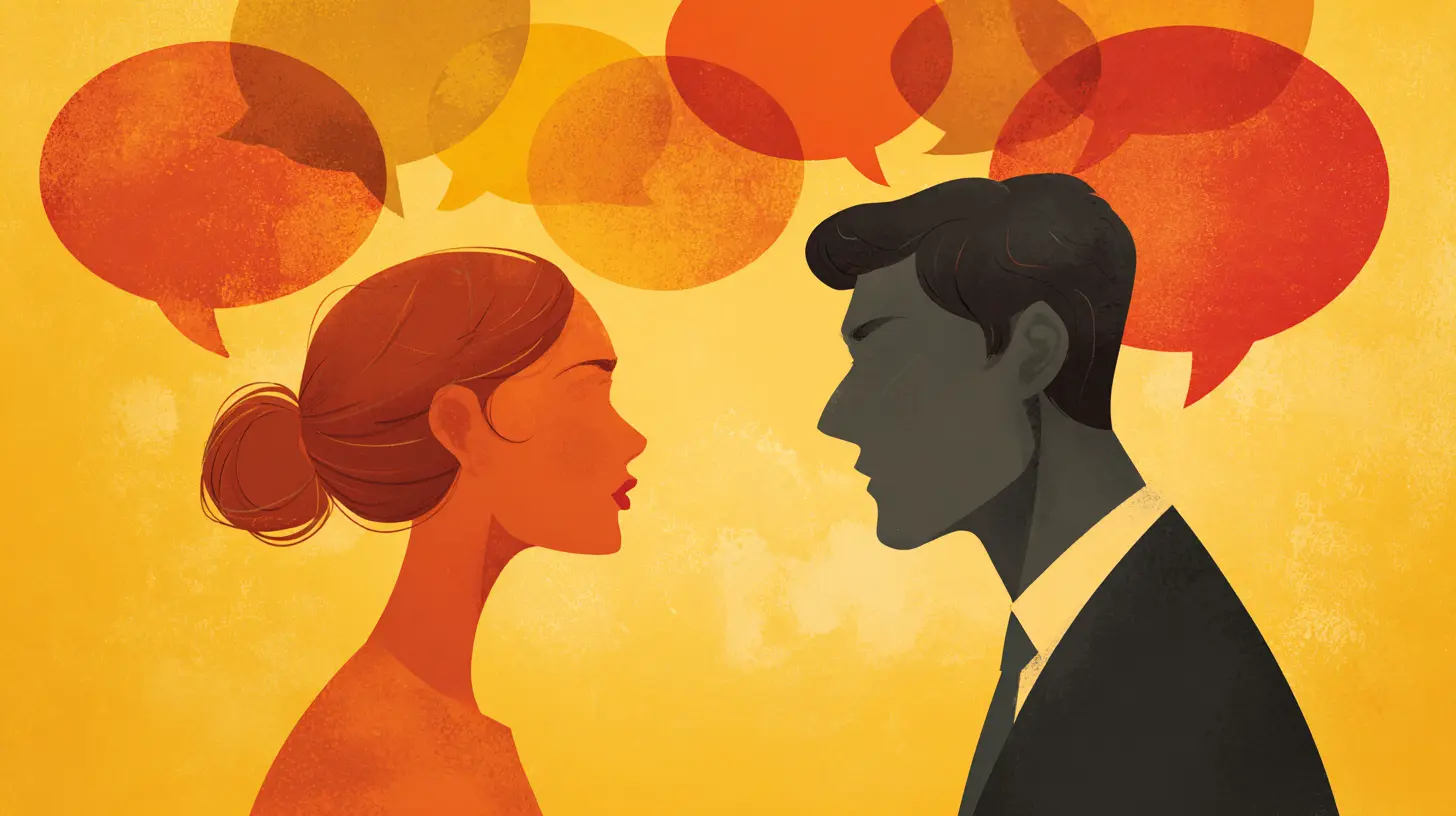
Misconceptions About Communication
"Words Alone Matter"
One common misconception is that the words spoken are the only component of communication. However, non-verbal cues and context are equally vital. Research shows that a significant portion of communication is non-verbal. Thus, focusing solely on verbal exchanges can lead to misunderstandings."More Communication Equals Better Understanding"
While communication is essential, more communication does not always equate to better understanding. Sometimes, excessive information can overwhelm the recipient. Quality, not quantity, matters. Ensuring that messages are clear and purposeful is more effective than simply increasing the volume of communication.Best Practices for Effective Communication
1. Be Direct Yet Respectful
Clarity should not come at the expense of respect. Use direct language while being mindful of the feelings and perspectives of others. For example, instead of saying "You didn't do this right," consider "I noticed some aspects that we can improve on together."2. Encourage Feedback
Creating a culture of feedback can help identify areas of confusion or miscommunication. Encourage others to share their interpretations and feelings about the communication process. This can lead to more productive discussions and prevent future misunderstandings.3. Use Established Frameworks
Consider employing communication models or frameworks that can guide discussions. For instance, the "Sender-Message-Receiver" model emphasizes the need for clarity at each stage of communication. This structure can help ensure that messages are delivered effectively.4. Be Patient
Miscommunication often leads to frustration. Practicing patience when misunderstandings occur can help de-escalate tensions. Take a moment to breathe and approach the situation with a calm mindset.5. Continuous Improvement
Communication is a skill that can always be refined. Engage in workshops or training sessions focused on effective communication strategies. The more you practice, the better you will become at conveying and interpreting messages.
Conclusion
Miscommunication is an intricate issue shaped by various psychological, social, and contextual factors. By understanding these elements and implementing practical strategies, individuals can significantly reduce the likelihood of misunderstandings. Effective communication is not merely about exchanging words; it is about fostering understanding and connection.The journey toward better communication is ongoing, and the effort put into improving these skills can lead to richer, more meaningful interactions in both personal and professional settings.
all images in this post were generated using AI tools
Category:
Interpersonal CommunicationAuthor:

Eliana Burton