The Mental Health Benefits of Volunteering and Giving Back
20 August 2026
Let’s face it—life can be overwhelming. Between work, bills, relationships, and just trying to keep it all together, our mental health can take a hit. But what if one of the most powerful remedies wasn’t in a prescription bottle or a therapist’s office? What if it was as simple as helping someone else?
Yep, that’s right. Volunteering and giving back aren't just good for the people you're helping—they're good for you, too. And not just in a feel-good, warm-fuzzy kind of way. There’s real psychological science behind it. Volunteering can boost your mood, reduce stress, fight depression, and even extend your life. Let’s dive into why giving back is basically like a gym membership for your mind.
Volunteering & Mental Health: What’s the Connection?
So, how does helping someone else help you?It all comes down to connection, purpose, and perspective. When you volunteer—whether that’s by serving meals at a soup kitchen, tutoring local students, or walking dogs at the animal shelter—you’re stepping outside of your own problems. You’re making a positive impact. And in that act of giving, something amazing happens: your brain starts firing up all the good stuff.
Chemicals in Your Brain Get a Boost
When you help others, your brain releases feel-good chemicals like dopamine, serotonin, and oxytocin. It’s kind of like your brain’s way of saying, “Hey, that was awesome—let’s do it again!”This natural chemical boost is linked to something researchers call the “helper’s high.” It’s that light, euphoric feeling you get when you’ve done something kind or selfless. And unlike the crash you get from junk food or social media, this high actually does your mind some good.
Reduced Stress = A Calmer Mind
We've all been there—your to-do list is a mile long, and stress starts climbing to an all-time high. Volunteering offers an escape. Not the kind where you're binge-watching Netflix to avoid your problems, but a productive escape.By focusing on others, your brain takes a break from worrying about your own drama. Plus, studies show that people who volunteer regularly have lower cortisol levels (that’s the stress hormone), which translates into reduced anxiety and a calmer you.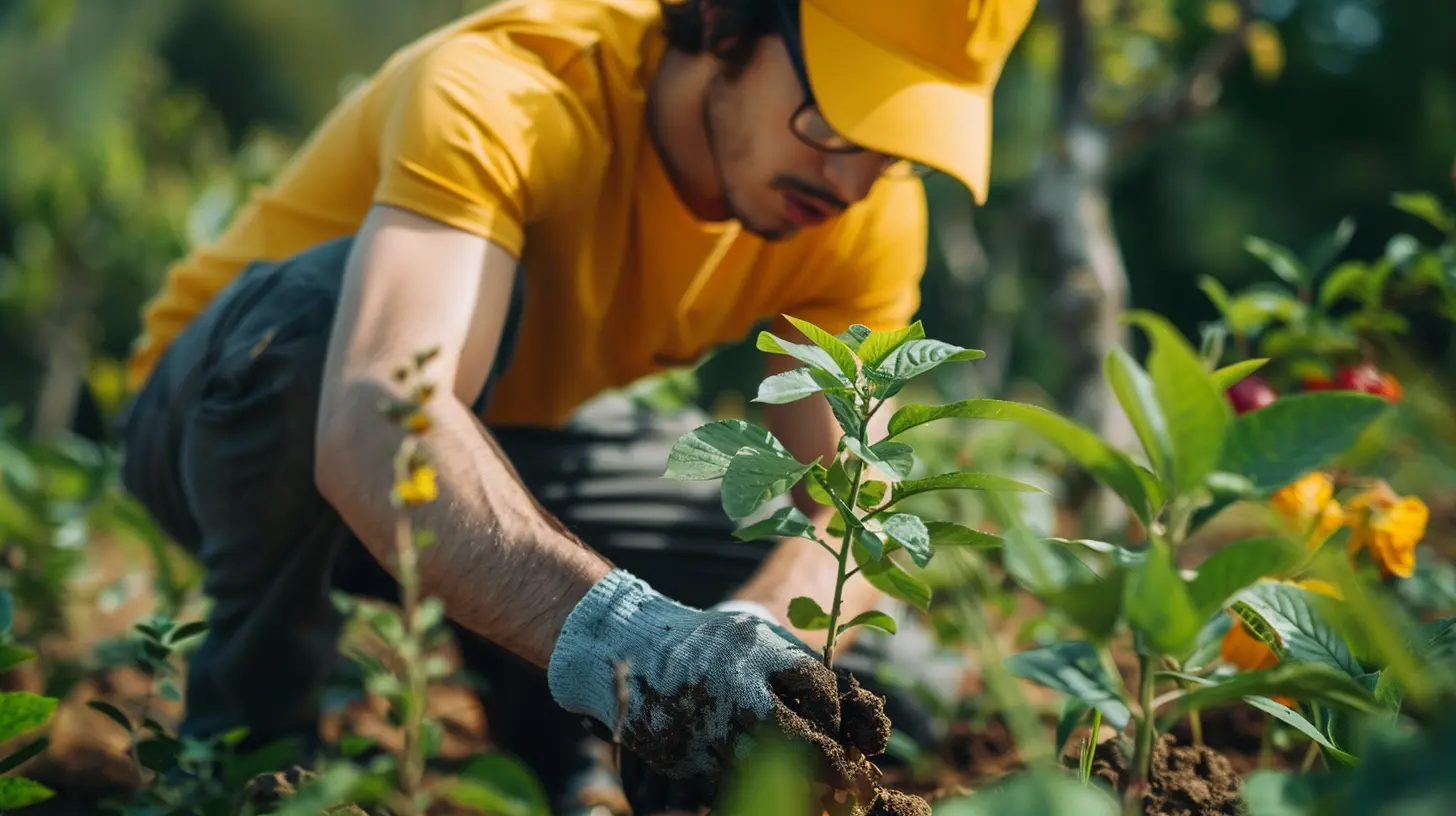
Giving Back Helps With Depression and Anxiety
If you've been feeling down or anxious, volunteering might be one of the simplest first steps toward healing.It Brings Structure to Your Day
Depression often thrives in unstructured time. You know those days when you don’t have to do anything? They sound great until you're stuck in bed at 2 p.m., still in pajamas, and feeling worse than when you woke up.Volunteering creates routine. It gets you out of the house, gives you a reason to get dressed, and places you in settings where social interaction happens naturally. That in itself can be a game-changer when you're struggling with mood disorders.
It Combats Loneliness
Let’s not sugarcoat it—loneliness is an epidemic. And it doesn’t just feel bad; it's terrible for your mental and physical health. Chronic loneliness is linked to higher risks of heart disease, dementia, and depression.When you volunteer, especially in community settings, you’re surrounded by people. You forge connections, even if it’s just light chit-chat with other volunteers or someone you're helping. You begin to feel seen and heard—and isn’t that what we all want at the end of the day?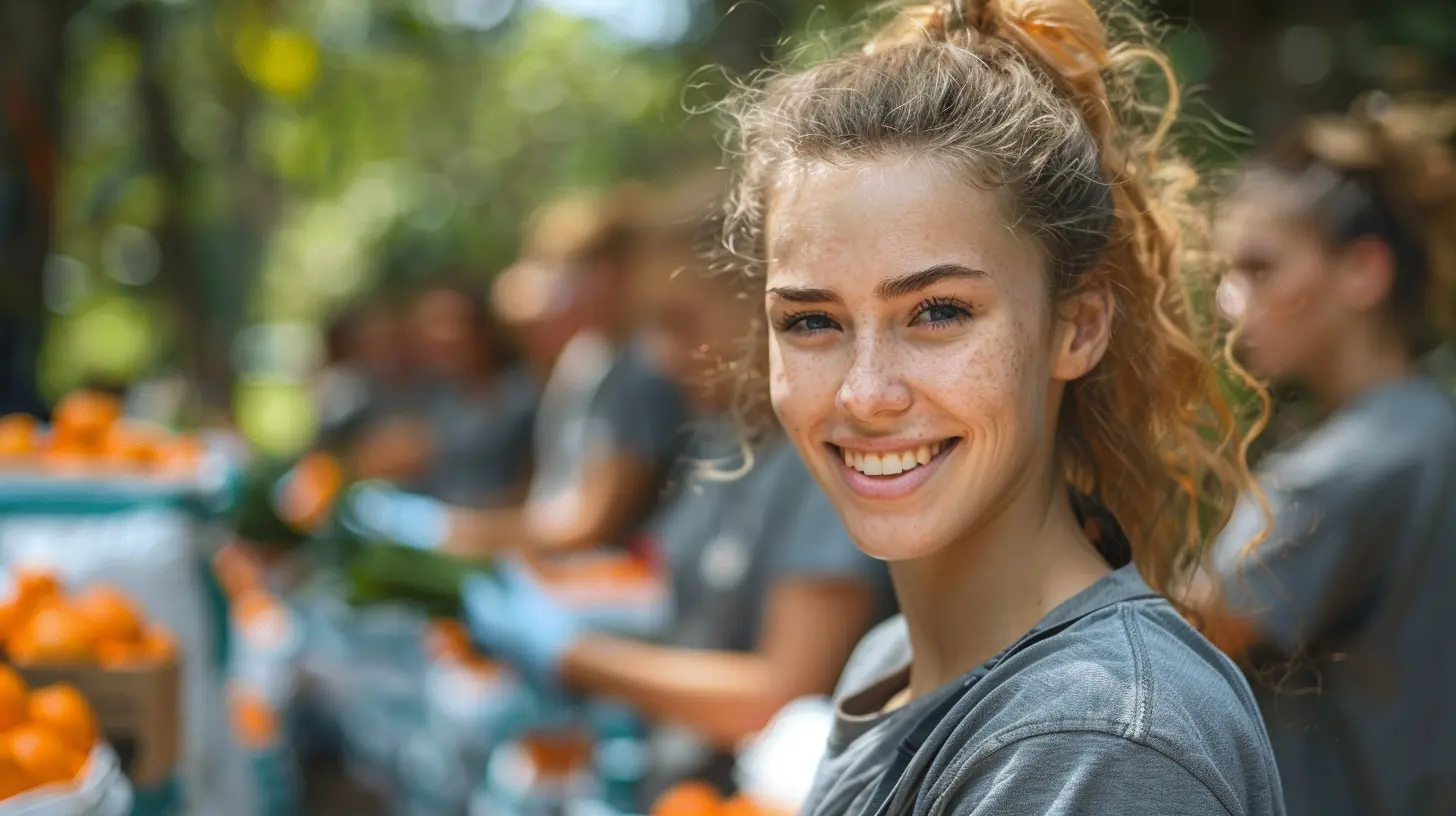
Building a Sense of Purpose and Self-Worth
Ever feel stuck wondering, “What’s the point of all this?” That’s a lack of purpose talking. And it’s one of the silent killers of joy.Volunteering gives you purpose in a very tangible way. You're not just going through the motions; you're making a difference. That sense of contributing to something bigger than yourself can reignite a fire you didn’t even realize had gone out.
Confidence Through Competence
Here's the thing: when you successfully help someone, even in a small way, you feel competent. And competence builds confidence. Whether you're teaching someone to read, organizing a food drive, or simply being a listening ear, you start realizing your actions matter.That realization? It’s rocket fuel for your self-esteem.
Volunteering: A Form of Mindfulness in Disguise
Mindfulness is all about being present in the moment—and volunteering can serve as a hidden doorway into that space.Think about it. When you’re fully engaged in helping someone else, you’re not checking your phone obsessively, worrying about what happened yesterday, or stressing about tomorrow. You’re rooted in now. That’s mindfulness at its core.
While you may not be sitting cross-legged on a yoga mat chanting “om,” your brain is still reaping the same benefits.
Creating New Social Networks (Without the Awkward Small Talk)
Let’s be honest: making new friends as an adult is weirdly hard. You can’t exactly walk up to someone in the grocery store and say, “Wanna be friends?” without getting some looks.Enter volunteering. It’s one of the most natural ways to meet new people. You’re already working toward a common goal, which makes small talk way less painful and the connection more authentic.
And the mental health impact of friendships? Huge. Having supportive social connections has been shown to reduce the risk of depression, promote healthier coping strategies, and increase life satisfaction.
The Long-Term Mental Health Benefits
Doing good feels good in the moment, sure. But what about the long game?Protected From Cognitive Decline
Here’s where it gets really interesting: studies suggest that volunteering regularly can help protect your brain as you age. People who volunteer often show better memory retention, improved cognitive function, and lower rates of Alzheimer’s.It’s like brain yoga. Keeps things strong and flexible.
Increased Longevity
Yep—you might literally live longer if you volunteer. People who give back often have lower risks of high blood pressure, lower inflammation markers, and reduced mortality risk. Giving back doesn't just make your life feel longer because it's more fulfilling—it might also be longer.It's Not Just "Doing Good" – It's a Two-Way Street
Sometimes, people feel guilty talking about how volunteering helps them. But let’s be real: giving back isn't just about being selfless. It’s a win-win.You’re making someone’s day (or life) better. And in the process, you’re also nurturing your own emotional and mental health. It’s not selfish—it’s smart. Just like putting your oxygen mask on first before helping others, improving your mental health gives you more energy and capacity to keep giving.
Not Sure Where to Start? Here Are Some Ideas
The beautiful (and slightly overwhelming) thing is there are so many ways to give back. Here are a few ideas to get the ball rolling:- Local shelters or food banks: Great if you enjoy face-to-face interaction.
- Animal rescues: Perfect for animal lovers.
- Online volunteering: Offer your skills (like writing, web design, or tutoring) remotely.
- Community gardens: Good for people who love nature and getting their hands dirty.
- Phone check-ins for seniors: Low-pressure and high-impact way to connect.
Start small. Even an hour a week can make a big difference—both in the lives of others and in your own mental space.
Final Thoughts
At the end of the day, there's something deeply human about helping others. It reminds us that we’re part of a bigger picture. It’s easy to get caught up in our own chaos, but when we pause and focus on someone else, we find clarity, connection, and compassion—toward others and ourselves.Volunteering and giving back aren’t just acts of kindness—they’re acts of healing. For our communities, yes, but also for our minds, our hearts, and our sense of self.
So go ahead—say yes to that volunteer opportunity that’s been on your radar. Not just because the world needs you (which it does), but because you need you, too.
all images in this post were generated using AI tools
Category:
Mental Health AwarenessAuthor:

Eliana Burton
Discussion
rate this article
1 comments
Ivan Conrad
Volunteering boosts well-being and fosters meaningful connections with others.
August 21, 2026 at 4:14 AM