The Intersection of Race and Body Image: A Complex Relationship
9 July 2026
Body image—it's something we all think about at some point. Whether it's the way we see ourselves in the mirror or how we think others perceive us, it plays a huge role in our self-esteem and confidence. But what happens when race enters the equation? The relationship between race and body image is layered, influenced by cultural standards, societal pressures, and historical narratives.
Many people assume body image issues stem solely from media portrayals of beauty, but the truth is much deeper—especially for people of color. Let’s dive into this complex intersection and unpack how race shapes the way we view our bodies.
Understanding Body Image
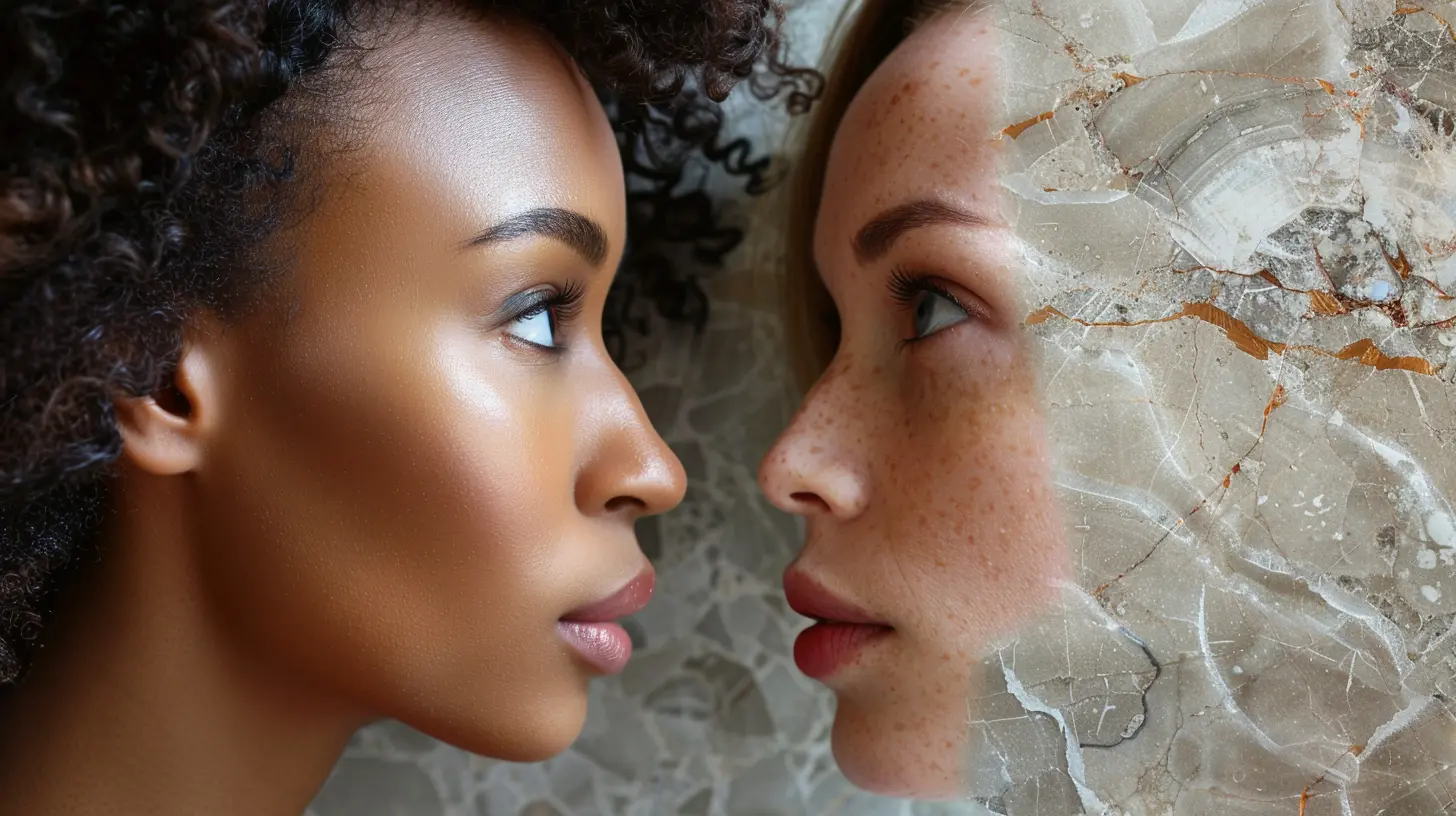
Before we dive into the racial aspect, let’s first define body image. At its core, body image refers to how we perceive, feel about, and think of our physical appearance. It’s shaped by personal experiences, societal expectations, media, and even our upbringing.A positive body image means feeling confident and comfortable in your own skin, while a negative one can lead to insecurities, self-doubt, and even mental health struggles like anxiety or eating disorders. But here’s the catch—body image isn’t just personal. It’s deeply influenced by external factors, including racial identity.
How Race Influences Body Image
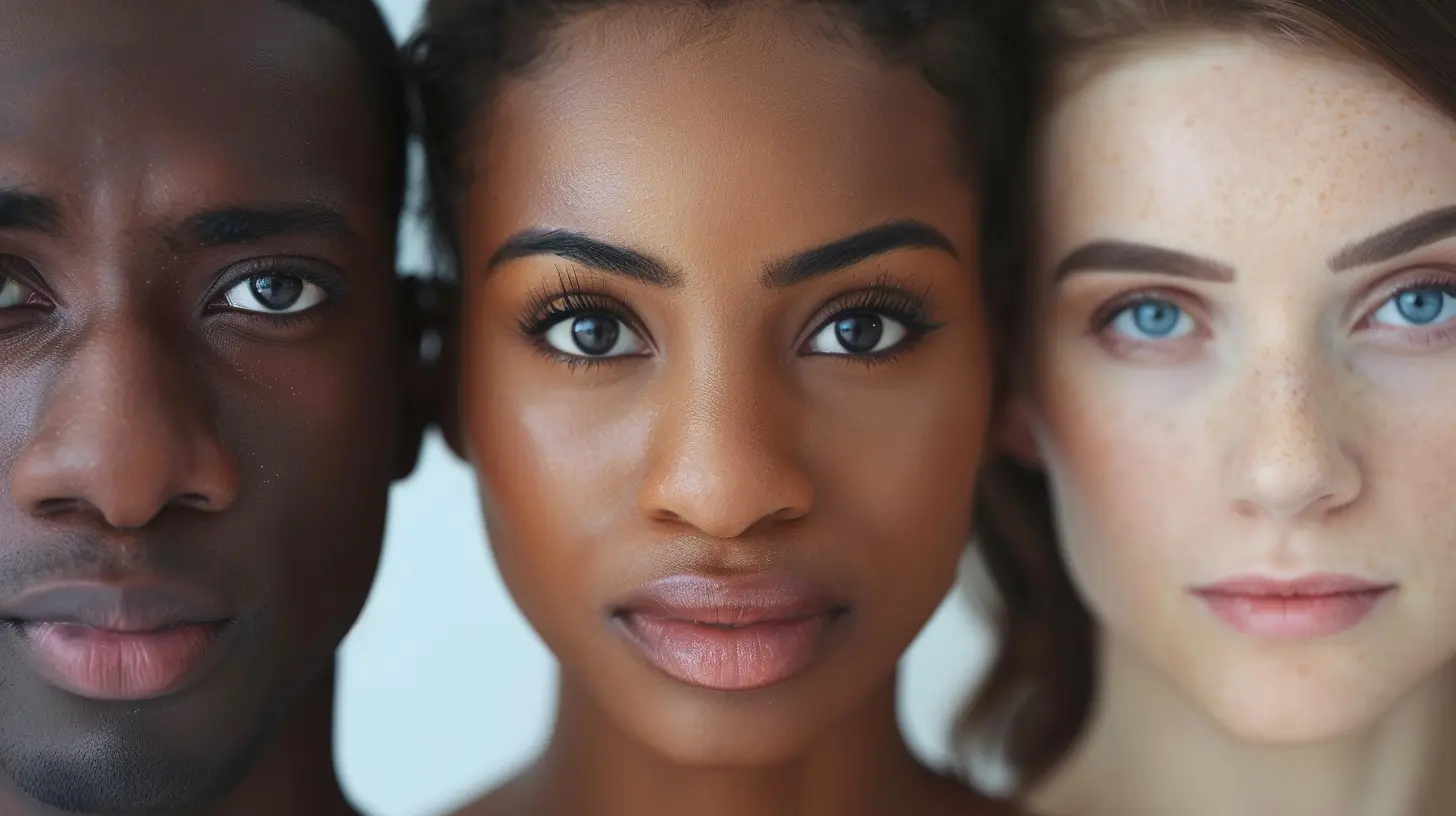
We can’t talk about body image without addressing the elephant in the room: Eurocentric beauty standards. For decades, mainstream media has promoted a very particular image of beauty—thin, fair-skinned, straight hair, and delicate features. This standard, which has been deeply ingrained in Western culture, puts pressure on people of color to conform, often making them feel like they don’t measure up.1. Eurocentric Beauty Standards and Their Impact
Western beauty ideals tend to glorify whiteness. This means lighter skin, straight hair, and thin bodies are often portrayed as the "gold standard" of beauty. For people of color, this can feel like an unattainable or unrealistic expectation.Think about it—how often have you seen darker-skinned individuals struggle with feeling "too dark"? Or heard someone say their natural hair is "unprofessional" or "messy"? These messages aren’t just personal opinions; they’re deeply rooted in history. Colonialism, media representation, and systemic racism have all played a role in pushing a singular beauty ideal that excludes many people.
2. Cultural Differences in Beauty Standards
While Eurocentric beauty norms dominate Western media, different cultures have their own ideals. Body image perceptions vary significantly across racial and ethnic groups:- Black Communities: Many Black cultures celebrate curvier bodies, which contrasts with the Western preference for thinness. But this doesn’t mean Black individuals are immune to body image issues. Colorism—the preference for lighter skin within the same racial group—can create a divide, making people with darker skin feel less valued.
- Latinx Communities: The Latinx community embraces curvaceous figures, but there's also a strong emphasis on maintaining a certain level of "sex appeal." This creates pressure, especially for women, to embody an "hourglass" figure.
- Asian Communities: In many Asian cultures, being slender is often associated with beauty, success, and even social status. This can lead to extreme dieting, body shame, and mental health struggles, particularly among women.
- Indigenous Communities: Indigenous beauty standards are often tied to a connection with nature, tradition, and heritage. However, Westernization has imposed thinner body ideals, leading to increased body dissatisfaction among Indigenous individuals.
3. Colorism and Its Role in Body Image
Colorism—discrimination based on skin tone within the same racial or ethnic group—has deep psychological effects on body image. Lighter skin is often associated with privilege, desirability, and higher social status, while darker skin is frequently marginalized.This reality leads many individuals, especially women of color, to seek skin-lightening treatments or avoid the sun to maintain a "preferred" complexion. The internalization of these biases can make self-acceptance an uphill struggle.
4. Hair and Body Image in Racial Identity
Hair plays a major role in body image, especially for people of color. Natural hair discrimination is a real issue, particularly in Black communities. Many Black women, for instance, feel pressured to chemically straighten their hair or wear wigs just to fit into professional or societal expectations.For Asian and Latinx individuals, straight hair is often seen as "ideal," while curly or coarser hair textures can be viewed as less desirable. These biases make it harder for people to embrace their natural beauty without criticism.
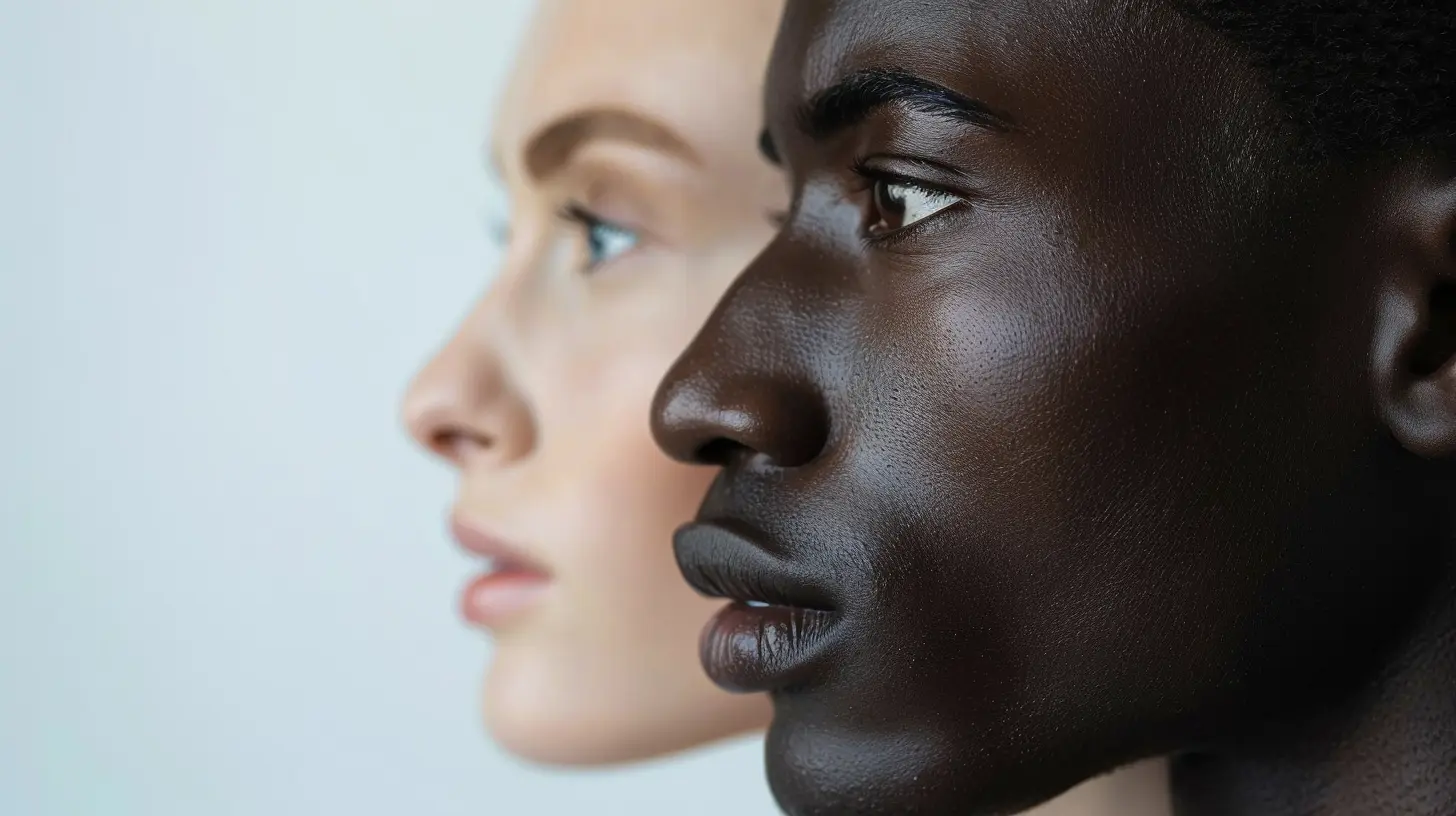
The Mental Health Effects of Racialized Beauty Standards
When race and body image collide, the psychological effects can be serious. Studies have shown that people of color, particularly women, experience higher levels of body dissatisfaction, eating disorders, and depression as they navigate these unrealistic beauty expectations.The pressure to conform leads to:
- Eating Disorders: Research suggests that disordered eating is rising among women of color, yet they remain underrepresented in conversations about eating disorders.
- Low Self-Esteem: Constantly feeling like your body or skin tone isn’t "right" can take a toll on confidence.
- Anxiety and Depression: The stress of trying to fit into societal beauty norms can lead to significant mental health struggles.
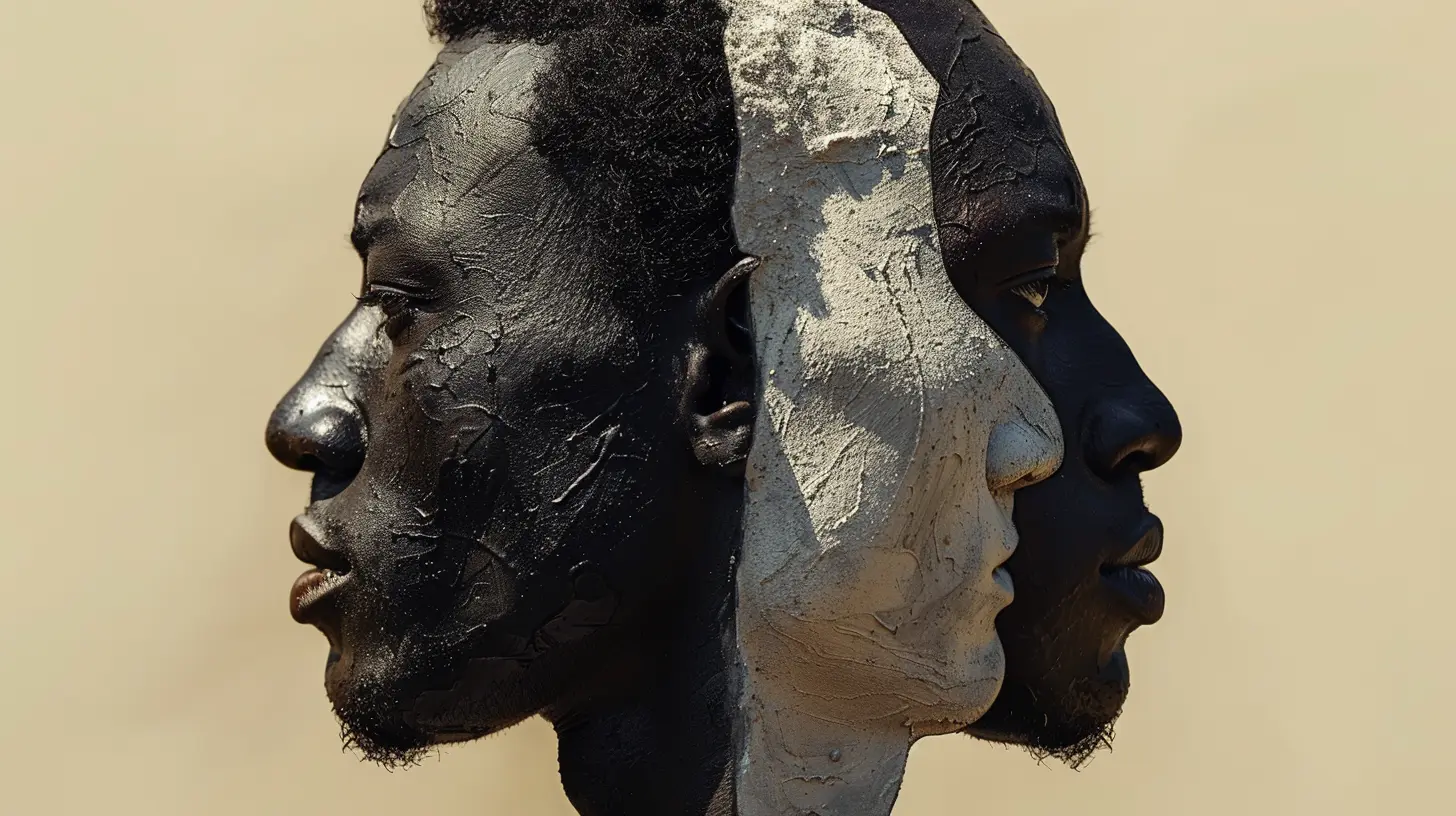
Representation Matters: Changing the Narrative
So, what’s the solution? Representation.When media and society begin to reflect diverse beauty standards, it helps shift the narrative. Seeing more body diversity in movies, fashion, and advertising validates identities and fosters self-acceptance.
Recent Positive Changes:
- More plus-size models and people of color in fashion campaigns.
- Increased representation of natural hair in mainstream media.
- Greater awareness of colorism and its harmful effects.
Steps Toward a Healthier Body Image
Whether you're struggling with body image or just want to encourage a more inclusive beauty standard, here are some ways to make a difference:1. Challenge Beauty Myths: Recognize that beauty isn’t one-size-fits-all.
2. Diversify Your Media Intake: Follow influencers, artists, and brands that embrace body diversity.
3. Practice Self-Love: Appreciate your unique features instead of comparing yourself to unrealistic standards.
4. Speak Out Against Discrimination: If you notice colorism or body shaming, say something. Support movements that challenge these biases.
5. Encourage Cultural Pride: Embrace your racial identity and heritage. Celebrate what makes you unique.
Final Thoughts
The intersection of race and body image is complex, but it’s not an impossible challenge. By recognizing the impact of cultural expectations and media portrayals, we can work toward a more inclusive definition of beauty—one that embraces all races, skin tones, body types, and hair textures.At the end of the day, beauty is subjective. Breaking free from oppressive beauty norms isn’t just about self-acceptance—it’s about reshaping society so that everyone feels seen, valued, and represented.
all images in this post were generated using AI tools
Category:
Body ImageAuthor:
Eliana Burton
Discussion
rate this article
1 comments
Wilder McKibben
This article sheds light on an important but often overlooked topic. Understanding how race influences body image can foster greater empathy and awareness in our society.
July 15, 2026 at 3:33 AM