The Importance of Self-Care for Mental Health
22 May 2026
Mental health is just as important as physical health, yet many people neglect it in their daily lives. In today’s fast-paced world, stress, anxiety, and burnout have become all too common. That’s why self-care isn’t just a luxury—it’s a necessity.
Taking time to care for yourself can improve your mental well-being, boost your mood, and help you handle life’s challenges with resilience. But what exactly is self-care, and why does it play such a crucial role in mental health? Let’s dive in.

What is Self-Care?
Self-care is any intentional activity that promotes your physical, emotional, or mental well-being. It’s about making choices that prioritize your health and happiness.Some people think self-care means spa days and bubble baths—and while those can be part of it, self-care is so much more. It can be as simple as getting enough sleep, eating nutritious meals, setting boundaries, or taking a break when you need one.
At its core, self-care is about treating yourself with kindness and respect—just as you would care for a loved one.

Why Self-Care Matters for Mental Health
Mental health isn’t just about avoiding illness; it’s about thriving in life. Here’s why self-care is essential for your mental well-being:1. Reduces Stress and Anxiety
Life is stressful—there’s no way around it. But without proper self-care, stress can build up and lead to anxiety, burnout, or even depression.Taking time to rest, relax, and recharge helps keep stress levels in check. Whether it’s practicing deep breathing, spending time in nature, or engaging in a hobby, self-care helps you manage stress before it overwhelms you.
2. Improves Emotional Well-Being
Have you ever noticed how much better you feel after a good night’s sleep or a workout? That’s because self-care directly affects your emotions.When you prioritize activities that make you happy—like listening to music, journaling, or connecting with loved ones—you cultivate a positive mindset and improve your overall emotional well-being.
3. Strengthens Resilience
Life throws curveballs, and dealing with setbacks can be tough. But when you practice self-care, you build resilience—the ability to bounce back from life’s challenges.Think of self-care as an emotional safety net. The stronger your self-care routine, the better equipped you’ll be to handle difficulties with grace and confidence.
4. Enhances Self-Esteem
Taking care of yourself sends a powerful message: You are worthy of love and attention.When you prioritize self-care, you reinforce a sense of self-worth. Simple acts like dressing well, engaging in positive self-talk, or pursuing personal growth can significantly boost your confidence and self-esteem.
5. Improves Physical Health
The mind and body are deeply connected. Neglecting self-care can lead to physical issues like fatigue, headaches, and even weakened immunity.By maintaining a healthy routine—eating nutritious foods, staying hydrated, exercising, and sleeping well—you not only enhance your physical health but also strengthen your mental well-being.
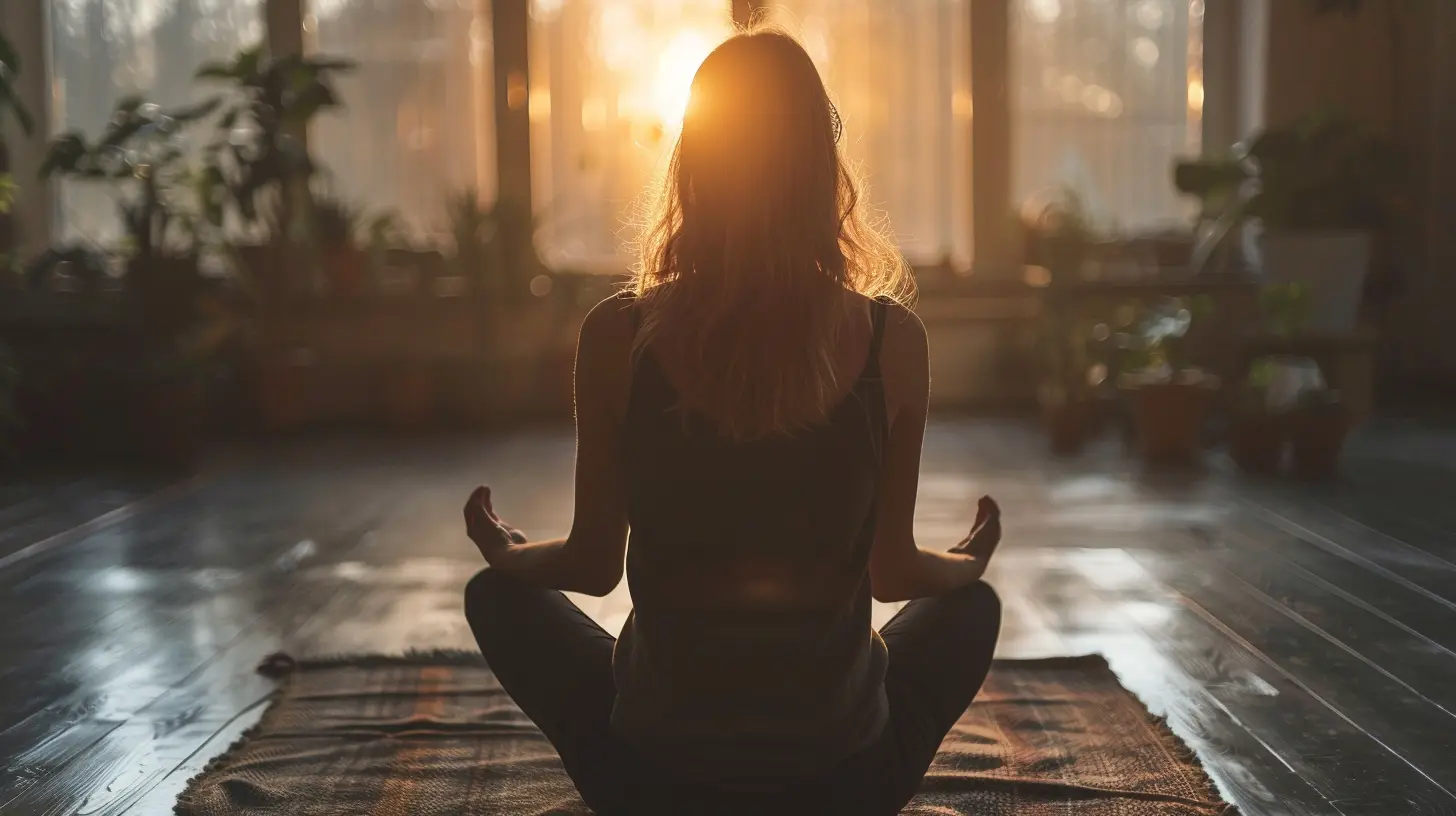
Types of Self-Care
Self-care comes in many forms, and what works for one person might not work for another. However, here are some key areas of self-care that contribute to mental health:1. Emotional Self-Care
- Engaging in hobbies- Expressing emotions through journaling
- Practicing gratitude
- Seeking support from loved ones
2. Physical Self-Care
- Eating a balanced diet- Getting enough rest
- Exercising regularly
- Practicing relaxation techniques like deep breathing
3. Mental Self-Care
- Reading or learning something new- Engaging in creative activities
- Limiting screen time and social media
- Practicing mindfulness and meditation
4. Social Self-Care
- Spending time with family and friends- Engaging in meaningful conversations
- Setting boundaries in relationships
- Joining a support group or community
5. Spiritual Self-Care
- Practicing meditation or prayer- Reflecting on personal values and beliefs
- Spending time in nature
- Engaging in acts of kindness

How to Incorporate Self-Care into Your Daily Life
Making self-care a habit doesn’t have to be complicated. Here are some simple ways to incorporate it into your daily routine:1. Set Aside "Me Time"
Even if it's just 10-15 minutes a day, schedule time for yourself. Whether it's reading, meditating, or simply unwinding, this time is essential.2. Listen to Your Body
Pay attention to signs of fatigue or stress. If you're tired, rest. If you're overwhelmed, take a break. Your body knows what it needs—listen to it.3. Learn to Say No
Overcommitting can lead to burnout. Setting boundaries and saying no when necessary is an important form of self-care.4. Create a Self-Care Routine
Develop a routine that includes activities that refresh and restore you. It could be a morning walk, journaling before bed, or a weekend self-care ritual.5. Seek Support When Needed
You don’t have to do everything alone. Talking to a trusted friend, family member, or therapist can make a world of difference.Overcoming Guilt Associated with Self-Care
Many people feel guilty about taking time for themselves, believing they should always be productive or putting others first. But here’s the truth: self-care isn’t selfish.Think of it like this—if your phone battery is dead, you can’t make calls, send texts, or use apps. The same goes for you. If you don’t recharge, you won’t have the energy to show up for yourself or others.
Taking care of yourself enables you to be the best version of yourself—for your family, friends, work, and most importantly, for you.
Final Thoughts
Self-care is not a luxury—it’s an essential part of maintaining mental health. By creating a self-care routine, setting boundaries, and prioritizing activities that nourish your mind and body, you’ll not only improve your well-being but also build resilience against life’s challenges.So, start small. Choose one self-care activity today and commit to making it part of your routine. Your mind and body will thank you.
all images in this post were generated using AI tools
Category:
Mental Health AwarenessAuthor:

Eliana Burton
Discussion
rate this article
1 comments
Arwen Rios
Self-care often feels like a luxury, but it's essential for maintaining mental health. Taking time to recharge isn't selfish; it's necessary. We can't pour from an empty cup, so let's prioritize our own well-being.
May 22, 2026 at 4:53 PM
Eliana Burton
Absolutely agree! Self-care is crucial, not just for ourselves but for those around us too. Prioritizing our well-being is a must.